
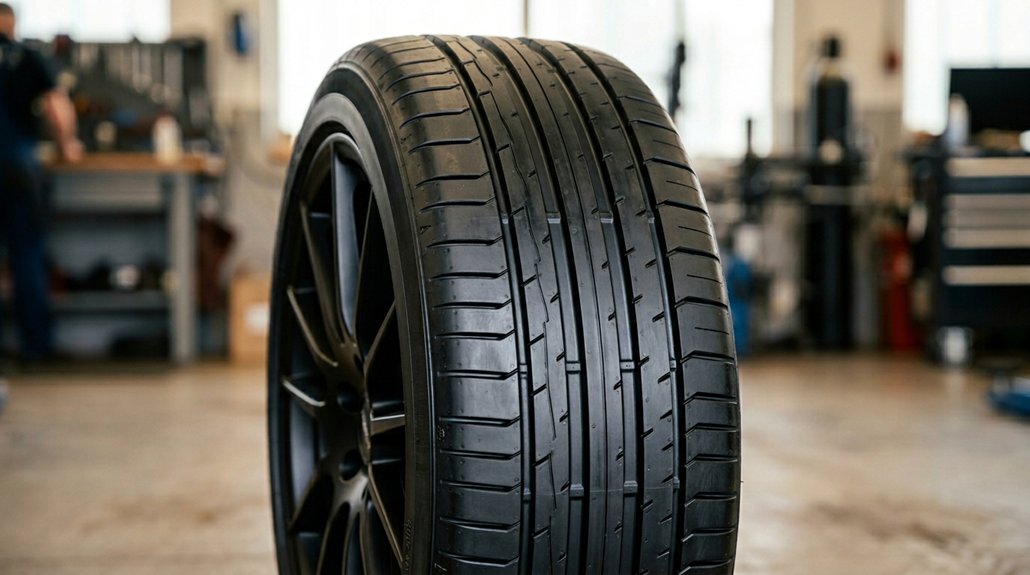
I’ve often wondered whether the assumption that all new tires arrive with identical tread depth actually holds up under scrutiny, and what I’ve found is that it doesn’t. Passenger tires typically measure 10/32 inch, touring models may start at 8/32, and high-performance variants can land anywhere from 9/32 upward. This variance matters more than most buyers realize, because a tire with less initial depth wears to the 2/32-inch legal minimum faster, shortening your replacement window and potentially compromising wet-weather performance well before you expect it.
If you’re not verifying depth at the point of sale, with a tread depth gauge, not a quick glance, you might be accepting wear you can’t afford.
What Tread Depth Do New Tires Actually Have?
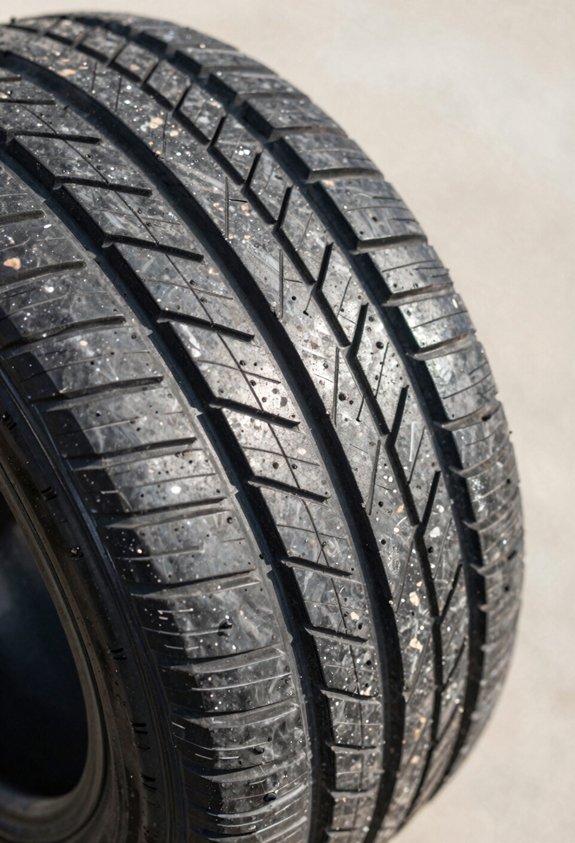
When you’re standing in a tire shop, holding a fresh set of rubber, how deep is that tread really?
What Tread Depth Means for New Tires
Most new tires arrive with tread depth near their original design specifications, typically measuring 10/32″ to 11/32″ (8–9 mm), though this varies by tire model and type. Passenger tires commonly begin at approximately 10/32″ (about 8 mm), while performance or winter variants may deviate slightly from this baseline.
I measure from the tread’s top surface to the groove’s deepest point, excluding wear indicators entirely. Manufacturers maintain tight controls, yet manufacturing tolerance permits minor variations; acceptable only when uniform across the tire and absent uneven wear patterns upon installation. Verify actual depth with a gauge; don’t assume nominal specifications apply universally.
Tread Depth by Vehicle: Cars, Trucks, and SUVs
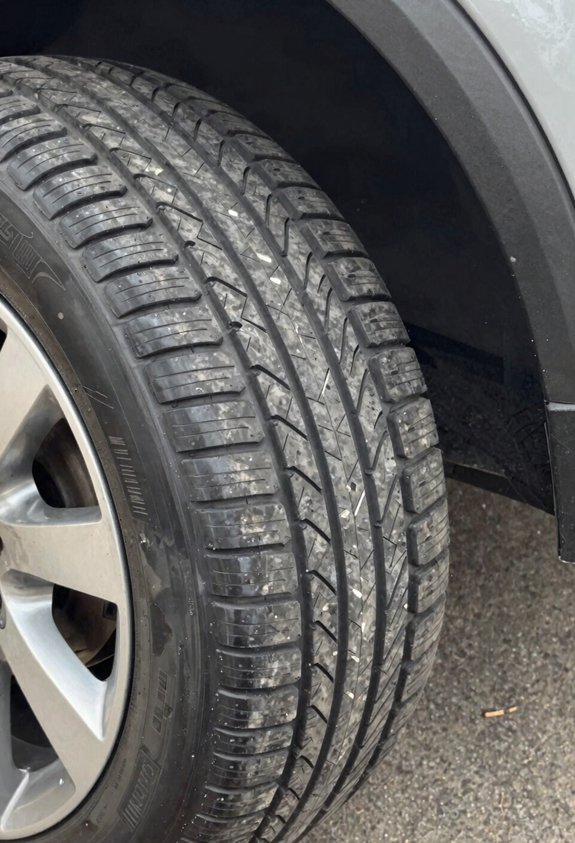
While new tires across cars, trucks, and SUVs commonly start with 10/32 to 11/32 inch of tread depth, I want to break down how New Car Treads, Light Truck Depths, and SUV Tire Standards each carry distinct maintenance implications you shouldn’t overlook.
Cars often prioritize wet-weather evacuation channels in their tread designs, whereas light trucks frequently demand deeper initial grooves, sometimes 12/32 to 15/32 inch, to manage heavier payloads and off-road abrasion without premature failure. SUV tires typically occupy a middle ground, though their higher center of gravity and uneven load distribution make multi-point tread checks, especially at inner and outer edges, absolutely critical before you assume uniform wear across the contact patch.
New Car Treads
- All-season and touring tires: Most start at 10/32″ to 11/32″, though some touring models begin at 8/32″
- High-performance tires: Often closer to 9/32″ or slightly higher by design
- Winter tires: May vary slightly depending on tread pattern engineering
I measure tread depth from the tread’s top to the deepest groove bottom, using 32nds-of-an-inch (10/32″ equals ten thirty-seconds).
Wear Indicators and Replacement Timing
Manufacturers build new tires with warranties reflecting tread life designed to reach the 2/32″ minimum before replacement. However, I caution that performance, especially in wet conditions, declines noticeably before hitting that legal limit, so you’ll want to monitor closely.
Light Truck Depths
Resilience demands precise calibration of the rubber meeting the road, and I find that light-truck tires illustrate this principle with particular clarity. New light-truck tires typically carry 10/32″ to 12/32″ tread depth on highway-focused models, a sturdy foundation for demanding duty cycles.
I want you to recognize that minimum tread depth, 2/32″ legally, though many fleets adopt 4/32″, serves as your threshold for replacement, not merely guidance. Here’s what uneven wear reveals: heavy-load and all-terrain patterns degrade asymmetrically, masking dangerous loss of effective depth beneath superficially acceptable measurements.
I must caution you that aging supersedes tread metrics entirely; evaluate light-truck tires at 6–10 years regardless of remaining rubber, as sidewall deterioration compromises structural integrity silently. Your vigilance protects cargo, crew, and community.
SUV Tire Standards
Passing from light-truck specifications, I now turn my attention to sport-utility vehicles, whose tire demands occupy a distinctive middle ground: heavier than passenger cars, yet often more road-biased than their truck counterparts.
Tread Depth Specifications for SUV Tires
SUV tires are typically designed with deeper tread blocks and higher load ratings to handle heavier vehicle weight and highway speeds, compared to many cars. Manufacturers often specify a recommended tread depth around 6/32″ to 8/32″ for SUVs for ideal wet performance, though many inspectors consider 4/32″ as a minimum, and 2/32″ as the minimum legal depth in several states.
Tread depth loss on SUVs is frequently uneven due to heavier suspension and load distribution, making regular multi-point inspections essential. SUV tires may use larger overall diameters and wider widths, which can affect tread wear patterns and the rate at which tread depth declines.
The presence of all-terrain or winter tire options means tread depth guidelines can vary by tire type and climate, reinforcing the need to follow OEM recommendations and local regulations.
Warning Signs: When “New” Tires Have Hidden Damage
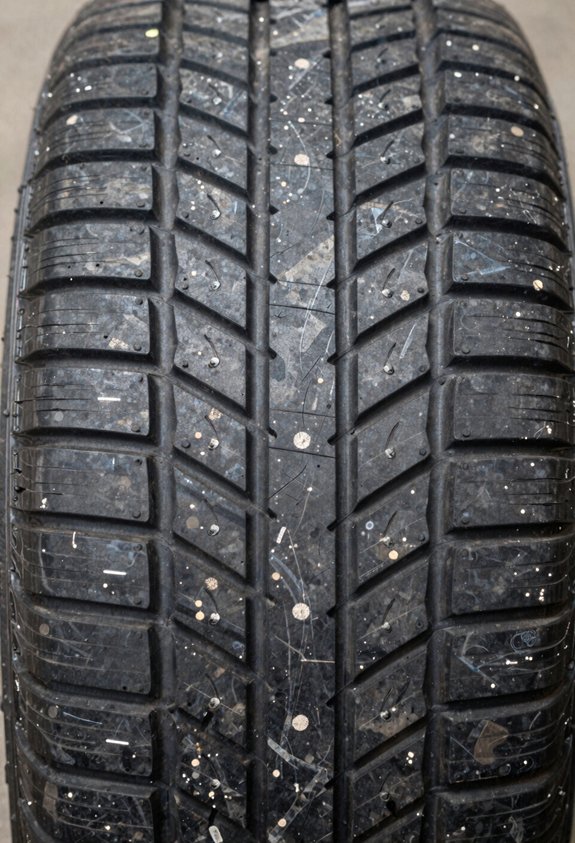
When I’m inspecting what looks like a new tire, I start with visual inspection priorities, checking for bowed sidewalls, unusual tread voids, or cracks along the bead area that manufacturing defects, not wear, typically cause. I then assess storage condition indicators, since prolonged exposure to heat, ozone, or improper stacking can degrade internal cords and belt structures before the tire ever touches pavement.
Finally, I perform structural integrity checks, including inflation tests for lumps, bubbles, or abnormal hissing sounds, and I cross-reference any visible irregularities against manufacturer recalls or warranty notices that might flag latent defects invisible to cursory examination.
Visual Inspection Priorities
Before I mount any tire I’ve just pulled from the rack, I’m looking past that glossy surface sheen to what lies beneath, because even fresh-from-the-factory rubber can harbor defects that compromise performance before the first mile turns.
Tread Depth and Surface Examination
I verify that tread depth measures consistently across the tire, checking for manufacturing flaws like runout, tread depth inconsistency, or off-center patterns that signal production defects undermining tire safety.
Sidewall and Structural Assessment
I’m scanning sidewalls for knots, bulges, cuts, or abrasion that threaten integrity. My visual inspection extends to blemishes: unusual punctures, stitching irregularities, exposed cords, warning signs of internal damage you can’t afford to miss.
Documentation Verification
I confirm DOT codes, manufacture dates, and recall status. This completes my visual inspection protocol, so no compromised tire reaches your vehicle.
Storage Condition Indicators
Storage condition indicators reveal what visual gloss conceals: sidewall cracking, flat spots from compression, or weeping from UV and ozone exposure. I watch for off-gassing odors, mold, or excessive stiffness; signals of premature tire aging or contamination.
Manufacturing defects compound these risks when date-code irregularities (mismatched DOT codes, unusual markings) suggest improper aging or tampering. These warning signs, often invisible until mounting, demand scrutiny before purchase.
Structural Integrity Checks
During new tire inspection, I examine for bulges, bubbles, or vibration signatures that signal compromised construction. Pressure abnormalities expose internal failures when gradual deflation persists despite proper inflation. I watch for misshapen tread blocks, exposed cords, or tread depth irregularities indicating fabrication errors.
Recalls or prior puncture repairs demand immediate dealer verification, as repairs degrade structural integrity. These protocols protect us from catastrophic failures that proper tread depth measurements cannot predict.
How to Measure Tread Depth Yourself
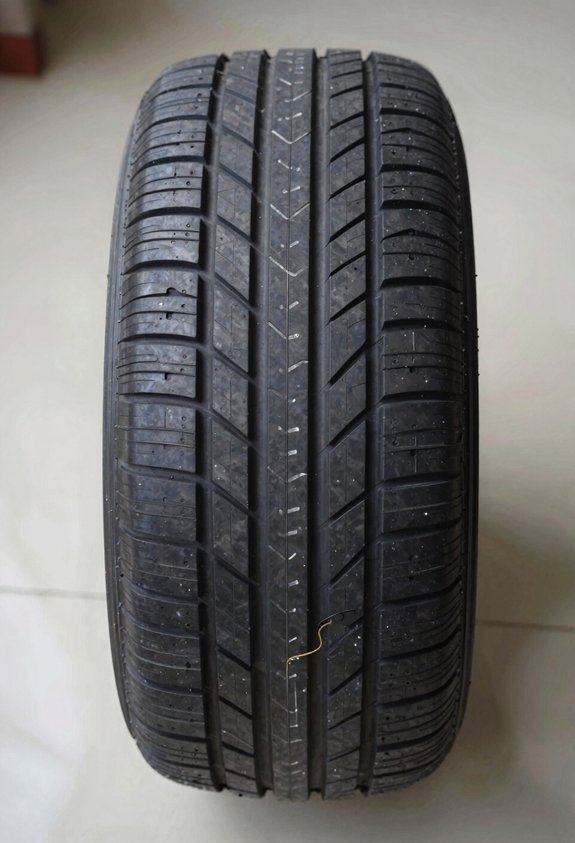
How do you know when your tires have worn dangerously thin without waiting for a mechanic’s assessment? I’ll show you exactly how our community keeps tabs on tread depth ourselves, because taking charge of your own safety builds real confidence on the road.
DIY Measurement Methods
You’ve got two solid options I’d recommend. First, there’s the penny test: grab a Lincoln cent, insert it head-down into your tread groove, and check whether his entire crown remains visible; if so, you’re at or below 2/32″, which means replacement isn’t optional anymore, it’s mandatory for staying safe alongside the rest of us who count on predictable handling.
For precision that penny can’t match, invest in a tire tread depth gauge, then measure at multiple points: inner edge, center, outer edge. Tires rarely wear perfectly even.
Critical Indicators
Watch for built-in wear bars, those raised strips that flush with surrounding tread signal you’ve hit that 2/32″ threshold.
Inspection Protocol
Check all five tires, spare included, and mark your calendar for thorough inspections around the five-year mark.
Tread Wear Rates: How Fast New Tires Lose Depth
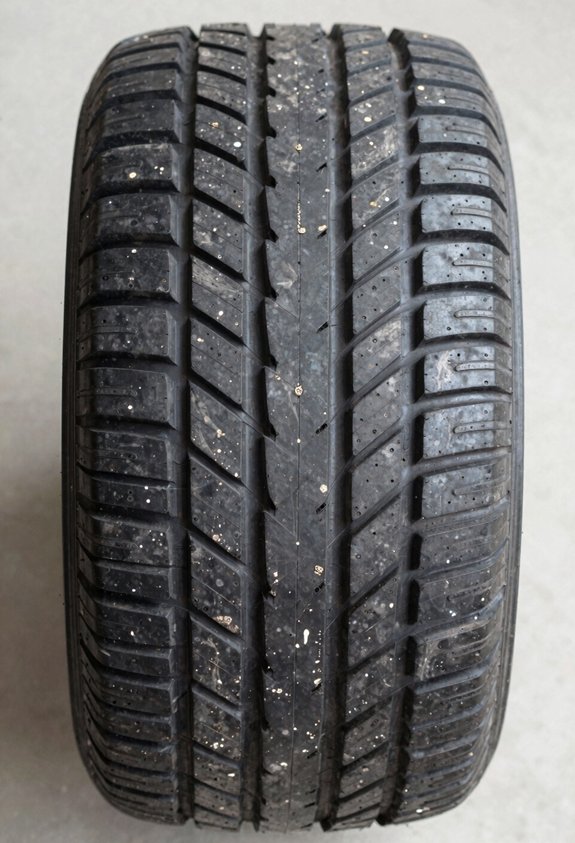
Once you’ve established your tires’ current depth, you’ll want to understand how quickly that measurement will change, since wear rates determine how soon you’ll face replacement decisions. New tires typically start at 10/32″ to 11/32″ tread depth, and I’ve seen how dramatically conditions accelerate loss.
Factors Influencing Wear Rates
| Factor | Effect on Tread Depth | Typical Impact |
|---|---|---|
| Vehicle Load | Heavier loads crush tread, accelerating wear | 10-20% faster loss |
| Driving Style | Aggressive cornering and braking abrades rubber | 15-25% faster loss |
| Climate | Extreme heat softens compounds; cold reduces flexibility | Variable by region |
UTQG treadwear ratings offer relative guidance, though they’re imprecise for your specific driving. I monitor my tread depth seasonally, recognizing that uneven wear patterns, aging, and usage shifts all accelerate how quickly new tires sacrifice their protective depth.
Replacement Timing: The 2/32 vs. 4/32 Safety Debate
Consumer Reports’ Research Findings
Data shows wet braking distances increase significantly when tread reaches 2/32–3/32 inches. Hydroplaning resistance degrades before legal minimums.
Industry Perspectives
Parrish-McIntyre Tire Co. aligns with 4/32 inches, citing uneven wear patterns and seasonal safety margins. Wear patterns (even versus uneven) often override single measurements in practical replacement decisions.
Jurisdictional Variation
- 42 states: 2/32 inch minimum
- California, Idaho: 1/32 inch
- Several states: no explicit minimum
I recommend evaluating tread depth at 4/32 inches, particularly if you drive in wet conditions regularly, though 2/32 inches remains legally permissible in most jurisdictions.
When Tread Depth Fails State Inspections
State motor vehicle inspection programs operate under fragmented regulatory frameworks, meaning you’ll encounter substantially different pass-fail thresholds depending on where you register your vehicle. Most states set 2/32 inch as the minimum tread depth for inspections, though California and Idaho permit 1/32 inch, and some jurisdictions lack standards entirely.
I want you to recognize that tread depth alone doesn’t guarantee passage, since I’ll flag severe uneven wear, cracking, or sidewall damage even on tires meeting numerical requirements. Several states adopt 3/32 inch as safety equivalents for enhanced protection, particularly for winter performance.
During inspections, technicians assess overall condition: remaining tread patterns, age indicators, and structural integrity, not isolated measurements. Understanding your local regulations means you’re prepared, because compliance demands awareness of both legal minimums and practical safety thresholds that vary across state lines.
The Penny Test and Other Quick Checks
Now that you understand how state inspectors evaluate your tires against legal minimums, I’ll show you how to perform similar assessments yourself before you’re ever in their bay.
Catch tire problems before the inspector does—learn to check your own tread depth using simple methods you can do at home.
The Penny Test: A Practical Screening Method
The penny test provides a rough approximation of remaining tread depth using common currency. Insert Lincoln’s head upside down into multiple tread grooves across each tire, including inner and outer edges, to detect uneven wear. If his head remains visible, your tread depth has fallen below 2/32 inch, the legal threshold in most jurisdictions, meaning replacement is warranted. However, this method only estimates; it won’t reveal precise measurements.
Wear Indicators and Limitations
Modern tires incorporate wear indicators, raised bars within grooves that become flush with surrounding rubber at 2/32 inch. While convenient, these factory markers share the penny test’s imprecision.
Neither substitutes for a calibrated tread depth gauge, which delivers objective readings essential for informed decisions.
Buying Smart: What Depth to Demand and Verify
How do you know you’re actually getting what you pay for when a shop installs “new” tires? I always verify tread depth myself, insisting on 10/32 to 11/32 inch, since that’s where new tires begin. I check all four for even depth, scanning for irregular wear or sidewall damage that compromises tire safety.
Key Verification Steps
- Inspect production dates: I reject tires older than 10 years, regardless of surface appearance.
- Review UTQG ratings: These indicate relative tread life, though they’re guides, not promises.
- Measure wet-weather headroom: While 4/32 inch triggers replacement warnings for safety, I’m starting fresh well above that threshold.
Demand documentation. You’re joining drivers who refuse assumptions, protecting your investment through informed inspection rather than blind acceptance.