
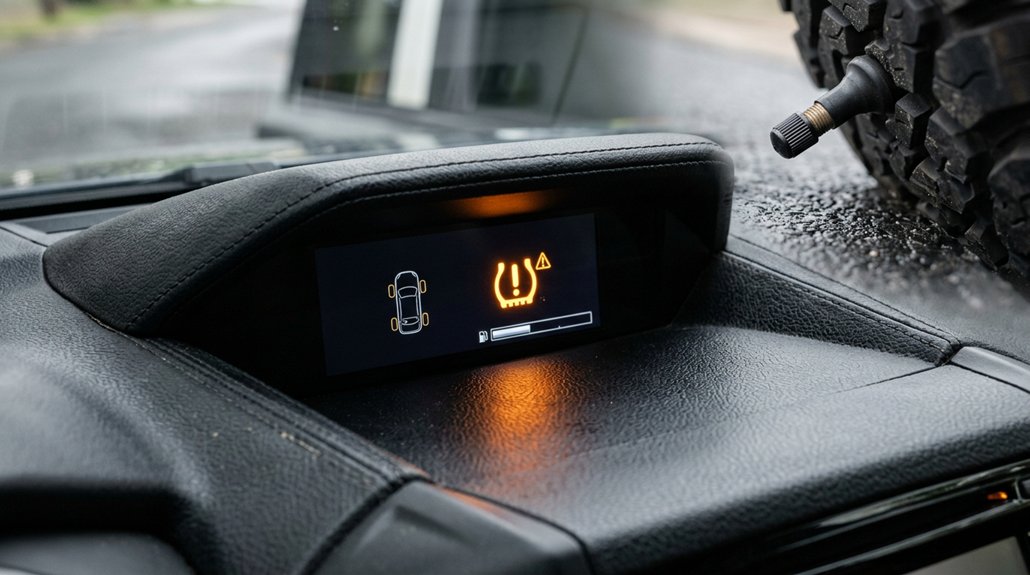
Most drivers don’t realize that approximately 85 million TPMS sensors are currently operating past their intended design life in the United States alone, creating a silent reliability crisis that unfolds one dashboard warning at a time. I want to break down what you actually need to know.
How Long Do TPMS Sensors Actually Last?
A TPMS sensor’s lifespan hinges almost entirely on its sealed, non-replaceable battery, which typically delivers 5 to 10 years of service before the entire unit requires replacement. I’ve learned that TPMS sensor batteries aren’t designed for field replacement, meaning when power depletes, you’re installing an entirely new sensor.
Factors Accelerating Battery Drain
Your driving habits directly impact longevity. Frequent RF transmissions, stop-and-go commuting, and extreme temperature exposure, whether desert heat or northern winters, force batteries to work harder, often cutting service life toward that 5-year threshold rather than 10. Advanced lithium thionyl chloride chemistries now push past decade-long performance with superior thermal resilience.
Real-World Variability
Toyota Tacoma owners (2016–2023) report inconsistent results, with some sensors failing near 40,000 miles, frequently coinciding with tire service intervals. When replacement becomes necessary, I recommend swapping all four sensors simultaneously during scheduled maintenance. This keeps performance consistent across all wheels and prevents failures from happening at different times, though replacing just one remains technically possible if budget constraints require it.
What a Blinking TPMS Light Actually Means
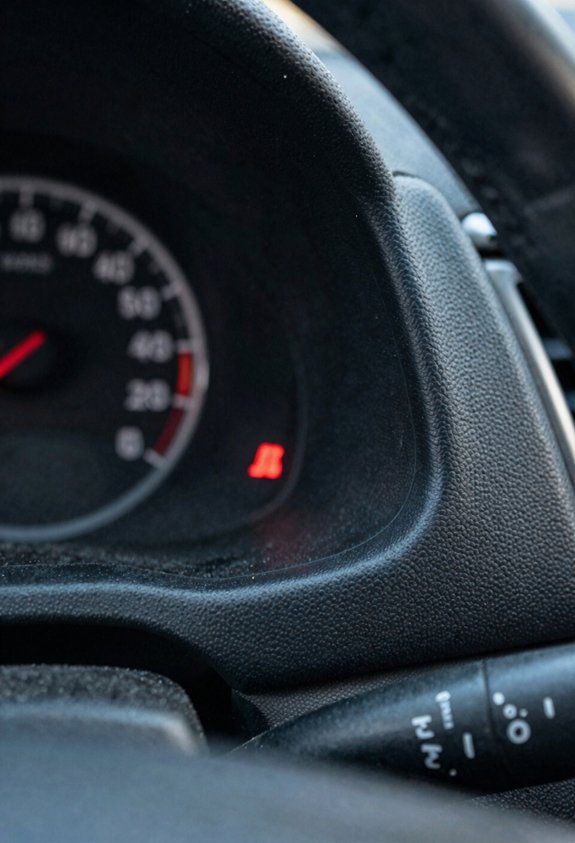
A blinking TPMS light, which typically appears as a flash lasting 60–90 seconds before becoming solid, means more than just low tire pressure. It signals an active system malfunction that needs your immediate attention. This pattern differs from the steady warnings you see during routine pressure drops.
Check all four tire pressures manually and schedule professional service without delay. Common causes include dead sensor batteries, improper sensor installation, or internal system failures that affect your safety monitoring. If the blinking persists, especially after reset attempts, you’ll need a thorough diagnostic evaluation. This will determine whether sensor replacement, a relearn procedure, or more extensive module repairs are necessary.
What Triggers Blinking Warnings
During normal operation, your tire pressure monitoring system relies on small sensors inside each wheel that transmit pressure data to your vehicle’s computer. When something disrupts this communication, whether through battery depletion, signal interference, or internal component failure, the warning light responds with a distinctive blink rather than the steady illumination you’d see for low pressure.
What Triggers Blinking Warnings
Several factors trigger this warning. The most common culprit is TPMS sensor battery depletion; those non-replaceable lithium-ion power cells typically last 5–10 years, depending on driving conditions and climate. Multiple sensors nearing end-of-life simultaneously, improper installation following tire service, or damaged internal components also cause intermittent signals.
When I see that blink, I check my tire pressures immediately, then schedule service to diagnose whether we’re facing battery failure, installation error, or component malfunction.
60–90 Second Pattern
Understanding the exact behavior of your TPMS warning light helps distinguish between a simple pressure loss and a system malfunction requiring professional attention. When you first start your vehicle, watch for the 60–90 second pattern, where the TPMS light blinks for approximately one to one-and-a-half minutes before turning solid; a critical indicator that your TPMS battery life has reached its end.
This specific duration matters because it differentiates immediate pressure alerts from system failures. Here’s what we’ve learned together about interpreting these warnings:
- A blinking light that stabilizes after 60–90 seconds confirms sensor battery depletion, not temporary temperature-related pressure drops
- Solid illumination following the flash sequence demands prompt diagnostic service to restore monitoring functionality
- Multiple sensors exhibiting this pattern suggest coordinated TPMS battery life expiration, requiring strategic replacement planning during scheduled tire maintenance to preserve system integrity and avoid cumulative failures.
Immediate Driver Response
When your TPMS warning light blinks upon ignition, you’re receiving a malfunction signal rather than a straightforward pressure alert, and I need you to grasp this distinction immediately because your response protocol differs considerably depending on which indicator you’re seeing.
What the Blinking Pattern Signifies
A flashing TPMS light typically indicates sensor battery failure, though damage, improper installation, or end-of-life degradation may also trigger it. The system may transition to solid illumination after 60–90 seconds if it subsequently detects pressure anomalies.
Your Required Actions
- Check all tire pressures immediately, inflating to manufacturer specifications
- Schedule diagnostic service without delay: sensor batteries cannot be replaced independently, necessitating full sensor replacement
This malfunction compromises your safety net; until repaired, you’re driving without reliable pressure monitoring, a risk no conscientious driver should accept.
What to Check First When the TPMS Warning Hits
Why does that little amber icon suddenly demand attention? When that light flashes, I know we’ve got to act together as drivers who keep each other safe.
That amber icon demands attention because when it flashes, we need to act together to keep each other safe on the road.
Here’s my three-step check I always run through:
- Watch the flash pattern, if that light blinks 60–90 seconds before going solid, I’m likely seeing a dead sensor battery, which means the TPMS sensor lifespan has run its course.
- Grab a pressure gauge, I verify actual tire pressure immediately, since a solid light can mean underinflation even with functioning sensors.
- Schedule service promptly, with replacement costs between $200–$800 for all four sensors, I don’t delay. I book with a shop that handles sensors carefully and follows proper relearn procedures.
We’re in this together, staying sharp keeps us all rolling safely.
What Kills TPMS Sensor Battery Life Faster?
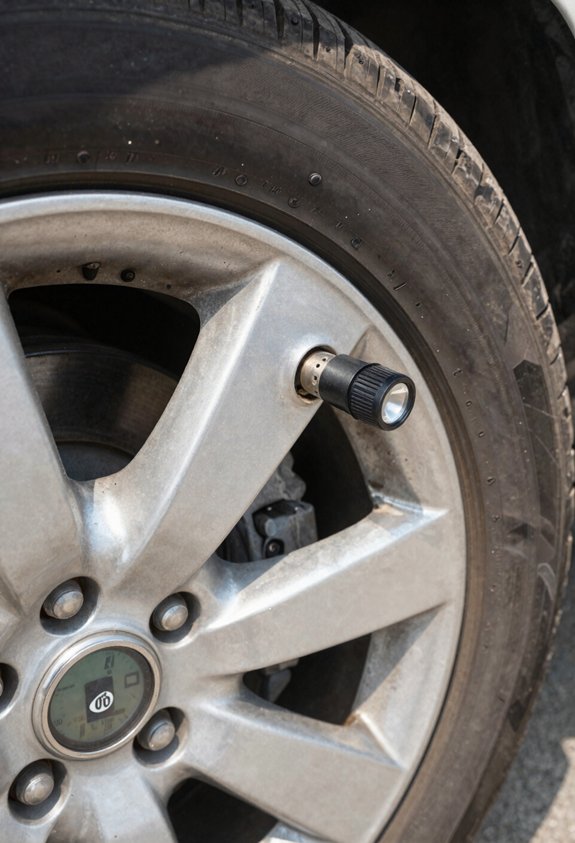
I want you to understand exactly what shortens the lifespan of your TPMS batteries, because recognizing these factors early can prevent unexpected failures. Driving habits impact your sensors markedly; stop-and-go traffic with constant speed changes forces more frequent RF transmissions than steady highway cruising, which accelerates drain.
Temperature extremes drain lithium-thionyl chloride cells faster than moderate conditions, while transmission frequency strain from rapid pressure monitoring during aggressive driving compounds the wear.
Driving Habits Impact
How dramatically do your daily driving routines affect the hidden lifespan of those tiny sensors inside your tires? I’ve learned that your behavior behind the wheel directly dictates sensor life, and small changes yield measurable differences.
- Frequent stop-and-go traffic forces constant RF transmissions, draining batteries faster than steady cruising
- Aggressive acceleration and braking triggers additional pressure monitoring cycles, accelerating wear on both sensors and their power sources
- High-mileage long-distance driving accumulates cumulative transmission cycles that compound battery depletion over time
Additionally, I recommend minimizing unnecessary tire service; each rotation or replacement risks damaging sensor integrity. Consistent, moderate driving patterns reduce transmission frequency, directly extending operational lifespan.
You’ll maximize your investment by avoiding harsh conditions and maintaining proper inflation, which prevents compensatory sensor activity that strains limited battery reserves.
Temperature Extremes Drain
Where exactly does the hidden drain on your TPMS batteries originate when seasons shift from scorching summers to freezing winters? I’ve examined how temperature extremes attack your TPMS battery life from multiple angles, and the data reveals substantial degradation patterns.
Extreme Heat Acceleration
Lithium thionyl chloride batteries, utilized in most TPMS sensors for their decade-plus longevity, experience accelerated chemical reactions in sustained heat above 85°F (29°C). This heat increases internal discharge rates, shortening functional lifespan by measurable percentages compared to moderate climate operation.
Cold Weather Stress Patterns
While freezing temperatures temporarily reduce battery strain, the real damage emerges from fluctuation cycles. Repeated expansion and contraction from daily temperature swings—thawing mornings, blazing afternoons—generate internal sensor stress, elevating premature failure risks.
Mitigation Strategies
I’ve found proper mounting reduces vibrational compounding effects. Secure installation minimizes additional mechanical stress that, combined with thermal cycling, compounds battery deterioration.
Transmission Frequency Strain
Temperature extremes establish the baseline conditions for battery degradation, yet the actual consumption of stored energy hinges on how often your TPMS sensors activate their internal transmitters.
Every radio frequency (RF) pulse draws measurable current from your sensor’s integrated battery, and I’ve observed that driving patterns directly dictate transmission frequency. Consider how your daily commute shapes battery life:
- Stop-and-go traffic forces dozens of hourly transmissions as pressure fluctuates
- Smooth highway cruising minimizes RF activity, preserving stored capacity
- Harsh environments (off-road vibration, pothole impacts) trigger excessive sensor reporting cycles
We all want reliable tire monitoring without premature replacement costs. Steady-speed driving extends operational lifespan, while aggressive urban cycles accelerate electrochemical exhaustion. Monitor your driving style; it’s directly tied to how long these sealed units function before requiring complete sensor replacement.
Do Cold Climates Help or Hurt TPMS Longevity?
Why might winter driving conditions pose hidden risks to your tire pressure monitoring system?
I want you to understand how cold climates directly impact your TPMS battery life. Temperatures below freezing slow chemical reactions slightly, which seems beneficial, yet extreme cold stiffens battery components, increases internal resistance, and accelerates wear over time. You’re facing a trade-off.
The Dual Nature of Cold Climate Effects
- Extended periods of vehicle inactivity reduce RF transmissions, temporarily conserving power
- Temperature fluctuations force more frequent sensor recalibrations and wireless transmissions, draining batteries faster
- Component stress from repeated freeze-thaw cycles degrades internal battery structure
Protecting Your Investment
I recommend sensors rated for -40°C to +125°C, making sure installation seals are proper, and keeping tire pressure at optimal levels to minimize unnecessary sensor strain. These steps help you maximize longevity despite harsh conditions.
How Stop-and-Go Driving Drains Your TPMS Sensor Batteries
How markedly does your daily commute pattern influence the hidden lifespan of those small sensors monitoring your tires? I’ve found that stop-and-go driving significantly accelerates battery drain, with frequent acceleration and braking triggering constant pressure updates that exhaust your TPMS sensor battery life far faster than highway cruising.
Stop-and-go driving drains TPMS sensor batteries far faster than steady highway cruising through constant pressure-triggered RF transmissions.
Why Your Daily Grind Wears Them Down:
- Transmission spikes: Every speed change prompts RF signals, multiplying energy consumption exponentially versus steady-speed driving.
- Short-trip syndrome: Repeated starts prevent full charge cycles, leaving batteries perpetually depleted.
- Thermal cycling: Heat from braking compounds drain, though cold climates offer slight relief by reducing transmission strain.
While you can’t always avoid traffic, understanding these patterns helps you anticipate shorter replacement intervals and plan maintenance accordingly.
Why One Dead TPMS Sensor Means the Others Will Fail Soon
When you discover one TPMS sensor has gone dark, you’re likely facing a cascade failure.
Those remaining units are teetering on the edge, their batteries nearly spent from years of shared abuse. Your TPMS sensors endure identical conditions: extreme heat, freezing cold, and relentless vibration. So their lithium-ion or lithium-thionyl chloride cells degrade in unison. With lifespans of 5–10 years, they’re designed to fail together, not politely stagger apart.
Stop-and-go driving accelerates this synchronized decline, forcing constant RF transmissions that drain power faster. One failure signals chemical exhaustion across the entire set. Technicians recognize this pattern: when one sensor dies, I’ve learned the others typically follow within months, making proactive replacement the smarter path for drivers who value reliability and peace of mind.
Should You Replace All Four TPMS Sensors at Once?
When I’m deciding whether to replace all four TPMS sensors simultaneously, I weigh the upfront cost, typically $200 to $800 for a complete set, against the likelihood of staggered failures that’ll require multiple shop visits within a short timeframe. I’ll consider how much life remains on my current sensors, my driving patterns (which affect RF transmission frequency and battery drain), and whether I’m already mounting new tires, since that labor overlap reduces total cost.
Replacement timing hinges on matching my vehicle’s service intervals with proactive maintenance, or alternatively, waiting until individual units fail and absorbing the inconvenience of unpredictable reliability.
Cost-Benefit Analysis
Deciding whether to replace all four tire pressure monitoring system sensors simultaneously, rather than waiting for individual failures, presents a genuine fork in the road for most vehicle owners. The choice hinges on a confluence of variables that aren’t always immediately apparent.
I weigh the cost of replacement sensors, which typically runs $200-$800 for a complete set, against the inconvenience of staggered failures. When you’re already paying for tire service, adding uniform sensor replacement eliminates future diagnostic fees and mounting labor.
- Labor consolidation — I pay one service charge instead of multiple shop visits.
- Performance matching — I avoid mixed battery ages creating erratic readings.
- Mileage alignment — I synchronize replacement with tire changes at 40,000-50,000 miles.
For many of us, the upfront investment buys peace of mind and simplified maintenance scheduling.
Replacement Timing Factors
I’ve moved past the cost-benefit question, and now I’m zeroing in on the mechanics that actually drive replacement decisions. TPMS sensors typically last 5–10 years, and since their batteries are sealed, the whole unit gets replaced when power fails.
When to Consider TPMS Sensor Replacement
- During tire service: Many owners replace all four sensors during tire changes, maximizing convenience and ensuring uniform performance across the axle.
- Warning light activation: A persistent TPMS warning often signals battery degradation, prompting replacement consideration.
- Cost factors: Complete TPMS sensor replacement runs $200–$800, varying by vehicle make and model.
Battery life fluctuates with driving patterns and climate exposure, so I don’t rely on fixed mileage. Instead, I weigh sensor condition, service history, and whether I’m already paying for tire mounting.
Replacing sensors together prevents staggered failures and repeat shop visits.
What TPMS Sensor Replacement Actually Costs
How much should you realistically expect to pay when those dashboard warnings finally signal that your TPMS sensors need attention? TPMS sensor battery life determines everything, since that embedded power source isn’t replaceable, meaning you’re buying complete sensor units when failure occurs.
Replacing all four sensors typically runs $200–$800, depending on your vehicle’s make and model. Here’s what drives those numbers:
- Luxury vehicles demand proprietary sensors costing $150+ each, while mainstream brands average $50–$75 per unit
- Labor and programming add $40–$100, as technicians must sync new sensors to your vehicle’s computer
- Tire-mounted work incurs mounting and balancing fees, usually $15–$25 per tire
Since battery degradation is non-uniform, I recommend replacing all four simultaneously. This keeps performance consistent and eliminates repeated service visits when the next sensor fails.
How Tire Changes Damage TPMS Sensors
The replacement costs you’ve just seen aren’t the only financial hit TPMS sensors can deliver; sometimes the damage happens far sooner than battery failure would suggest.
How Tire Changes Damage TPMS Sensors
I’ve seen this repeatedly: a tire change, meant as routine maintenance, destroys a perfectly functional sensor. Here’s what happens when technicians aren’t careful:
- Physical impact: The sensor’s valve stem, protruding into the tire cavity, gets struck by mounting tools during demounting; I’ve watched technicians snap these stems clean off while prying beads over rim edges.
- Over-torquing: Attaching a new tire, I’ve observed shops crank metal valve cores or caps onto plastic sensor stems, cracking housings that then leak air and fail electrically.
- Chemical exposure: I’ve noted tire lubricants, applied excessively during mounting, seeping into sensor electronics and corroding internal circuitry within weeks.
- Drop damage: When tires come off, I’ve seen sensors fall onto concrete, with impacts above 3 feet often fracturing solder joints or battery connections internally.
You’re not powerless here. I’ve learned that replacing sensors *during* tire service (when wheels are already apart) saves labor costs, but only if your technician handles each sensor like the $50-$200 component it represents. Ask them to inspect stems before mounting, use plastic-safe tools near valve openings, and hand-tighten rather than torque metal-to-plastic.
I’ve found that choosing careful tire technicians prevents premature sensor death that’d otherwise hit your wallet years before the 5-to-10-year battery lifespan expires.
What to Ask Your Tire Shop Before They Touch Your Sensors
Why gamble with a $50-$200 component when five minutes of conversation can prevent premature failure? I never let a shop touch my wheels without covering these essentials first.
Critical Questions Before Service
- Will you relearn my TPMS sensors after installation, and is that cost included? Improper relearn procedures trigger false warnings and return visits.
- Given that my sensors are [X] years old, should I replace all four during this tire change? Since TPMS sensor batteries are non-replaceable, proactive replacement often beats paying $200-$800 later for individual failures.
- How do you handle sensors during mounting; do you use proper techniques to avoid damaging valve stems or internal components? Rough handling accelerates failure.
A reputable shop welcomes these questions. If they don’t, I find one that does.
How to Make Your TPMS Sensors Last Longer
Rather than resigning yourself to replacing sensors every few years, I’ve found that strategic habits can push these components toward the upper end of their five-to-ten-year battery lifespan.
Rather than accepting frequent replacements, strategic habits push TPMS sensors toward their full five-to-ten-year battery lifespan.
Minimize RF Transmission Cycles
- Maintain steady highway speeds, as your TPMS sensors transmit less frequently when tire pressure remains stable
- Avoid unnecessary tire swaps; each remount triggers activation sequences that drain non-replaceable batteries
Protect Against Temperature Extremes
– Park in climate-controlled environments when possible; battery degradation accelerates dramatically above 100°F or below 20°F
Prioritize Professional Care
– Request thorough inspections during rotation services; damaged valve stems compromise both seal integrity and transmission efficiency
Invest in Quality Hardware
– Specify OEM-grade TPMS sensors, following proper torque specifications during installation to prevent intermittent connections that force excessive signaling
These collective measures preserve the sealed power cells inside your TPMS sensors, maximizing your return on this essential safety investment.
When to Replace TPMS Sensors With Your Next Tires
Even with diligent maintenance, you’ll eventually face a practical decision: whether to replace aging TPMS sensors proactively during scheduled tire service or wait until batteries fail unexpectedly. I’ve learned that timing this replacement wisely saves both money and hassle down the road.
Consider these factors when you’re at the tire shop:
- Sensor age matters most, if your TPMS sensors are approaching 5-7 years or 60,000 miles, their lithium batteries are likely declining
- Uniform replacement prevents headaches, since battery degradation varies, swapping all four TPMS sensors together ensures consistent performance
- Bundle the labor cost, at $30-$40 per sensor, you’ll avoid paying mounting fees twice by handling it with your tire purchase
I replace mine proactively. You’ll rest easier knowing your pressure monitoring won’t quit during your next road trip.