
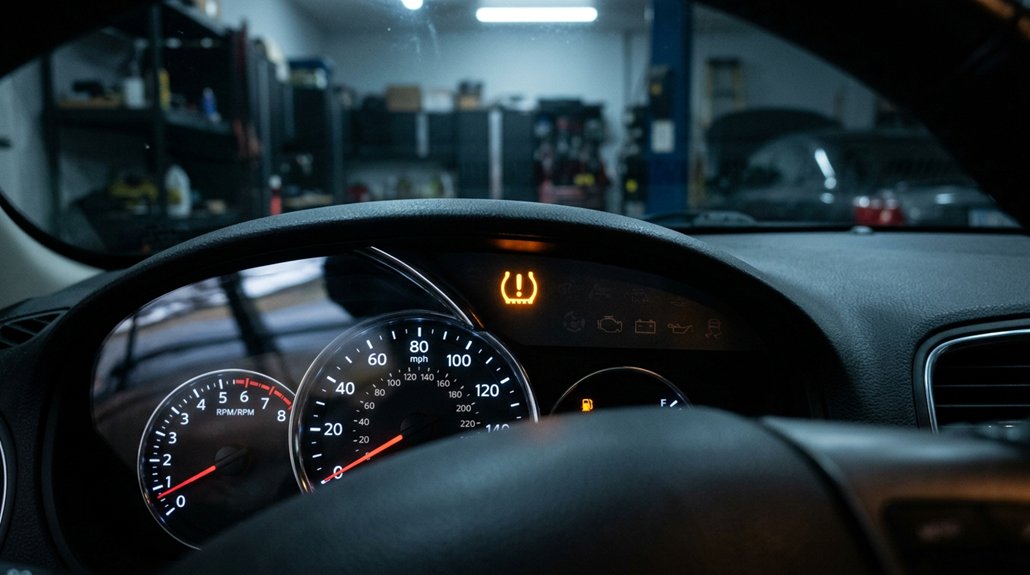
I’ve noticed my tire pressure warning light blinking, and I need to understand what’s actually happening before I keep driving. A blinking TPMS indicator typically means the system can’t communicate with one or more sensors, not that I have a confirmed flat tire. Common culprits include a dying sensor battery (usually 5–7 years), recent tire service requiring recalibration, or signal interference.
I’ll walk through each possibility, but first, I need to check whether that light is blinking steadily, flashing in patterns, or solid. That changes everything about what’s wrong and how urgently I must act.
Is Your TPMS Light Blinking or Solid?
Temperature fluctuations can trigger brief blinking as sensors adjust, though this should resolve quickly. However, if your light continues blinking, alternates between states, or returns frequently, you’re facing hardware or synchronization issues requiring professional attention.
I understand wanting clear answers about your vehicle’s signals. Identifying whether your TPMS blinking light resolves independently or demands service helps you protect tire integrity and avoid compromised handling.
Blinking TPMS Light? Check These 3 Things First
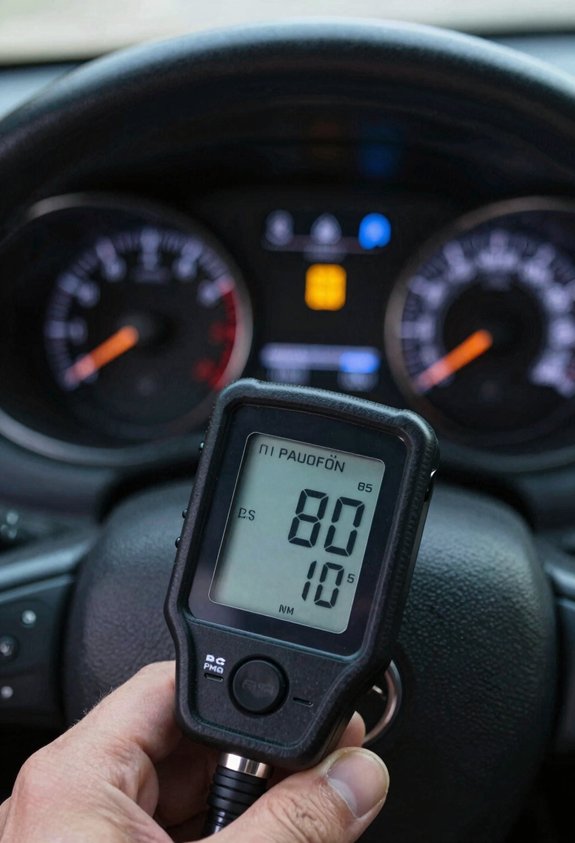
When your TPMS light blinks for 60–90 seconds before turning solid, I recommend checking three critical failure points: sensor battery failure (typically 5–7 year lifespan), system recalibration needs following tire rotation or seasonal pressure adjustments, and communication signal loss between sensors and your vehicle’s receiver module.
These diagnostic steps help isolate whether you’re dealing with a single failing sensor, a synchronization error requiring manual reset procedures, or broader electrical interference affecting radio frequency transmission. I’ll walk through specific inspection protocols for each scenario, including pressure threshold verification and scan tool diagnostics, so you can determine if this demands immediate sensor replacement or a simpler recalibration procedure at your service center.
Sensor Battery Failure
If your TPMS light starts blinking and then settles into a steady glow, I’m likely dealing with a sensor that’s lost its ability to communicate reliably, and the most common culprit behind this pattern is a failing sensor battery. These small batteries typically last 5-10 years, but when they weaken, the sensor can’t transmit pressure data consistently.
What Sensor Battery Failure Looks Like
Blinking persists 60–90 seconds before turning solid. Intermittent, unreliable readings between checks. No actual tire pressure loss detected.
Why It Matters
I’m not just seeing an annoyance, I’m losing critical safety monitoring. The system can’t warn me accurately if a tire really goes low.
My Next Step
I service the TPMS promptly. A technician diagnoses sensor health, identifies which unit’s failing, and replaces it. Ignoring this risks driving with compromised monitoring, and I won’t gamble on road safety.
System Recalibration Needed
A blinking tire pressure light that steadies after that telltale 60–90 second window often points to a system that’s simply lost its bearings after recent service, rather than a failed component crying out for replacement. I’ve rotated my tires, swapped in a new set, or had seasonal changeovers done, and suddenly my TPMS can’t tell which sensor belongs where; that’s when TPMS calibration becomes essential.
When Recalibration Triggers the Blink
- Tire rotation or replacement disrupts the stored sensor positions
- Seasonal tire swaps (winter-to-summer transitions) confuse the module
- New sensors installed without proper initialization
What I Do Next
I consult my vehicle’s manual; some models demand a specific relearn procedure, driving at prescribed speeds (typically 50 mph for 10 minutes), or a scan tool reset. Ignoring this leaves me flying blind on actual tire pressures, risking uneven wear or blowouts I’d otherwise prevent.
Communication Signal Lost
When signal integrity fails, intermittent blinking exposes these vulnerabilities:
- Damaged sensors (physical impact, corrosion, or internal fracture) broadcasting weak or interrupted signals
- Sensor battery depletion (typically 5-10 years lifespan) causing voltage-insufficient transmission
- Missing sensors, often following tire rotation or replacement services
- Incorrect installation (wrong sensor type, improper positioning, or incompatible programming)
- Electromagnetic interference from aftermarket devices, or severe cold affecting signal consistency
Persistent blinking demands professional diagnosis to identify whether signal loss stems from receiver malfunction, wiring faults, or sensor degradation requiring replacement. This pattern should never be ignored; communication failures compound, leaving you unaware of actual pressure threats.
How a Dead TPMS Sensor Battery Triggers Blinking
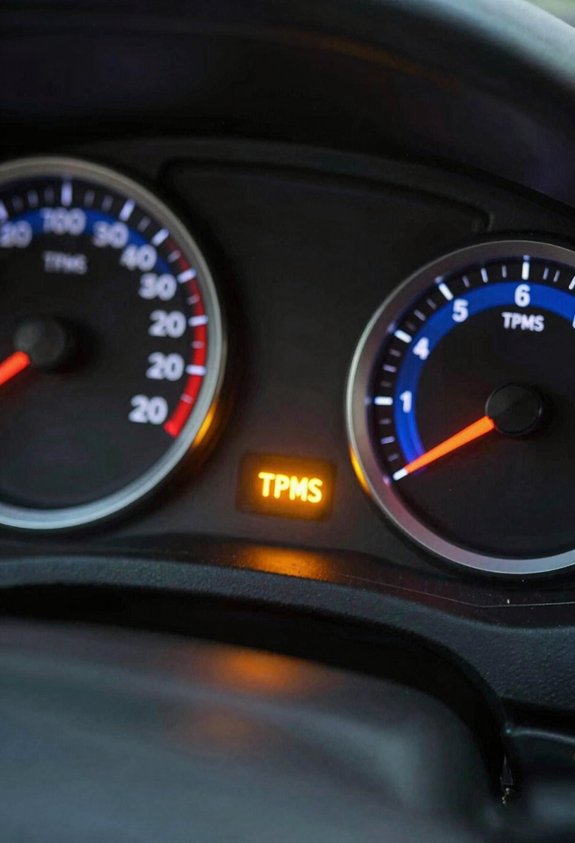
I want you to understand that TPMS sensor batteries typically last 5–10 years, and when mine dies, it can’t send pressure data to my car’s computer, which triggers that warning flash. That blinking light, often persisting for 60–90 seconds before turning solid, signals my system has lost communication with one or more sensors, and I shouldn’t ignore it.
Since I can’t replace these sealed sensor batteries myself, I’ll need a professional service to install new sensors, relearn the system, and confirm proper ECU communication to restore safe monitoring.
Sensor Battery Lifespan
- Each sensor contains a compact lithium battery that degrades predictably over years of service
- Weak batteries produce intermittent transmissions that confuse your vehicle’s receiver module
- Signal drops cause the system to blink while attempting reconnection protocols
- Complete failure eliminates pressure data entirely, forcing continuous warning illumination
- Replacement sensors become necessary once internal batteries reach depletion
Understanding these 5–10 year lifespans (climate-dependent) helps you anticipate failures before they strand you with uncertain tire integrity.
Blinking Light Trigger
The predictable degradation I outlined in sensor batteries does not simply cause the light to appear solid; instead, it initiates a specific, time-limited blinking pattern that reveals exactly what is happening inside your TPMS network.
How a Dead Battery Creates the TPMS Blinking Light
When your sensor battery weakens or dies, it cannot reliably transmit pressure data to your vehicle’s receiver. This communication failure triggers the TPMS blinking light, a warning distinct from the solid light that indicates actually low tire pressure. The blinking phase typically persists for 60 to 90 seconds before turning solid, signaling a continuing fault in your system’s readings.
This pattern matters because it tells you something specific: you have a system communication problem, not just low PSI. I recommend having a technician inspect your sensors to diagnose which unit has failed and verify overall sensor health.
Replacement Service Needs
Why exactly does a blinking TPMS light demand more than a temporary solution? TPMS sensor battery failure creates a chain reaction requiring professional intervention, dead batteries cannot be swapped individually, and the entire sensor unit must be replaced, then programmed to your vehicle’s specific protocol.
When TPMS sensor battery failure strikes, you’ll face these service requirements:
- Full sensor replacement: integrated battery design mandates complete unit swap
- System reprogramming: new sensors require digital pairing with your vehicle’s computer
- Relearn procedures: each wheel position must be electronically assigned
- Signal verification: technicians confirm transmission strength and reception
- Calibration checks: baseline pressure thresholds are reset for accurate monitoring
Ignoring this blinking precursor risks total monitoring loss. I strongly recommend immediate diagnostic service.
When Cold Weather Confuses Your TPMS Readings
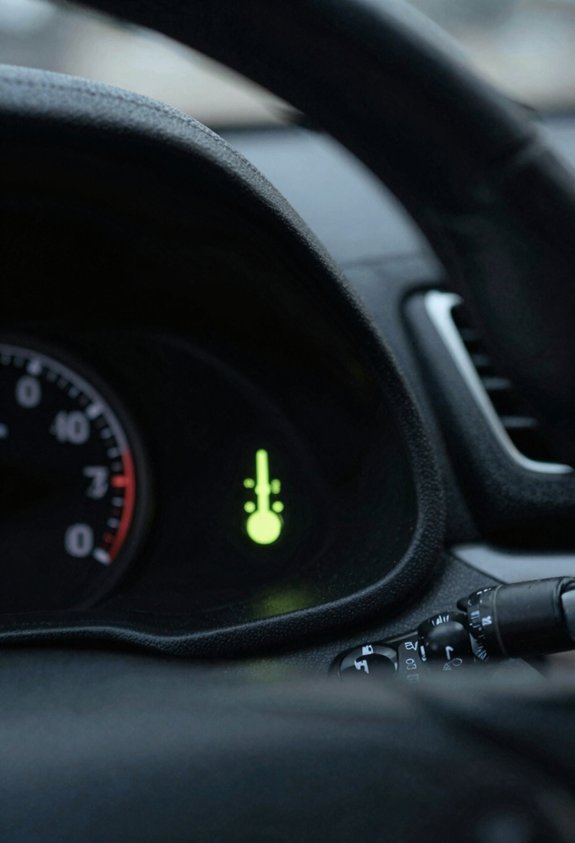
Noticing your TPMS light blinking on a frosty morning is one of the most common seasonal frustrations drivers encounter, and I’ll explain exactly why temperature drops create this confusion.
How Cold Affects Your Tire Pressure Monitoring System (TPMS)
Cold weather causes air molecules to contract, dropping tire pressure approximately 1 PSI for every 10°F decrease, often enough to trigger your TPMS warning.
Temperature fluctuations compound this confusion: your tires read low in frosty outdoor air, then behave differently when warmed in a garage. After driving, friction heats the rubber, temporarily raising readings and potentially silencing the light despite no actual inflation.
If your TPMS blinks briefly before stabilizing, suspect cold-induced sensor misreads rather than persistent faults. You should still verify actual pressure with a gauge.
New Tires or Rotation: TPMS Calibration Gone Wrong
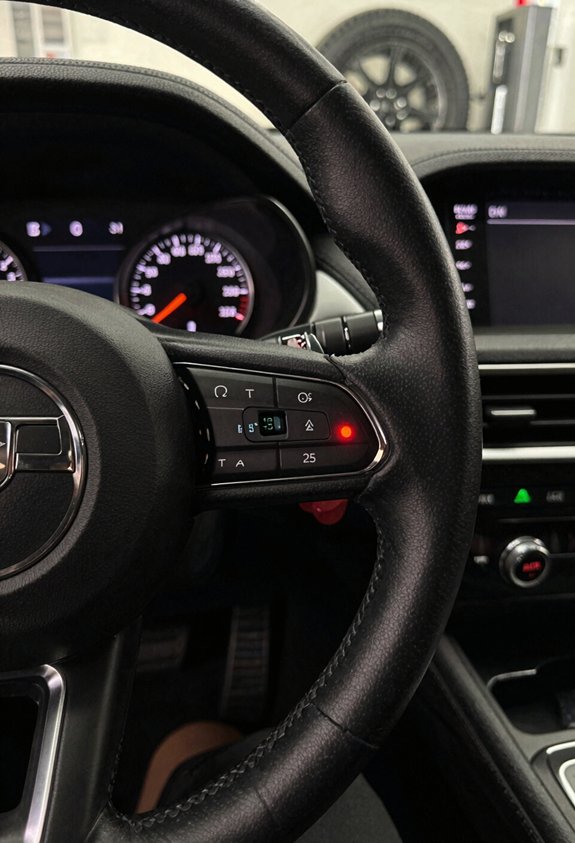
I’ve had my TPMS light start blinking right after getting new tires or a rotation, and that usually happens because the system needs to relearn where each sensor is now positioned. The timing of that recalibration matters; if it’s rushed or skipped, or if a shop pairs sensors to the wrong wheel positions, you’ll get exactly the kind of flashing signal that lasts 60–90 seconds before staying solid.
I’ll walk you through how sensor relearning works, why calibration timing trips people up, and what rotation mismatches actually mean for your readings.
Sensor Relearning Required
After installing new tires or rotating your existing set, you’ll likely notice the TPMS light behaving erratically; flashing for 30 to 90 seconds before remaining solid, or sometimes continuing to blink indefinitely, because the system has lost its calibrated reference points for which sensor corresponds to which wheel position.
A proper TPMS relearn fixes this mismatch, restoring accurate communication between each sensor and your vehicle’s monitor.
Here’s what you need to know:
- Sensor relearning syncs each tire’s unique ID with its correct wheel position after service
- Some systems flash initially, then stabilize once calibration completes
- Failed relearning leaves the light blinking or causes false pressure readings
- Many vehicles demand specific protocols: driving 50+ mph for 5–10 minutes, or using a dedicated reset tool
- If blinking persists, the relearn sequence likely failed; you’ll need to restart it precisely
Don’t ignore ongoing symptoms; incorrect pressure data compromises safety.
Calibration Timing Issues
How often have you glanced at your dashboard after a fresh tire rotation or new rubber installation, only to catch that amber icon doing something erratic, perhaps flashing three times, pausing, then settling into a slow, irregular pulse that defies normal warning-light behavior? I’ve been there, and it signals TPMS calibration timing issues we can fix together.
| What You’re Feeling | Why It Matters |
|---|---|
| Frustration at the unexpected warning | Your vehicle’s ECU hasn’t relearned new sensor IDs yet |
| Anxiety about driving “broken” systems | Premature stopping prevents successful TPMS calibration completion |
| Confusion after following steps correctly | Tire pressure, sensor data, and placard targets must align precisely |
New sensors demand relearning; changed positions confuse the system. I drive several miles post-reset, maintaining exact cold inflation pressures, allowing accurate data reestablishment.
Mismatched tire sizes or rushed procedures cause failure. We belong in the know, not stranded guessing.
Rotation Mismatches Explained
Why does that amber tire icon start flashing the moment I’ve swapped my rubber around or mounted fresh treads? I’ve learned this signals TPMS blinking due to calibration drift, a system disruption that occurs when sensor positions no longer align with stored expectations.
After rotation or new tire installation, immediate recalibration prevents prolonged warnings, though I’ve noticed the light sometimes blinks 60–90 seconds before settling solid. Here is what I’ve discovered resolves these mismatches:
- Reprogramming sensor IDs to match new tire locations restores system synchronization
- Verifying all four tire pressures eliminates false low-pressure triggers
- Recalibrating through the vehicle’s TPMS relearn procedure corrects location mapping
- Checking tire circumferences prevents rotation-induced variance errors
- Consulting service manuals confirms specific reprogramming sequences for my model
I’ve found prompt attention prevents compounded sensor confusion.
TPMS Damage From Service or Road Hazards
Where might your TPMS sensor have sustained damage that now triggers that blinking light? I’ve seen TPMS blinking occur after routine service, technicians can crack a sensor during tire mounting, snap a valve stem, or improperly seat seals that later fail. Road hazards hit just as hard: potholes, debris strikes, and curb impacts jar these delicate components loose or fracture their housings.
Common Damage Sources
- Service errors: Incorrect sensor installation, incompatible replacement parts, or battery disruption during mounting
- Road trauma: Impact forces exceeding 50G, corrosion from road salts, seal degradation from chemical exposure
When damage happens, your system cannot read pressure correctly; that blinking persists 60–90 seconds before solid illumination.
I always recommend immediate inspection, technicians must check sensors, stems, seals, and battery status. Ignoring this risks driving with undetected pressure loss, and none of us want that vulnerability.
Receiver and Wiring Faults Beyond the Sensor
What happens when your sensors are intact, yet that warning light still blinks? You’re likely dealing with TPMS receiver/wiring faults, a communication breakdown between your tires and your vehicle’s brain.
That telling pattern: 60–90 seconds of blinking followed by steady illumination, rarely signals pressure problems. Instead, it exposes failures in the receiving end:
That 60–90 second blink then steady glow? Your sensors are talking—your receiver just isn’t listening.
- Damaged wiring harnesses severing data pathways
- Corroded connectors interrupting signal transmission
- Failed TPMS control modules rejecting sensor inputs
- Faulty vehicle-side receivers misreading intact sensor data
- Power supply interruptions to the TPMS module
I’ve traced countless blinking lights to these hidden failures. When your sensors transmit perfectly but nobody listens, the system defaults to warning mode.
Diagnosing these TPMS receiver/wiring faults demands inspecting connectors, antenna wiring, and module voltage, not just tire pressure.
DIY Reset Steps That Sometimes Fix Blinking TPMS Lights
| DIY Method | When It Works |
|---|---|
| Drive at 50 mph for 10 minutes | Resets calibration after temperature shifts or tire rotation |
| Press and hold TPMS reset button (typically near steering column) | Realigns system after new tires or pressure adjustments |
| Disconnect battery for 15 minutes | Clears temporary electronic glitches |
| Inflate all tires to placard pressure, then deflate/reinflate | Forces sensor re-recognition when readings seem stuck |
I’ve noticed TPMS blinking often follows seasonal changes or maintenance, and these steps may restore normal function. However, if the TPMS blinking returns after reset attempts, I’m immediately suspicious of depleted sensor batteries (typically 5-7 year lifespan) or receiver faults requiring professional verification.
What a Shop’s TPMS Diagnostic Scan Actually Finds
When a blinking TPMS light persists despite my reset attempts, I know it’s time to hand the problem to a shop with dedicated scanning equipment, because only a professional diagnostic tool can interrogate the system’s full communication network and pinpoint whether I’m dealing with sensor failure, signal interference, or a receiver module fault.
TPMS scanning reveals what I can’t see on my own:
- Dead sensor batteries (typically 5–7 years old) causing signal dropout
- Damaged or missing sensors from prior tire service
- Calibration drift after rotations or replacements
- Extreme temperature interference disrupting readings
- Receiver module faults breaking communication chains
My shop’s scan identifies which specific wheel triggered the alert, whether the issue stems from a 60–90 second flash cycle or a solid warning, and guides precise repair before I risk driving on unmonitored tires.
TPMS Sensor Replacement vs. Recalibration: What to Expect
System recalibration, however, realigns sensor data with my vehicle’s ECU after tire rotations, new tire installations, or certain repairs. This procedure typically requires driving a calibrated distance or executing a dedicated reset sequence so each position reads accurately.
Many reputable shops perform TPMS sensor replacement vs. recalibration sequentially: replacing faulty hardware, then verifying through calibration that all sensors communicate correctly and the warning light extinguishes as designed.
Why Driving With a Blinking TPMS Light Puts You at Risk
How, exactly, does a blinking TPMS light translate to real-world danger? I want you to understand that this warning signals a system failure, not just a minor inconvenience, and that gap in monitoring creates serious vulnerabilities.
When your TPMS blinking light appears, it typically persists for 60–90 seconds before turning solid, masking whether you’re actually driving on underinflated tires. The sensor malfunction means you’re operating blind to pressure changes that could cause blowouts, reduced handling, or accelerated tire wear.
Hidden leaks go undetected, slow punctures become catastrophic failures. Sensor batteries die, communication gaps last until replacement. Calibration errors mislead, wrong baselines distort all readings. System malfunctions cascade, one fault triggers broader failures. Delayed repairs compound risk, minor issues escalate to emergencies.
I strongly recommend immediate professional inspection when you notice that TPMS blinking light.