
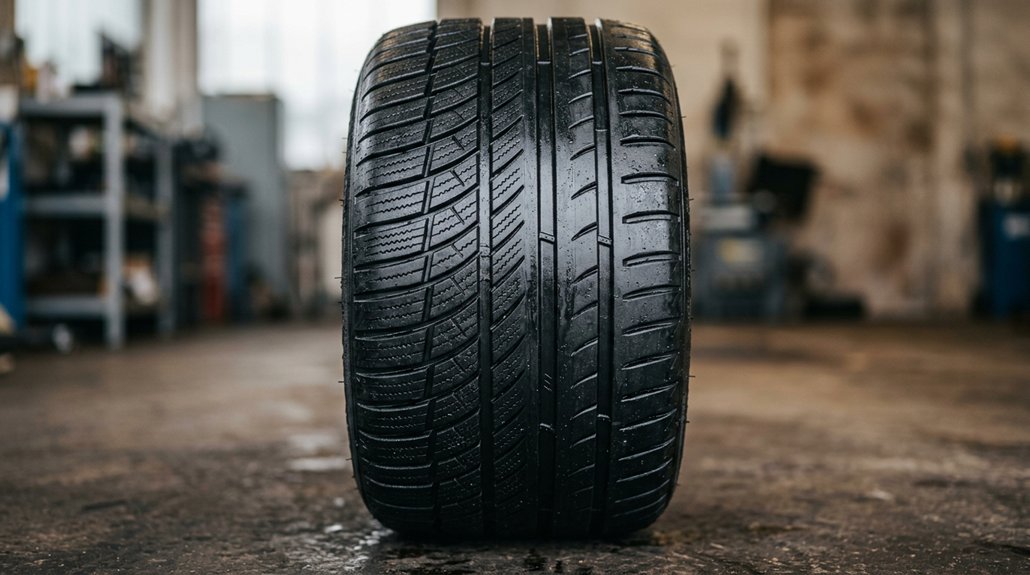
I want you to understand what separates a passenger tire from every other option on the market, because choosing wrong won’t just waste your money, it’ll compromise your safety. Most daily drivers I see run P-metric tires (the “P” stamped on the sidewall), yet few owners grasp why their sedan demands different construction than a truck carrying 3,000-pound loads.
You’ll need to know the hidden trade-offs between comfort ratings, speed symbols, and load indices before you make your next purchase.
What Makes a Tire a “Passenger” Tire?
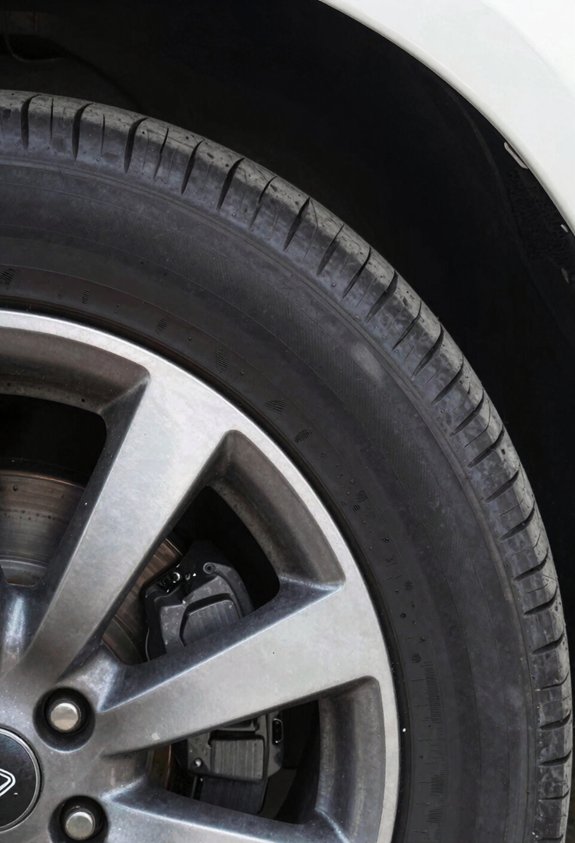
So, what exactly distinguishes a passenger tire from every other category you’ll encounter in the tire shop?
Passenger tires aren’t just another option on the wall—they’re purpose-built for your daily driver, with comfort and quietness engineered right into the rubber.
I’ve spent enough time comparing options to know that passenger tires occupy a specific, well-defined niche. They’re engineered exclusively for standard passenger vehicles, your sedans, coupes, crossovers, and minivans, prioritizing ride comfort and low road noise over rugged capability.
You’ll recognize them by their P-metric designation, which signals construction for lighter loads and moderate duty cycles. Their tread compounds and siping patterns optimize grip across wet and dry conditions, though I’d caution against expecting off-road performance or heavy hauling.
Models like the Michelin Destiny and Yokohama A Drive demonstrate this category’s range: touring-oriented comfort versus responsive handling. Stick within intended applications; deviation risks compromised safety and accelerated wear.
Passenger Tires vs. LT-Metric: What’s Actually Different
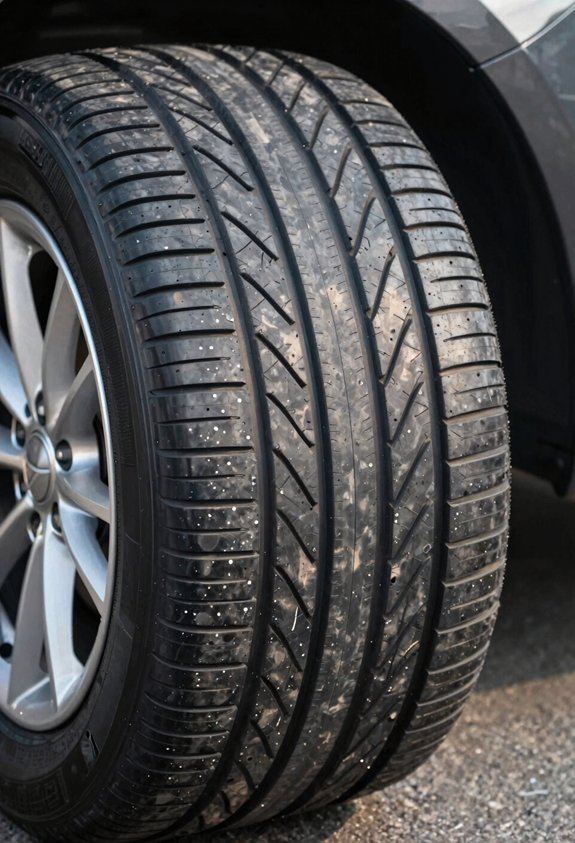
- P-metric: Highway-oriented, comfort-focused, adequate for 1,500-2,000 lbs payload ranges
- LT-metric: Heavy-duty, stiffer ride, essential for 2,500+ lbs or trailer tongue weights exceeding 10% of gross trailer weight
Many lightweight trucks arrive factory-equipped with P-metric rubber; however, switching to LT-metric becomes critical when adding aftermarket accessories, camper shells, or initiating routine towing near manufacturer thresholds. Exceeding rated load-carrying capacity generates catastrophic heat buildup, tread separation, and potential blowout conditions.
All-Season, Touring, or Performance: Which Fits Your Drive?
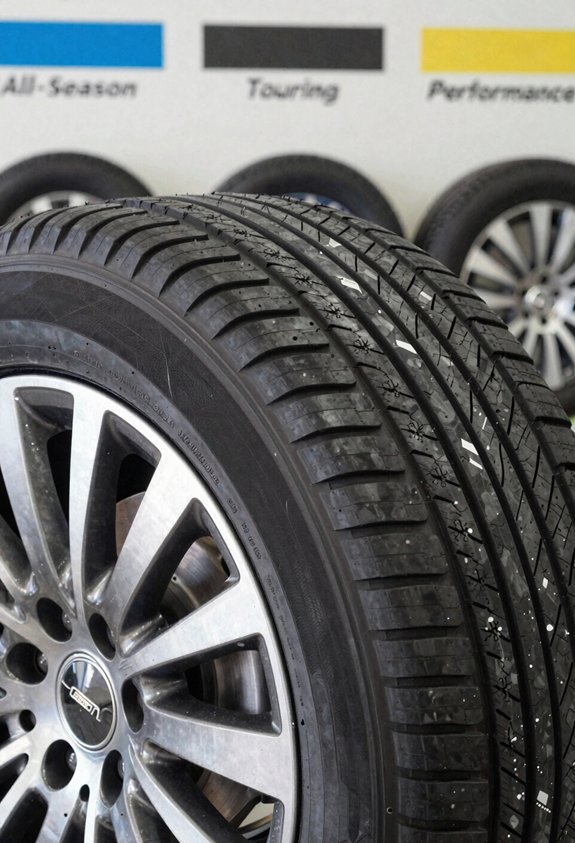
When you’re choosing among all-season, touring, and performance passenger tires, you’ll notice distinct differences in ride quality, load capacity ratings, and terrain compatibility that directly affect daily drivability and safety margins.
Touring tires typically deliver softer cushioning and higher comfort-oriented load ranges for highway cruising. Performance variants sacrifice some load capacity for stiffer sidewalls and responsive handling. All-season options balance moderate load ratings with tread patterns engineered for wet, dry, and light winter conditions.
Understanding these trade-offs, and where each subtype excels or falls short in terrain suitability, is essential before you commit to a set. Mismatched expectations about plushness, carrying capacity, or seasonal traction can compromise both longevity and road safety.
Ride Quality Differences
Comfort, arguably the most subjective yet consequential element of daily driving, hinges substantially on the tire category you select, and I want to guide you through how each major passenger tire variant delivers distinctly different tactile and acoustic experiences behind the wheel.
Among tire types, all-season tires typically provide superior ride quality through quieter, smoother operation, utilizing varied tread designs with abundant sipes that absorb road irregularities while balancing wet and dry performance.
Touring tires, engineered for higher speed ratings and extended tread life, optimize consistent wear patterns that maintain comfort over thousands of miles, though cornering grip remains modestly reduced compared to alternatives. Performance tires, targeting enhanced handling and grip at elevated speeds, employ stiffer construction and aggressive tread patterns that sacrifice acoustic refinement for precision response. Your priorities—comfort, longevity, or agility—determine which tactile experience belongs in your daily drive.
Load Capacity Factors
How much weight can your tires truly handle before safety becomes compromised? I’ll walk you through what matters.
Load Capacity Basics
Your tire’s load index, that number molded on the sidewall, directly dictates how much mass each tire carries. Exceed it, and you’re risking catastrophic failure.
Comparing Tire Types
Each category balances different priorities:
- All-season tires typically carry lower load indices, sufficient for daily commuting but inadequate for heavy hauling
- Touring tires blend moderate-to-high load capacity with comfort-focused construction for standard sedans and crossovers
- Performance tires often feature elevated load ranges supporting aggressive cornering, though stiffer sidewalls trade ride quality
When I choose tires, I match load capacity to my actual usage. Regular heavy loads demand LT-rated options; standard passenger tires won’t suffice.
Terrain Suitability Guide
Where you’re driving matters just as much as what you’re driving, since the terrain and conditions you’ll encounter directly determine which tire category, all-season, touring, or performance, will deliver the safety, longevity, and handling characteristics your vehicle demands.
Terrain Suitability and Passenger Tires
When I evaluate passenger tires for terrain suitability, I examine how each category responds to specific driving conditions:
- All-season tires handle wet, dry, and light snow with versatile tread patterns, making them ideal for year-round, varied climates
- Touring tires prioritize comfort, extended tread life, and smoother rides for daily highway commuting
- Performance tires deliver enhanced grip, sharper steering response, and cornering stability in warm, wet conditions
Your selection requires analyzing climate, load requirements, driving style, and vehicle specifications. Mismatching tire category to terrain compromises safety and durability.
When Passenger Tires Beat LT Tires (and When They Don’t)
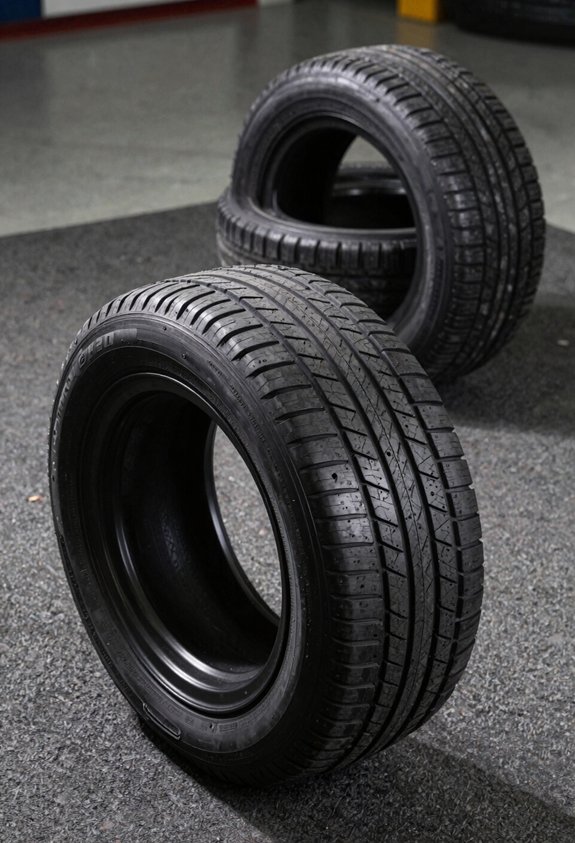
LT tires justify their harsher ride only under specific conditions:
- Consistent heavy towing near maximum vehicle ratings
- Sustained off-road use requiring deeper tread and puncture resistance
- Commercial hauling applications with daily weight demands exceeding passenger tire limits
Manufacturers typically recommend passenger tires for vehicles that tow only occasionally. The decisive factor remains your actual usage pattern; unless heavy loads define your driving routine, passenger tires emerge as the prudent, comfortable choice.
Decoding Passenger Tire Sidewall Numbers
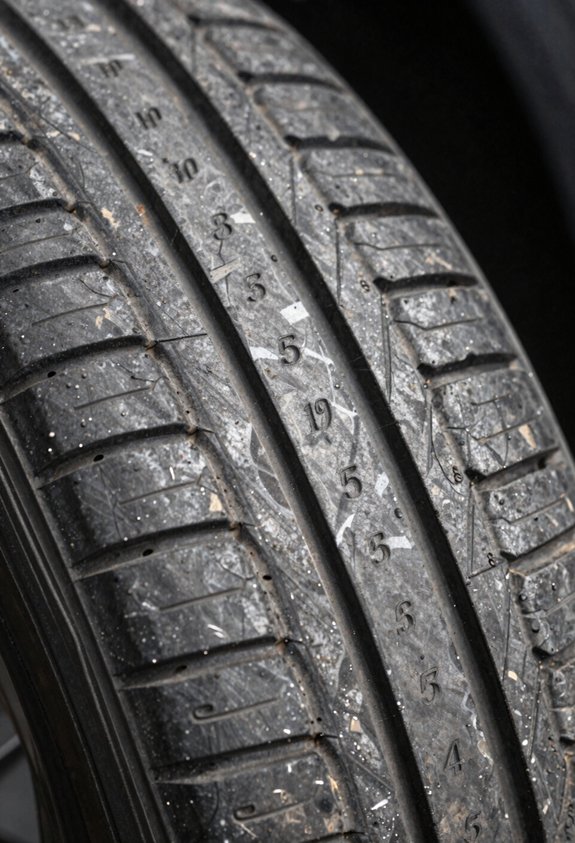
When I’m standing in a tire shop comparing options, I won’t find a separate instruction manual attached to each tire. Instead, every specification I need is molded directly into the sidewall, and learning to read these codes transforms an overwhelming purchase into a straightforward, informed decision.
Breaking Down a Typical Tire: P215/65R15 95H
| What I Feel | What the Code Means |
|---|---|
| Confidence in my purchase | P designates passenger tire type |
| Control over safety | 215/65 is tire width (mm) and aspect ratio |
| Belonging among informed drivers | R means radial construction; 15 is wheel diameter (inches) |
| Security for my passengers | 95 load index: maximum carrying capacity |
| Peace on every highway | H speed rating: safe up to 130 mph |
I check my tire size, load index, and speed rating against manufacturer specifications, because mismatches cause improper treadwear and dangerous handling.
Matching Your Daily Drive to the Right Passenger Tire
Consider these essential factors:
- Climate conditions, I prioritize all-season performance for regions with moderate winters, avoiding dedicated winter tires unless temperatures regularly drop below 45°F.
- Vehicle classification — P-metric passenger tires suit sedans and crossovers, whereas light trucks performing heavy towing require LT-rated alternatives.
- Driving style preferences — touring subtypes emphasize comfort and low noise, performance variants sharpen handling response, and low rolling resistance options maximize fuel efficiency.
I match my selection to actual usage patterns, never assuming one tire type serves every driver equally.