
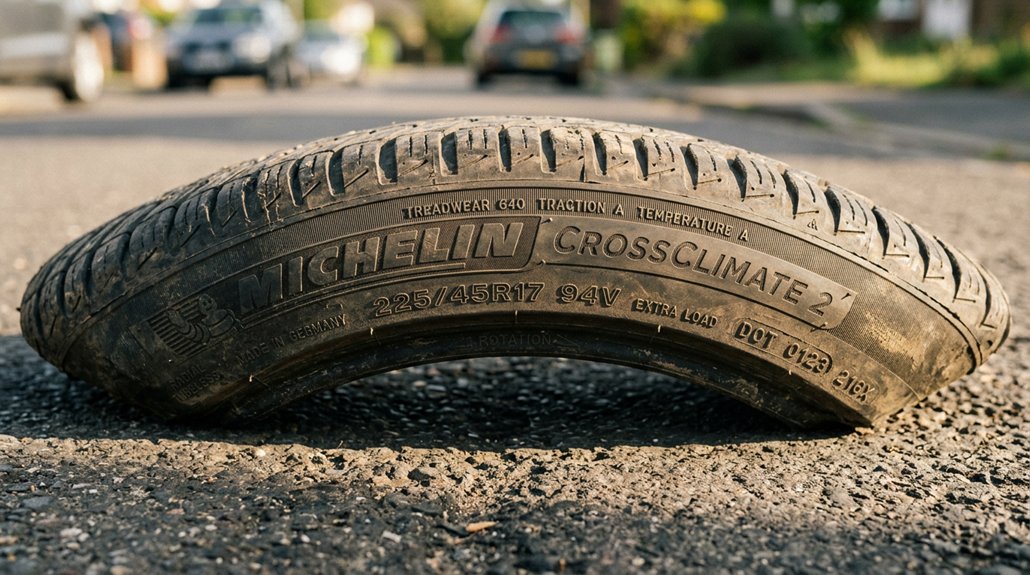
I’ve found that roughly 80% of drivers cannot interpret a tire sidewall beyond the brand name. This knowledge gap becomes dangerous the moment you need to replace a worn set or assess whether a roadside spare can handle highway speeds. What I’m about to outline could prevent you from installing a load-rated tire that fails under your vehicle’s actual weight, or from mismatching diameter that voids your warranty and compromises ABS function. Start here.
What Do Tire Numbers Actually Mean? (A Quick-Start Guide)
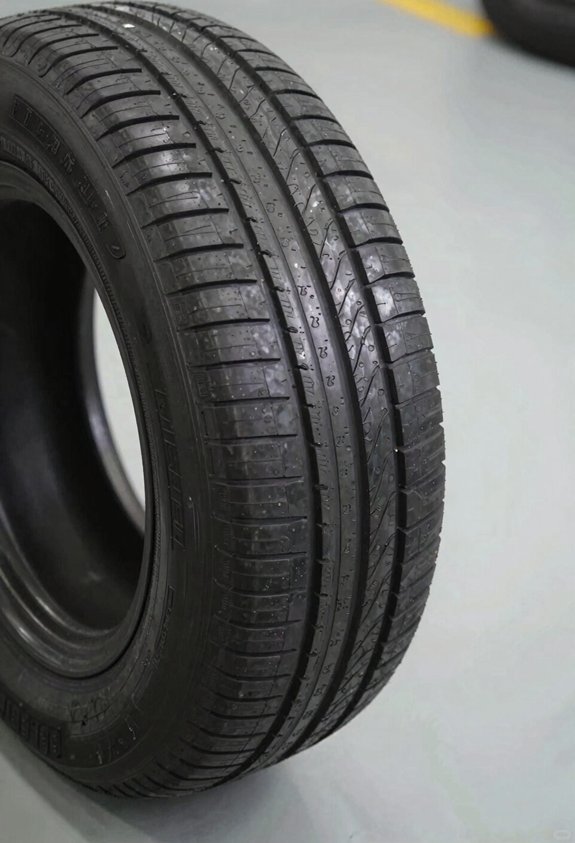
Ever wondered why a simple string like 225/50R16 can tell you almost everything you need to know about a tire? Let me break down what I’ve learned about reading tire size markings, because once you understand this code, you’ll never feel lost in the tire shop again.
Tire Size Components
That width number (225) measures millimeters from tire sidewall to sidewall. The aspect ratio (50) reveals tire sidewall height as a percentage of that width, so 50 means the sidewall equals half the width. The construction type follows: R means radial, the standard for modern passenger car tire designs. Finally, wheel diameter (16) appears in inches.
Critical Safety Ratings
After the size, you’ll spot numbers like 94V, the load index (94) and speed rating (V). Never ignore these; they protect you from catastrophic failure under stress.
Tire Type, Width, and Aspect Ratio Explained
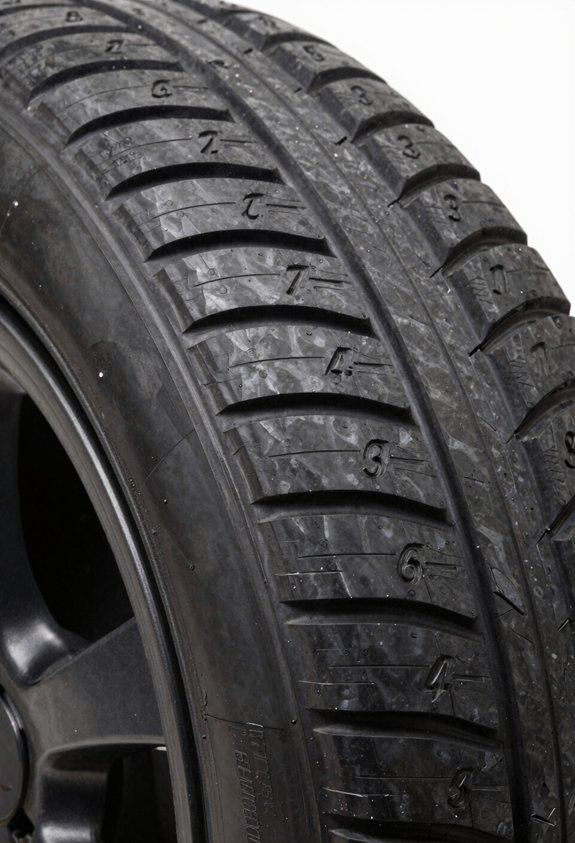
Why does the sequence P225/50R16, seemingly arbitrary at first glance, contain everything I need to select a tire that fits both my vehicle and my driving demands? Let me break it down for you.
Tire Type: The Letter That Defines Your Vehicle
The first character indicates tire type. P designates passenger vehicles, LT covers light trucks requiring heavier loads, and ST marks special trailer tires, each engineered for distinct operational demands.
P for passenger vehicles, LT for light trucks, ST for special trailers—each letter engineered for distinct operational demands.
Width: Measured in Millimeters
The three-digit number (225) represents tire width in millimeters, measured sidewall to sidewall across the tread.
Aspect Ratio: Sidewall Height Revealed
The two-digit number following the slash (50) is the aspect ratio, expressed as a percentage of width. A 50 aspect ratio means the sidewall equals 50% of the 225mm width, approximately 112.5mm. Higher ratios yield taller, softer-riding sidewalls. Lower ratios produce shorter, stiffer sidewalls that improve cornering response.
Construction Type and Wheel Diameter: Why Fitment Matters

- Radial tires dominate modern highways because their perpendicular cord arrangement reduces heat buildup and extends service life across diverse driving conditions
- Wheel diameter mismatches create immediate safety hazards, including bead separation, air loss, and catastrophic failure at speed
- The construction type directly influences load-carrying characteristics, particularly when selecting LT or ST tires for trailers and commercial applications
- Precise rim size alignment guarantees proper bead seating, maintaining the airtight seal essential for pressure retention and structural integrity
- Deviating from approved specifications voids warranties, compromises handling dynamics, and places you outside the engineering parameters your vehicle manufacturer validated
Load Index and Speed Rating: Your Safety Limits
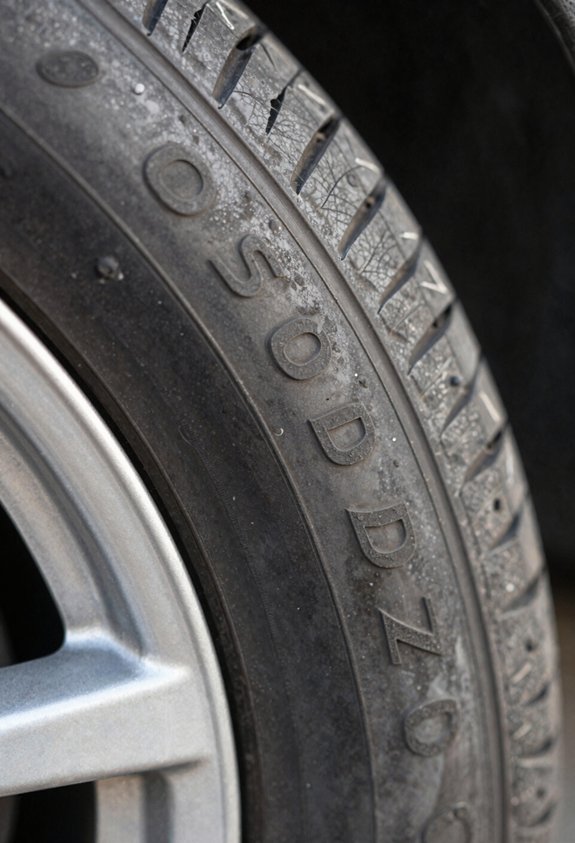
Locate the number immediately following the wheel diameter in your tire size string (e.g., 225/45R17 94 V). That two-digit figure is your load index, and it’s critical to vehicle safety.
Load Index: Your Weight Capacity
Your tire’s load index—typically 70 to 126—determines maximum weight capacity per tire, but only with proper inflation.
The load index translates directly to maximum load per tire, typically ranging from 70 (739 lbs) to 126 (3,748 lbs). Higher numbers mean greater tire capacity, but this only holds true with proper tire inflation. Underinflation dramatically reduces weight per tire capability. For ST or LT tires, you’ll often see dual load index values (e.g., 110/107), indicating different ratings for single versus dual rear axle configurations.
Speed Rating: Your Velocity Ceiling
The letter following your load index—V, H, W, or others—represents your speed rating, establishing maximum sustained speed limits. A V rating equals 149 mph; H equals 130 mph. Remember: your vehicle’s safe top speed equals your lowest tire’s rating, not your highest.
Understanding these tire markings guarantees proper tire sizing decisions that protect you and your passengers.
Can You Change Your Tire Size? Risks and Smart Alternatives
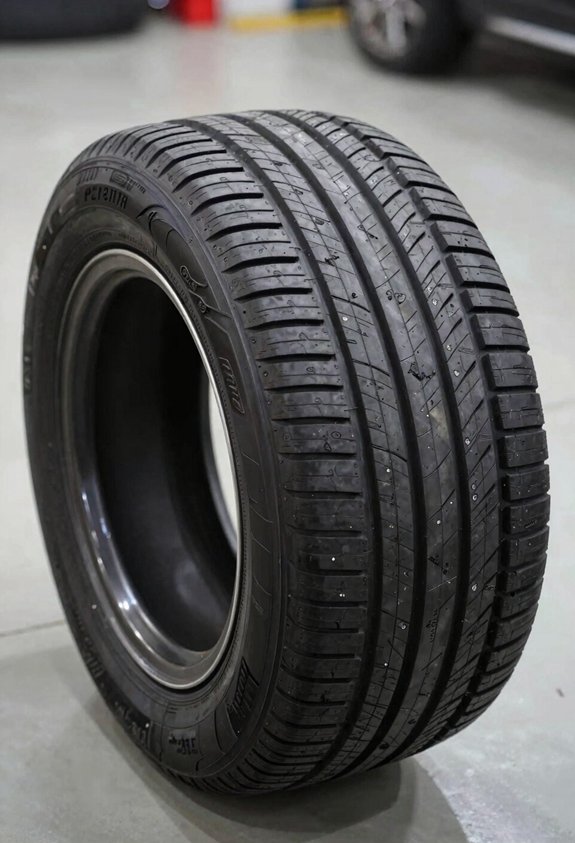
Swapping to a different tire size isn’t something I take lightly, because even minor dimensional changes ripple through your vehicle’s engineered systems in ways you might not anticipate.
Altering aspect ratio or wheel diameter throws off speedometer accuracy, gearing calculations, and ABS calibration. Increased width risks rubbing/clearance against fenders, suspension, or brake lines.
Mismatched load index and speed rating compromise load capacity and safety margins. Deviations from OEM-recommended sizes degrade road handling, range, and tire wear, especially in EVs and heavy-duty applications.
Always consult a tire professional to verify compatible tire size options. I stick to manufacturer specifications or approved alternatives, because guessing invites expensive failures.