
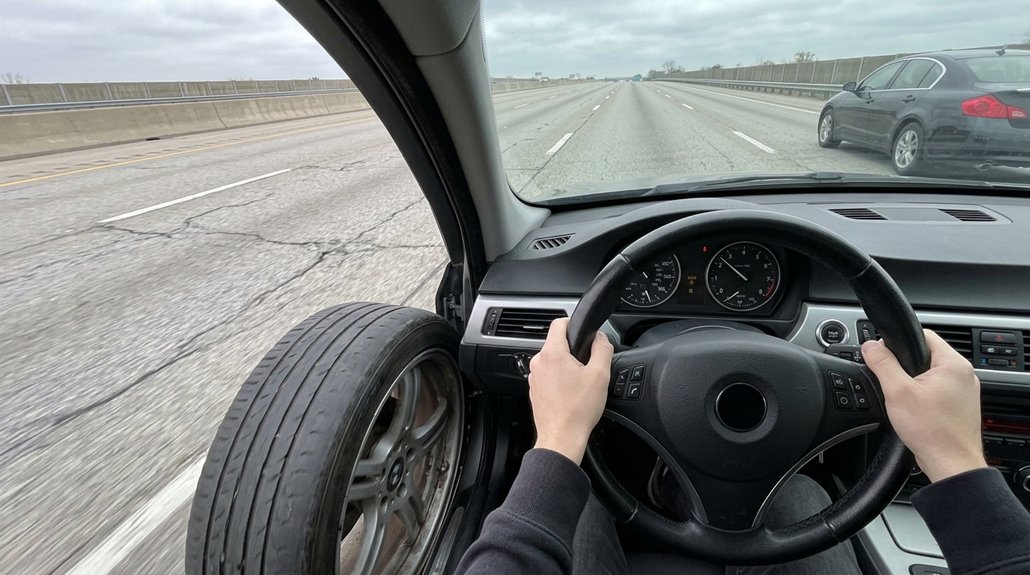
I’ve guided hundreds of drivers through alignment diagnostics, and I can tell you that recognizing early warning signs saves thousands in premature tire replacement. Your steering wheel, tire wear patterns, and vehicle stability provide clear, measurable indicators of misalignment, indicators most drivers ignore until it’s too late.
What follows are the five critical signals you need to monitor.
Crooked Steering Wheel? How to Spot Alignment Issues at a Glance
Don’t dismiss these signals. An alignment check serves as both diagnostic confirmation and preventive intervention, protecting your tires and restoring predictable control before measurable damage accumulates.
Why Your Car Pulls Left or Right on Straight Roads
- Camber, toe, and caster angles must stay within manufacturer specifications, typically ±0.5° for most vehicles, to maintain neutral steering behavior.
- Potholes, curb impacts, and normal suspension wear progressively alter alignment geometry, making periodic inspection important for drivers who value predictability.
- Steering drift correction requires professional equipment measuring thrust angle, setback, and steering axis inclination, not DIY guesswork.
Uneven Tire Wear Patterns That Signal Misalignment
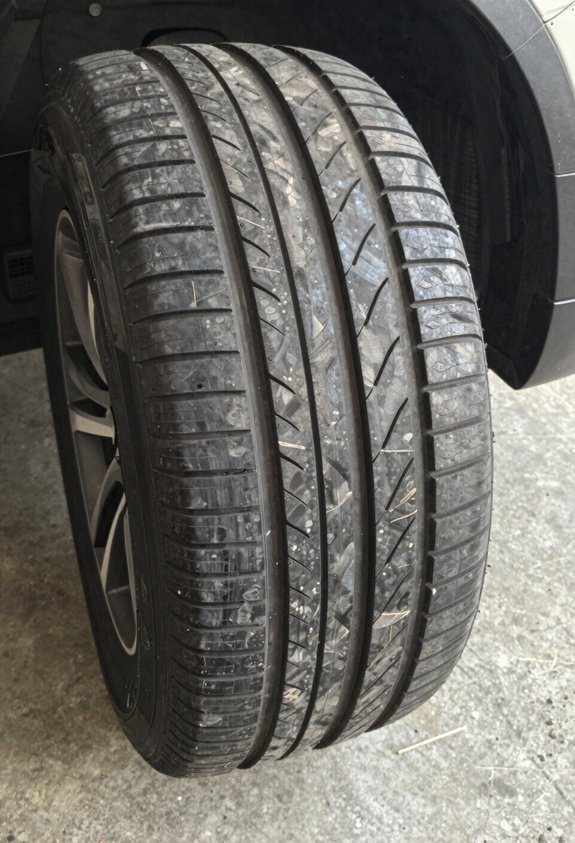
How often do I inspect my tires for wear patterns that silently betray misalignment geometry? I look for uneven tire wear, particularly feathering, a sawtooth edge pattern caused by toe wear, or smooth, angled inner tread wear and outer tread wear indicating camber wear.
When my tires show rapid deterioration on one edge while opposite edges remain relatively fresh, I recognize classic misalignment signs requiring immediate tire alignment. I don’t ignore an off-center steering wheel at highway speeds, nor do I dismiss persistent steering pull demanding constant correction.
These visual diagnostics, quantifiable tread depth variations exceeding 2/32 inch across the same axle, reveal whether toe angles deviate from factory specifications (typically ±0.10 degrees) or camber exceeds manufacturer tolerances. I replace tires prematurely when I delay addressing these geometric faults.
Loose, Wandering Steering and What It Means for Alignment

My vehicle pulls unpredictably, demanding constant attention to maintain lane position. The wheel sits crooked during straight driving, betraying hidden misalignment. Slower self-centering after turns signals deteriorating geometry, accelerating uneven tire wear.
I don’t ignore these warnings; I schedule an alignment check immediately, protecting both safety and how long my components last.
Steering Wheel Vibrations and When to Schedule an Alignment Check

Combined Indicators Requiring Immediate Attention:
- Persistent shaking above 60 mph
- Visible tread irregularities across tire surfaces
- Vehicle drift requiring constant correction
When to Schedule Your Alignment Check
Don’t delay; uneven tire wear accelerates rapidly under misaligned conditions. I recommend booking a professional alignment within 500 miles of detecting these symptoms, preventing costly tire replacement and restoring stable handling.