
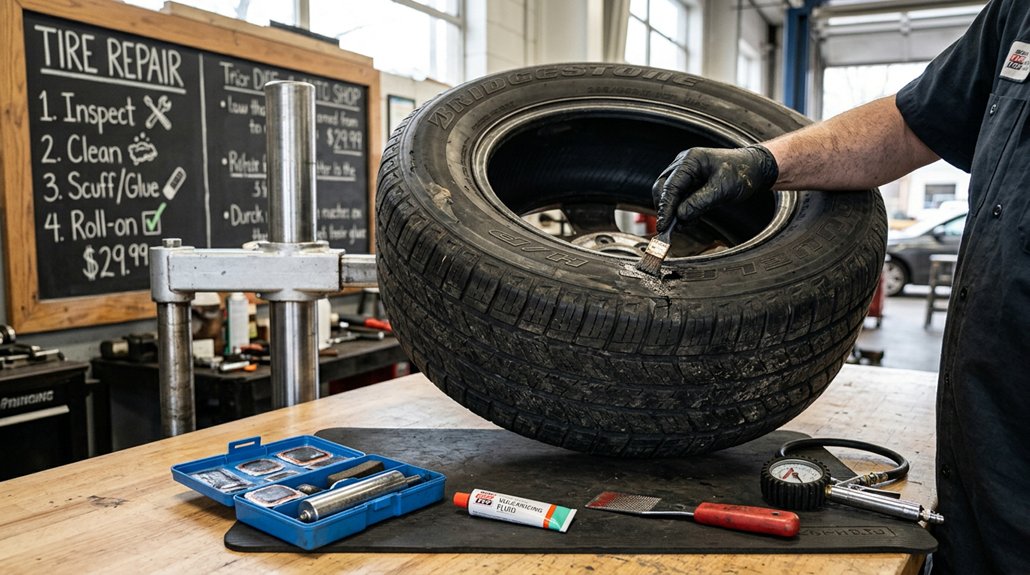
I’ll walk you through exactly what you’re paying for when a tire shop patches your tire, because the $15–$35 range covers far more than a simple rubber plug.
Labor, specialized equipment, and safety protocols drive these costs.
Understanding the 8-step repair process will help you spot overcharging, or recognize when replacement is your only safe option.
Let’s break down where your money goes, why prices vary dramatically between shops, and how to avoid getting patched twice for the same leak.
How Much Is a Tire Patch? $15–$35 in 2024
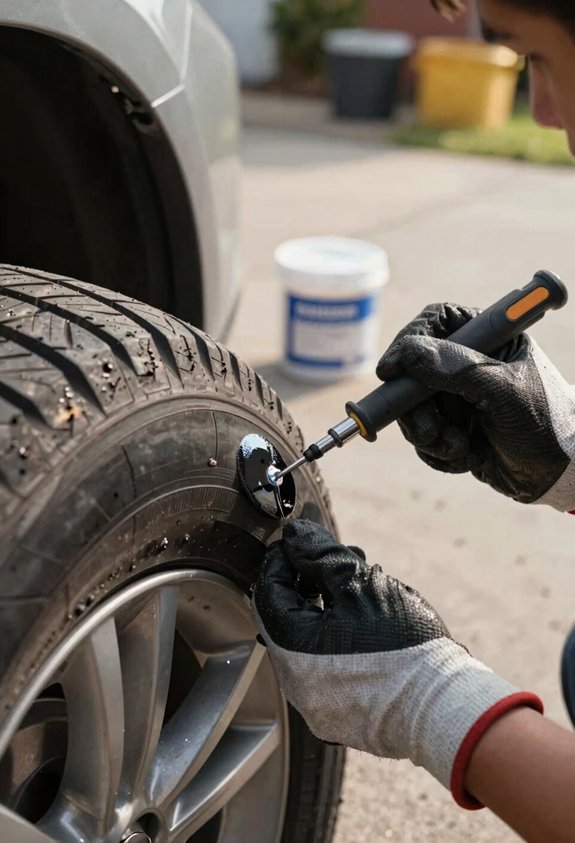
Why does tire patching cost what it does, and what exactly are you paying for when you bring a punctured tire to the shop? I’ll break down what I’ve learned about tire patch pricing so you know what to expect.
Typical Cost Breakdown
A standard tire patch runs $15–$30 per tire at most tire shops. This price covers removing the tire from the rim, inspecting the damage, applying the inside patch, resealing, remounting, and rebalancing. You’re not just paying for materials, you’re paying for skilled labor and safety verification.
Patch-Plug Combo: The Gold Standard
While a basic patch repair works temporarily, I always recommend the patch-plug combo. It costs slightly more but delivers lasting reliability by sealing both the inner liner and the puncture channel. Most professionals consider anything less insufficient for highway speeds.
Factors Affecting Your Price
Some shops add surcharges for low-profile tires, run-flats, or heavy truck applications.
Why One Shop Charges $15 and Another Charges $50
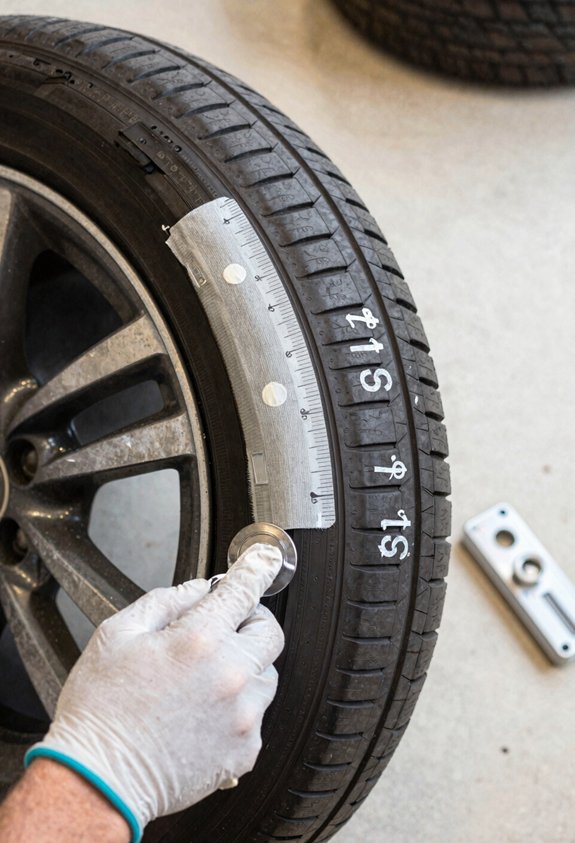
| What You’re Getting | How You’ll Feel | What It Costs |
|---|---|---|
| Basic patch, rushed job | Anxious, uncertain | $15 |
| Patch-plug, full service | Confident, protected | $35–$50 |
| Skipped steps, hidden risks | Betrayed, stranded later | Your safety |
How Shops Patch a Tire: The 8-Step Inside-Out Process
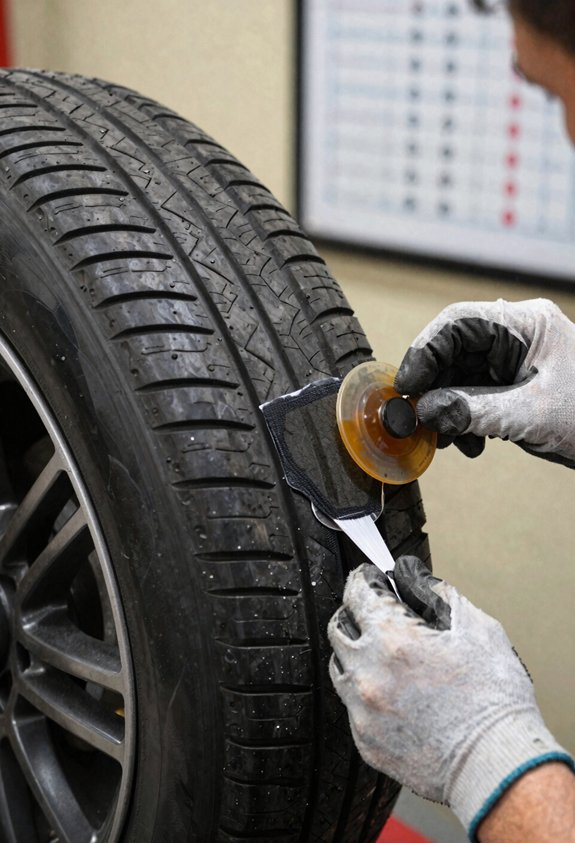
Step 1: Dismount & Inspect
I remove the tire from the wheel, inspecting for damage in the tread area. Sidewall punctures disqualify the tire from patch repair entirely.
Step 2: Buff & Prep
I grind the inner liner, creating a clean surface for adhesion.
Step 3: Apply Vulcanizing Cement
This chemical bond makes the patch fuse permanently with the tire rubber.
Step 4: Install Patch-Plug
I use a patch-plug combination, not patch-only, for maximum durability.
Steps 5–8: Cure, Roll, Remount, Balance
I cure the repair, remount the tire, balance the wheel, and reinstall. Total time: 20–30 minutes. This inside-out repair justifies the cost through safety and longevity.
Tire Patch vs. Plug: Which Repair Do You Need?
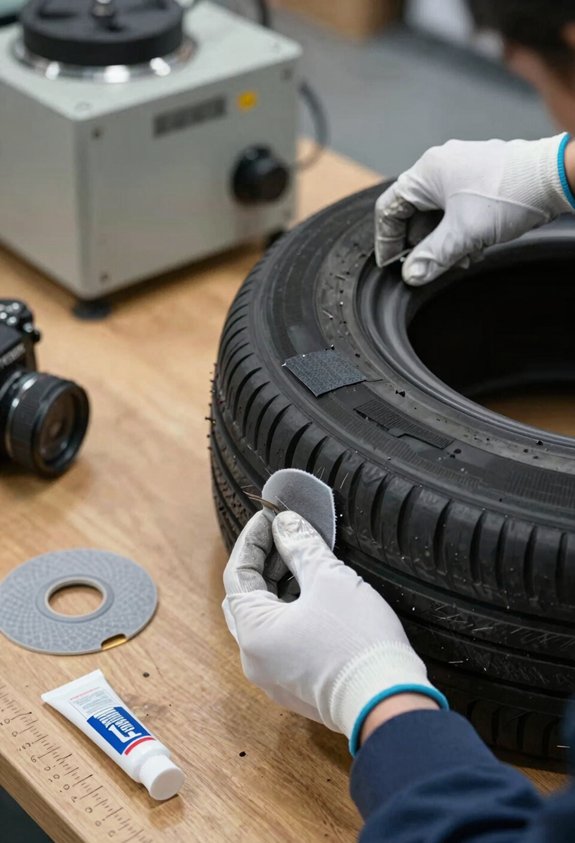
Now that you’ve seen how I perform a proper inside-out patch repair from start to finish, you’re probably wondering whether you actually need a patch, a plug, or some combination of the two when you roll into a shop with a puncture in your tread.
Let me break this down for you:
- A tire plug alone seals from outside but leaves your inner liner exposed to moisture and corrosion
- A tire patch bonds to the inner liner but doesn’t fill the puncture hole completely
- The patch-plug combo seals both the inner liner and the puncture channel, giving you the safest, most durable tire repair
Here’s what you need to know: I never recommend a standalone tire plug or patch as a permanent solution. For nails and similar objects in the tread area, insist on a patch-plug combo. Sidewall damage? That’s a replacement, not a repair. Expect this proper tire repair to cost $20–$50, including rebalancing.
When You Can’t Patch a Tire: Replacement Cost and Safety
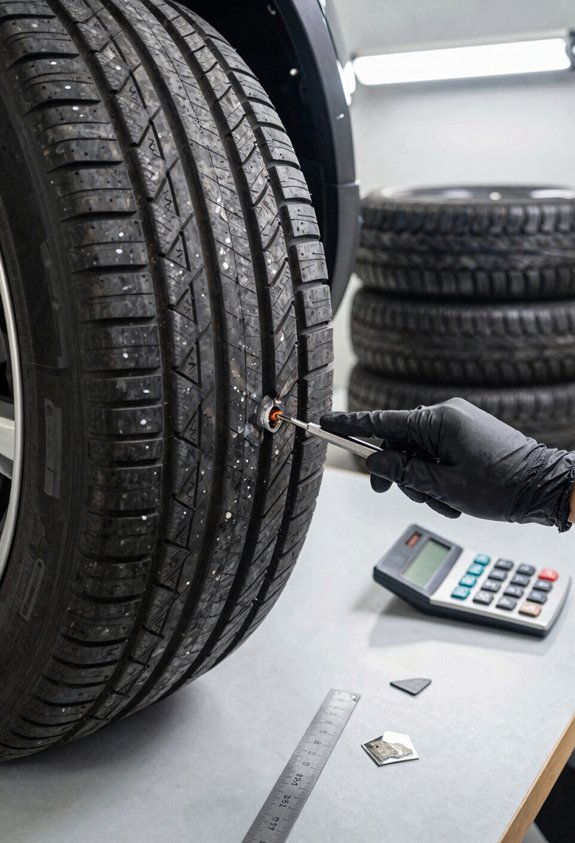
When patch-plug combo repairs aren’t possible, you’re facing full tire replacement, which typically runs $100–$300+ per tire depending on size and brand, far exceeding the $20–$50 cost of a proper repair. Check your road hazard warranty; many policies cover replacement when damage occurs within coverage periods.
I always emphasize that tire maintenance includes knowing when to walk away from a repair. Your safety, and that of everyone sharing your road, depends on respecting these limits without compromise.
How to Make This Your Last Tire Patch
I want to share how you can make this your last tire patch by adopting three critical maintenance habits. Rotate your tires regularly (typically every 5,000–8,000 miles, or as your manufacturer specifies), maintain proper inflation (checking monthly with a reliable gauge, since underinflation causes excessive flexing and heat buildup that weakens sidewalls), and inspect tread depth (using the quarter test, inserting a quarter into multiple grooves to confirm adequate remaining depth, which affects traction, hydroplaning resistance, and puncture vulnerability).
These practices, when combined, distribute wear evenly, reduce structural stress points that attract road debris, and preserve the tire’s ability to deflect nails and screws before penetration occurs.
Rotate Tires Regularly
Tire rotation stands as one of the most consequential maintenance practices you can adopt if you’re determined to avoid returning to the repair shop with another puncture, because uneven tread wear, whether caused by front-wheel-drive torque steer, rear-wheel camber issues, or simple weight distribution differences, creates thin, stressed sections that patches simply cannot hold as effectively over time. When you rotate tires regularly, you distribute forces evenly, extending the life of any existing tire patch and reducing patch cost over your ownership period.
I follow a strict tire rotation interval of 5,000–8,000 miles, aligning it with my service interval for convenience. For AWD tire rotation, I insist on professional service with proper wheel balancing and a TPMS check afterward.
- Shoulder blocks wearing thin like eroded riverbanks, vulnerable to puncture
- Center ribs hardening into slick, patch-rejecting surfaces
- Diagonal scalloping creating rhythmic hums that signal impending failure
Maintain Proper Inflation
I’m deliberate about this because tire patching after a tread puncture already demands rim removal, vulcanization, and rebalancing. That’s a patch repair cost of $20–$50 I’d rather not repeat.
Industry guidance confirms that even the safest patch-plug combo cannot compensate for structural degradation from poor inflation, and no ethical shop approves safety/sidewalls repair anyway. I treat proper pressure as maintenance that protects my investment.
Inspect Tread Depth
Why gamble on another patch repair when worn tread virtually guarantees you’ll need one? I inspect my tread depth religiously, because once you drop below 2/32″, you’re inviting repeated punctures that demand patch-plug combo fixes nobody wants to fund twice.
Let’s look at reality together:
- Rain channels that once channeled water now lie flattened, bald ribbons rushing toward hydroplanes
- Steel belts shimmer through rubber like bones through skin, vulnerable to every nail and shard
- Penny tests fail, Lincoln’s head fully visible, marking the end of safe performance
My safety guidance is uncompromising: shallow tread area coverage prevents proper interior patch adhesion, extending repair duration and inflating cost estimate. A tire professional performs tire removal for legitimate patch-plug combo work, but worn tires reject lasting seals. Prioritize tread depth; we’re protecting each other from catastrophic failure.