
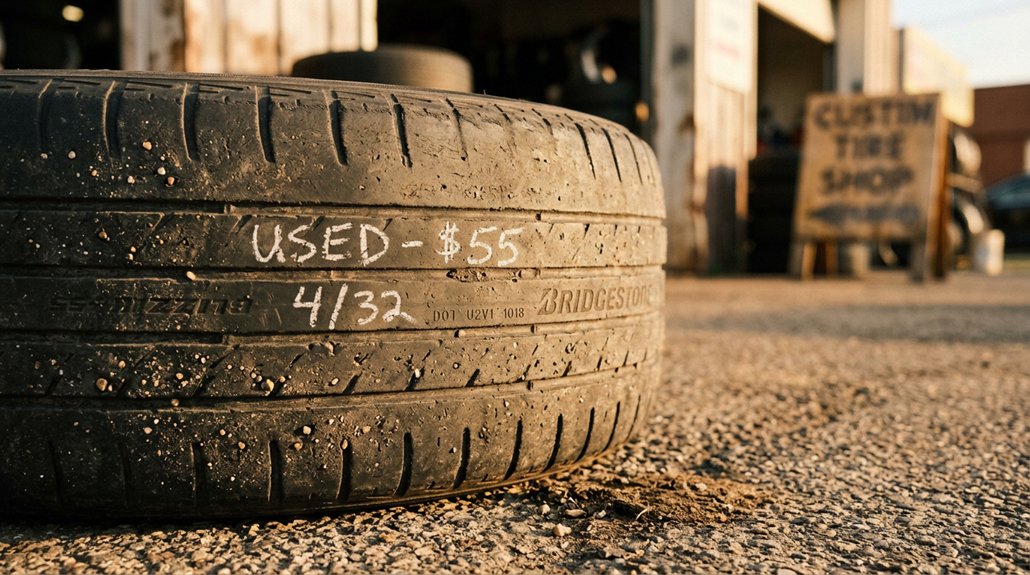
Last winter, I watched a $40 used tire blow at 60 mph because its sidewall had aged beyond saving. Money “saved” became a 3-car pileup.
You need hard numbers, not guesses, to avoid the same trap. Here’s what I know.
What Used Tires Cost by Condition and Size
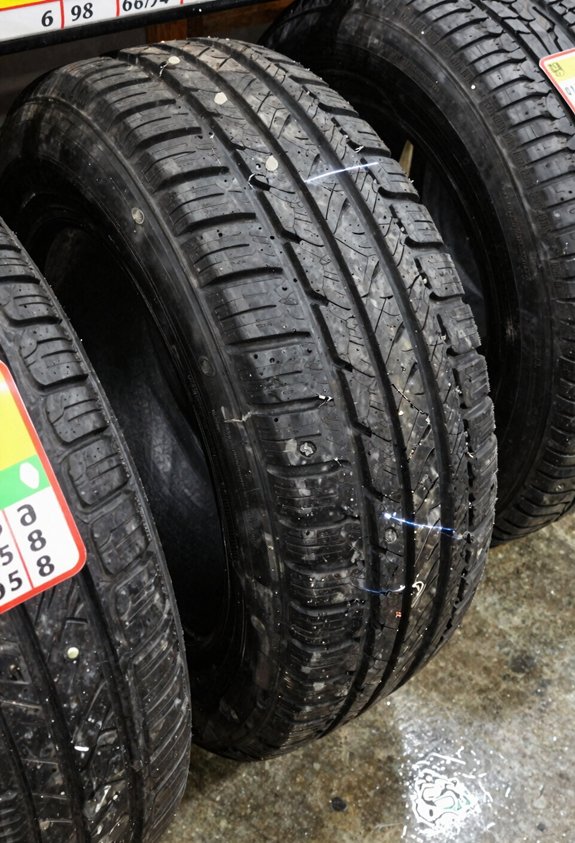
Tires retaining 10/32″–12/32″ of tread command premiums, while those approaching 2/32″ (the legal wear limit) sell at steep discounts. This tread life differential often creates price spreads exceeding $50 within identical models.
Size Considerations
Larger passenger and light truck tires, including 17-inch and above, generally outprice smaller 14-inch–16-inch options. Premium brands and performance categories (all-season, winter, performance) further elevate costs. Newer manufacture dates, under 5–6 years, also sustain higher valuations compared to aging inventory.
How Age, Tread, and Brand Affect Used Tire Prices
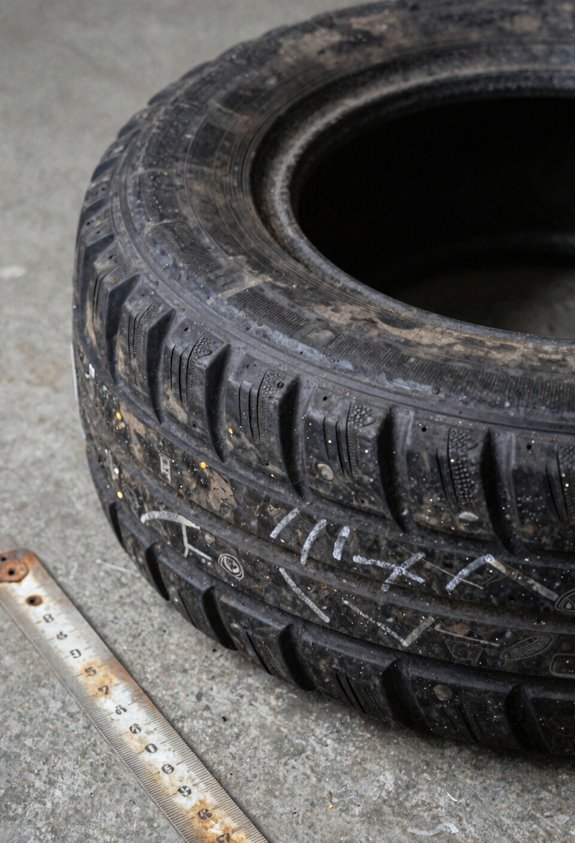
Why do some used tires sell for $40 while nearly identical sizes fetch $150 or more? I’ve learned that three hidden factors separate bargains from rip-offs, and understanding them keeps you in the know with fellow smart shoppers.
Tread depth determines how many miles remain; I won’t buy below 6/32-inch, since anything less compromises wet traction and accelerates replacement costs.
Tire age matters enormously. Manufacturing dates within five years command premium prices, while older rubber degrades internally regardless of appearance.
Brand reputation stabilizes resale value; I gravitate toward established names because their original engineering quality persists even when used.
Premium brands and high-performance models retain value better, but I’ve found reliable mid-tier options offer the best entry point for budget-conscious drivers who refuse to sacrifice safety.
Used vs. New: The Real Cost Per Mile
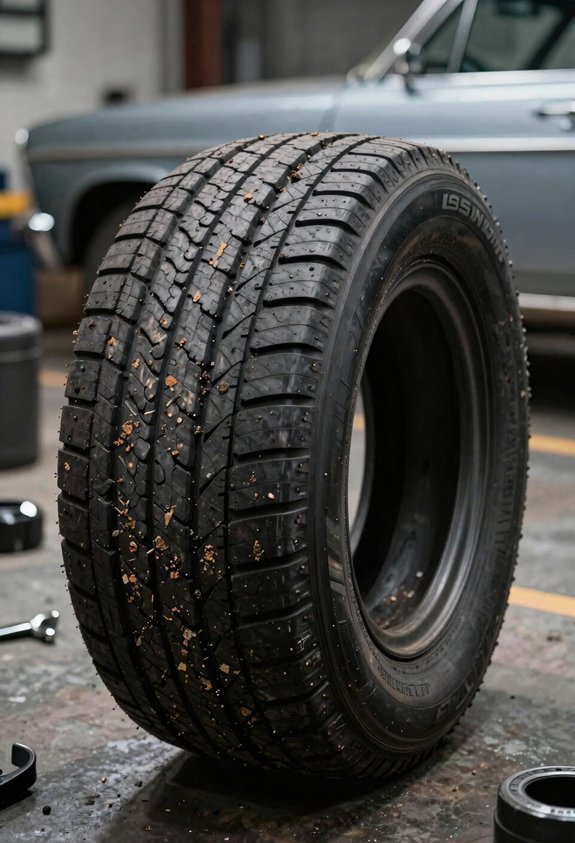
When I compare used and new tires strictly by the numbers, I find that surface price tags tell only part of the story. I need to calculate what I’m actually paying per mile of service to determine genuine value.
| Factor | Used Tires vs. New |
|---|---|
| Initial Price | $25–$160 (30–50% of new) |
| Cost Per Mile | $0.0025–$0.0035 vs. $0.0018–$0.0028 |
| Typical Savings | 28–48% on high-tread models |
| Premium Brand Resale | Limited discount potential |
| Added Value | 30-day guarantees, road-hazard coverage |
I’ve noticed that used tires often carry a slightly higher cost per mile despite lower upfront costs, since remaining tread life compresses total mileage. However, when I factor in warranties some dealers bundle with used tires, the gap narrows considerably for my budget-conscious community seeking smart compromises without sacrificing road readiness.
The Hidden Costs of “Cheap” Used Tires
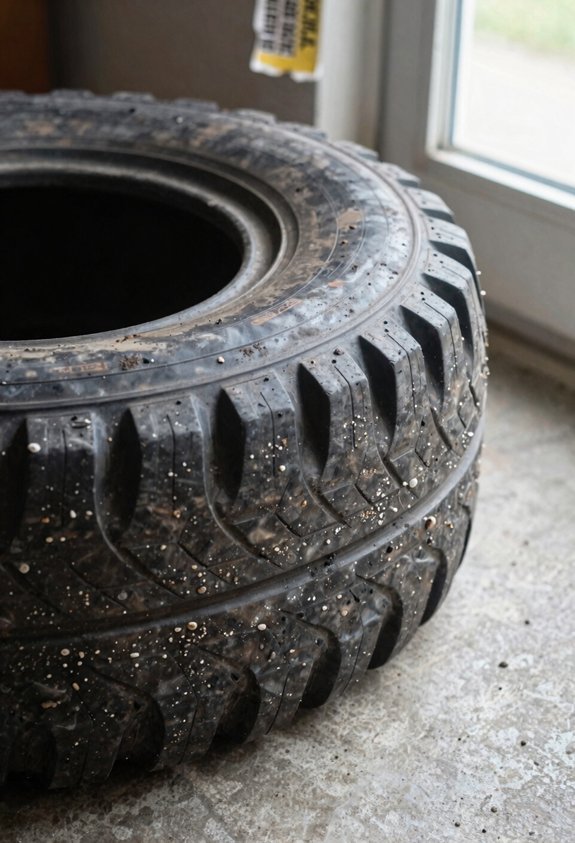
Mounting, balancing, and service fees (sometimes bundled obscenely into “package deals”) inflate my out-of-pocket total substantially.
Absent or minimal warranties expose me to defect-related replacement costs I’d bear entirely alone. Shallow tread depth (nearing the 2/32″ legal minimum) or aged rubber forces earlier re-purchase, compressing my value timeline.
I’ve learned that a four-tire set, post-installation, can approach or surpass comparable new tire pricing, particularly when I’m covering undisclosed road-hazard add-ons or seeking longevity my bargain simply cannot deliver.
When Used Tires Are Worth the Risk
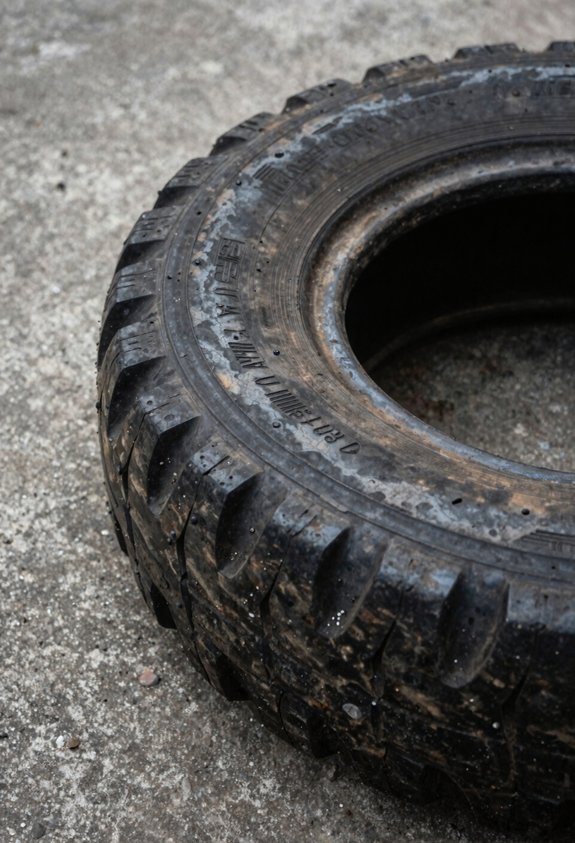
I’ll walk you through two specific scenarios where used tires justify their inherent risks, provided you verify critical details beforehand.
Temporary Budget Solutions make sense when you’re facing immediate financial constraints and need safe, legal tread to bridge a short gap, perhaps 3–6 months, until you can afford new tires or your lease ends. Verified Low Mileage becomes your non,negotiable filter: demand documentation showing 10/32″ remaining tread (or near it), manufacturing dates within 2–3 years, and preferably a single prior owner, because tires with 5–6 years of age carry accelerated rubber degradation regardless of how they look.
I’m urging you to inspect sidewalls for dry rot, press for inspection records, and walk away from any seller who can’t confirm these specifics, since the 30–50% savings disappear fast if you’re replacing a failed used tire in six months.
Temporary Budget Solutions
Sometimes, you’re staring at a flat, a blowout, or tread that’s worn past legal limits, and your bank account simply won’t accommodate a $400-$800 outlay for new rubber, so you ask yourself whether a used tire might bridge the gap without compromising your safety more than absolutely necessary. Used tires, ranging $25-$160 (often near $50), offer genuine budget solutions when you’re in a bind, and I’ve found that accepting 80% tread or even 4/32″ remaining can suffice for temporary, short-term mobility.
Critical Considerations for Temporary Use
- Finance a full set weekly ($53/week, $20 down) with services included if spreading cost helps
- Verify location-based pricing variability, as small shops fluctuate around that $50 mark
- Demand a 30-day guarantee minimum; never skip warranty protection on temporary purchases
Verified Low Mileage
| Verification Factor | Acceptable Threshold | Red Flag |
|---|---|---|
| Tread depth | ≥6/32″ | <4/32" (near replacement) |
| Manufacture date | 0–5 years | 6+ years (rubber degradation) |
| Documentation | Mileage records provided | No history available |
Even pristine-looking low-mileage tires deteriorate after five to six years, so I never compromise on age verification. At roughly $50 per tire, you’re joining a community of smart shoppers who want road-hazard coverage, rotations, and repair guarantees.
I always insist on documented history: previous repairs, accident exposure, removal circumstances, before committing.
How to Spot Overpriced Used Tires Before You Buy
I always start by comparing the seller’s asking price against new tire costs, since used tires typically run 30–50% of retail and anything approaching full price signals poor value.
Next, I inspect tread depth carefully, aiming for 80% remaining or at least 4/32″ for safe performance, while checking the DOT manufacture date to make sure the tire is under five years old. Rubber degradation accelerates significantly beyond that threshold regardless of apparent wear. These three checks, performed systematically, protect me from paying premium prices for tires that lack structural integrity or remaining service life.
Compare New Prices
- Premium brands with 70%+ remaining tread command prices approaching 50% of retail, effectively eroding your savings margin
- Bundled services, road-hazard coverage, lifetime rotations, financing, can mask inflated base costs, requiring careful mathematical disaggregation
- Tires exceeding 5–6 years from manufacture date should trigger automatic discount expectations, regardless of surface appearance
I always cross-reference the specific model’s new replacement price before committing; superficial “savings” evaporate when you’re repurchasing prematurely.
Inspect Tread Depth
How exactly do you know whether a used tire’s price actually matches its remaining value? I always start by getting the tread depth measured, because this single measurement tells you nearly everything about what you’re actually paying for.
Minimum Safe Thresholds
When I’ve inspected for tread on used tires, I won’t consider anything below 4/32″, though 5/32″ or higher gives you real safety margin and better value. Sure, 2/32″ is technically legal in most places, but that’s practically bald: dangerous in rain, unreliable in emergencies.
Pricing Tiers You Should Know
Tires showing 8/32″–10/32″ command higher prices for good reason: you’re buying years of service, not months. I check multiple spots across each tire, because uneven wear hides alignment problems that’ll cost you later. Uniform tread depth means honest value.
Verify Tire Age
Where exactly does hidden depreciation lurk in a tire that still shows respectable tread?
The answer lies in tire age, which compromises structural integrity even when rubber appears intact. I always decode the manufacture date stamped on the sidewall; those four digits revealing week and year of production matter because rubber compounds degrade through oxidation, not just wear.
Here’s what surveillance of tire age demands:
- Reject any tire exceeding 5 years from manufacture date, regardless of tread depth
- Treat 8+ year tires as structurally compromised, with elevated failure risk
- Verify manufacture date transparency; obscured or omitted codes signal deceptive pricing
I compare manufacture date across inventory, recognizing that newer fabrication with moderate tread often outperforms aged, high-tread alternatives. Your safety network deserves this diligence.
Where to Find Fair Used Tire Prices Near You
Why might a driver pay $50 at one Chicago shop yet $90 elsewhere for comparable tread? I’ve learned that used tires typically run $25 to $160, commonly 30–50% below new tire price points, but location and bundled services create wide variance. Some Chicago-area shops list tires near $50, while others fold in road hazard warranties, rotations, or mounting, pushing totals higher.
I recommend seeking 80% tread or better, plus 30-day guarantees, for genuine value. Watch for weekly payment plans (around $53/week with $20 down) if upfront costs strain your budget. Compare whether quotes include installation or stand alone. I always verify what’s bundled before committing, making sure I don’t overpay for hidden fees that inflate the apparent bargain.
Why Some Shops Refuse to Install Used Tires
So what exactly prompts a reputable technician to decline a perfectly serviceable-looking tire?
I’ve learned that liability concerns drive many shops’ refusal to mount used tires, even when they appear intact. Some Americas Tire locations stock lightly used tires at individual store discretion, yet no nationwide policy mandates acceptance, creating patchwork availability that leaves drivers scrambling.
Hidden internal damage, such as sidewall separation, belt shifting, or prior impact trauma, often eludes visual inspection. Warranties rarely transfer with used tires, exposing shops to customer disputes when premature failure occurs. Insufficient tread depth or irregular wear patterns may render tires non-compliant with state safety standards.
Reputable technicians perform multi-stage inspections assessing tread depth, structural integrity, and durability, yet some still decline rather than risk their reputation. Pre-mounted used tires from reputable sellers can represent savings, but I’ll warn you: undisclosed damage and absent warranties shift substantial risk onto your shoulders.
Choose: Save Money or Play It Safe With Used Tires?
When you’re weighing $50 used tires against $120 new ones, I urge you to examine age and wear patterns first. Tires exceeding 5–6 years deteriorate internally, even with visible tread. I recommend prioritizing higher tread depth percentages, requesting 30-day guarantees, and calculating total ownership costs including installation and rotation services.
You don’t face an either/or proposition. I’ve learned that selective used purchases, prioritizing condition over rock-bottom prices, let you preserve both wallet and wellbeing. The smartest choice I’ve observed blends frugality with informed caution.