
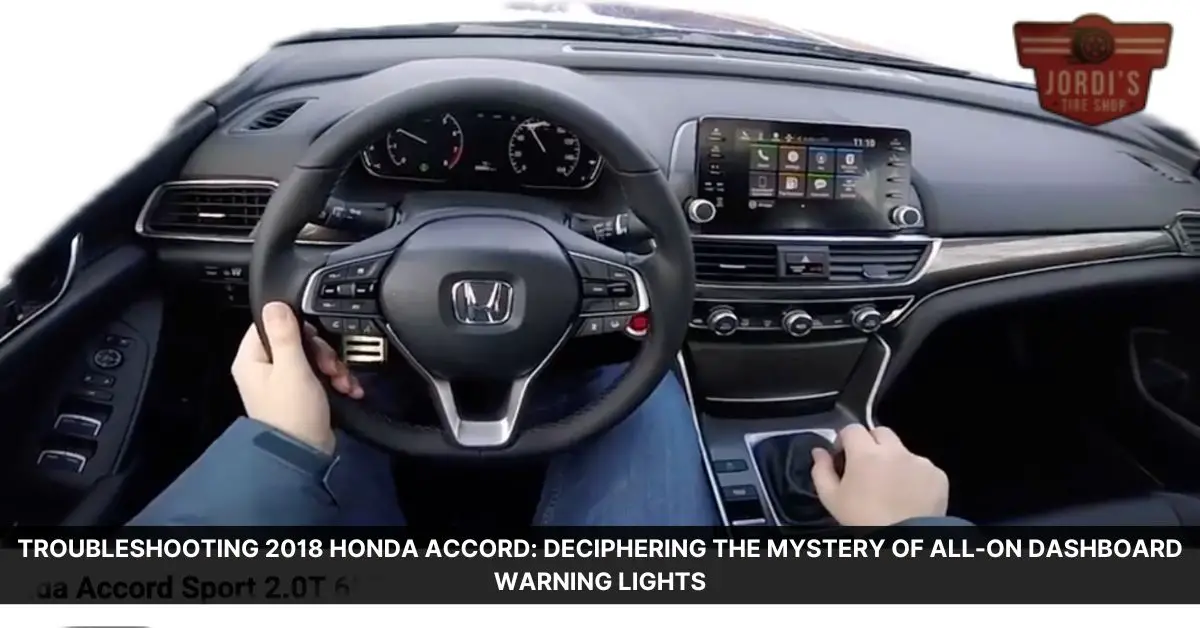
Ever had a moment of panic when all the warning lights on your 2018 Honda Accord suddenly light up? You’re not alone. This common issue has left many drivers scratching their heads, wondering what could be wrong.
In this text, we’ll investigate into the possible reasons behind this automotive enigma. We’ll break down the meaning of each warning light, and what your car might be trying to tell you. Buckle up as we navigate the industry of warning lights together, and help you get back on the road with confidence.
Understanding the 2018 Honda Accord’s Warning Lights
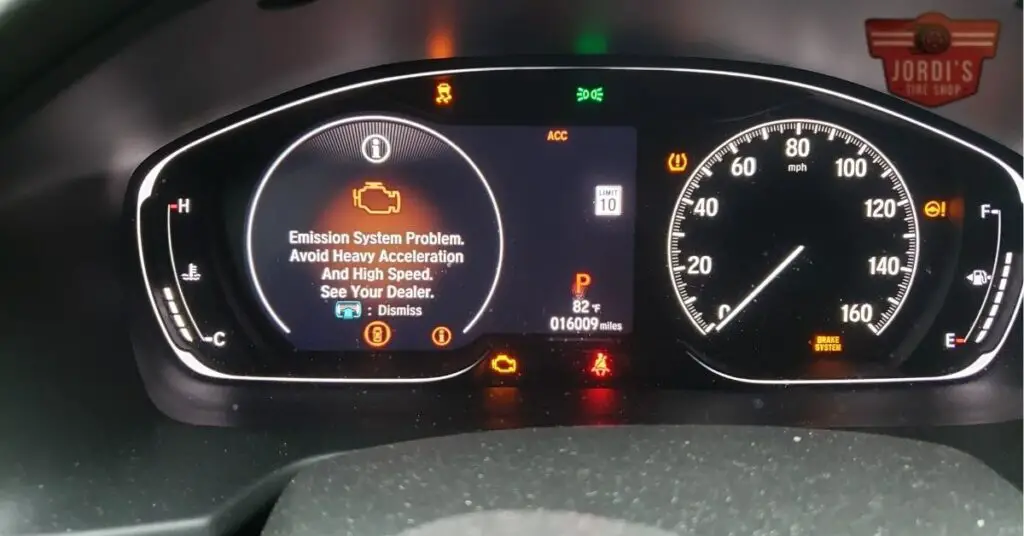
Your 2018 Honda Accord houses a complex system of indicator lights, each communicating invaluable information about your vehicle’s status. These warning lights serve as a crucial communication interface between you and your Accord, with each carrying a unique weight of significance, guiding you on steps to maintain or restore your vehicle’s functionality.

【Read Fault Codes】About the read code funtion needs to be in the ignition on state and if the check engine light is on. If the vehicle is compatible with NT301, please select correct menu & ensure no hardware/wiring issues/obd2 interface damage for accurate results. The correct menu: Select OBDII-> Wait for seconds-> Select Read codes.

WIDE COMPATIBILITY – Trusted by YouTube Star Scotty Kilmer. The AD410 OBD2 Scanner supports all 16PIN vehicles that comply with the OBDII protocol, including KWP2000, ISO9141, J1850 VPW, J1850 PWM, and CAN. This OBD2 code scanner compatible with 1996 US-based, 2000 EU-based and Asian cars, light trucks, SUVs, as well as newer OBD2 and CAN vehicles. Multilingual support (English, German, French, Spanish, etc.), this car code reader is ideal for international users. Check compatibility with your vehicle model before purchasing. !!! Powered directly from your vehicle's OBDII connector, this diagnostic tool doesn' t need a battery or charger

[Easy to Use—Work Out of the Box] + [FOXWELL 2026 New Version] FOXWELL NT604 Elite scan tool is the 2026 new version from FOXWELL, designed for car owners who want to figure out the cause of issues before fixing car problems by scanning common systems like ABS, SRS, engine, and transmission. The NT604 Elite obd2 scanner diagnostic tool comes with the latest software—no need to waste time downloading software first. Plug the scanner into the OBDII port with OBDII cable to start the diagnosis.
Common Warning Lights and Their Meanings
Across various vehicle makes and models, some warning lights persist due to their universality in the function they represent. Below, we investigate into a few of these common warning lights:
- Check Engine Light: Symbolized by an engine block, it indicates a need for engine inspection. Potential issues range from minor hitches like a loose gas cap to severe problems such as a faulty catalytic converter.
- Oil Pressure Light: Displayed as an oil can symbol, it signals low oil pressure – a potential cause could be low oil level, necessitating an oil change.
- Battery Charge Light: Represented by a battery symbol, it comes on when your car’s battery isn’t charging properly. A faulty alternator, damaged battery, or poor electrical connections are possible reasons.
- Temperature Warning Light: Marked by a thermometer within fluid, it screams of an overheating engine, possibly due to a low coolant level.
- Brake System: Depicted by an exclamation mark inside a circle, it points to a problem with your brake system. Issues could range from an engaged parking brake to a dangerous brake fluid leak.
- Vehicle Stability Assist (VSA) System Light: Shown as a car with skid marks, it lights up when the VSA system is turned off. If permanently illuminated, it could suggest an issue with the system.
- Low Tire Pressure/TPMS: Illustrated by an exclamation mark within parentheses, this light warns you of low tire pressure. Should tire pressure readings remain low after adjustments, it might signal a problem with your Tire Pressure Monitoring System (TPMS).
- Auto High-Beam Indicator: Displayed as a headlight with an auto caption, it switches on when the high beam headlights are automated. Flickering could indicate a fault within this system.
- Emission System Indicator: Depicted by the outline of an engine, it flags a potential emission control issue within your vehicle, warranting a thorough inspection.
- Brake System Warning Light: Exhibited as a red “BRAKE” sign, it alerts you to a problem with your car’s brake system aside from insufficient fluid or an engaged parking brake.
How to Respond to Warning Lights on Your 2018 Honda Accord
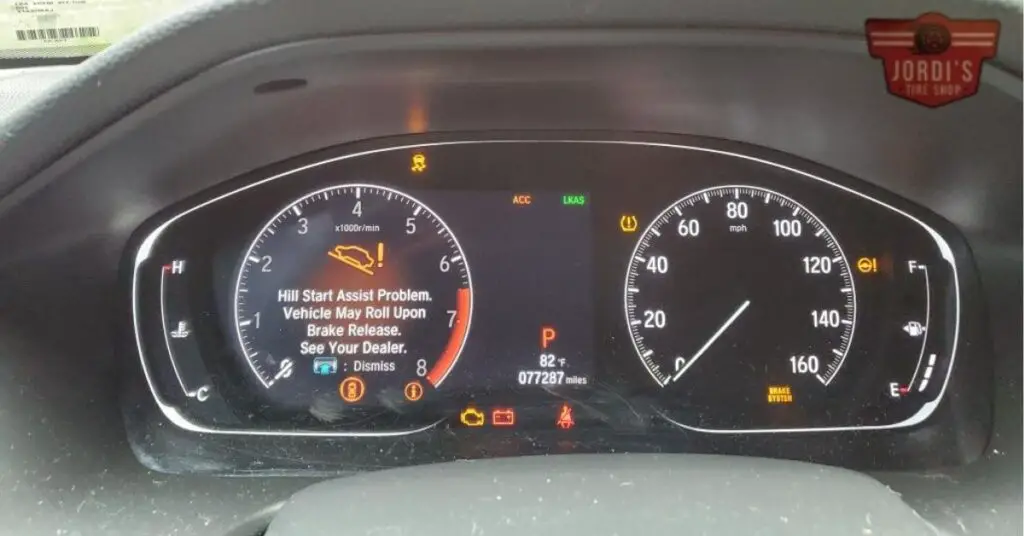
Dealing with activated warning lights can seem daunting. But, knowledge is power; understanding why they illuminate proves instrumental in assessing the situation and taking appropriate action.
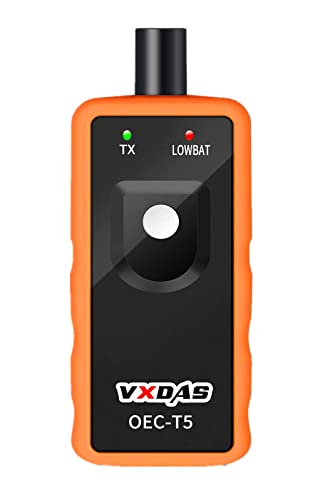
🚗2023 UPDATED FOR WIDER COMPATIBILITY: Specifically designed to work with most GM vehicles 2006-2023 (Chevy / Buick / GMC / Opel /Cadillac and more) equipped with 315/433 MHz. Your vehicle deserves the best tire pressure sensor reset tool.(It is not suitable for heavy trucks with more than 4 tires or vehicles with an external TPMS system.)Tip:Based on factory and customer-tested models shown in A+, please refer to the car model list to confirm compatibility with the VXDAS TPMS tool.

🌟KEEP YOUR TIRES IN TOP SHAPE: VXDAS GM TPMS Relearn Tool Plus is a 2 in 1 tool that resets your sensor and maintains tire pressure. Works for GM vehicles (Chevy / Buick / GMC / Opel /Cadillac etc)equipped with 315/433 MHz.

INNOVATIVE 2-IN-1 DESIGN: VXDAS TPMS relearn tool supports for GM and Ford series vehicles, (Buick, Cadillac, Chevrolet, GMC, Lincoln, Mazda, F150, F250, Focus, Fusion, and more). The added "G" and "F" model switch button on top makes it more convenient to use
Actions to Take When Exact Lights Illuminate
Different lights indicate varying aspects of your vehicle’s health, prompting distinct actions on your part.
- Check Engine Light: Respond rapidly by checking your fuel cap for tightness. If it’s loose, it could trigger this light. Nevertheless, if it persists after tightening, contact your local Honda dealership.
- Oil Pressure Light: Stop your car safely without delay. Check the oil level, replenishing it if it’s low. It’s crucial not to ignore this light as it could result in an overheated engine.
- Battery Charge Light: If it’s lit while driving, it typically signals a failing alternator or a battery not recharging. It’s worth getting it inspected at the earliest.
- Temperature Warning Light: It’s indicating that your vehicle’s running hotter than it should. Turn off the air conditioner and pull over. Let the engine cool down and then check the coolant level.
- Brake System Light: It could mean the brake fluid’s low or there’s an issue with the ABS (Anti-Lock Braking System). It’s unsafe to continue driving in this condition; seek professional help.
- Vehicle Stability Assist (VSA) System Light: Illuminate temporarily when the VSA system is in use. Should it stay on, turn the vehicle off and restart it. If the light continues to glow, consult a mechanic.
- Low Tire Pressure/TPMS: Inflate the indicated tire to the required pressure. It’s time to reach out to a professional for assistance if the light remains illuminated.
- Auto High-Beam Indicator: Signals that the high beams are on. If you’re not using your high beams and it’s still on, you ought to visit a service shop.
- Emission System Indicator: If it stays on, it usually implies there’s an issue with the fuel cap or the catalytic converter. Take your car in for inspection.
- Brake System Warning Light: It’s advising you that the parking brake’s engaged or there are potentially dangerous brake problems. Get it fixed before you hit the road again.
When to Seek Professional Help
Not every warning light requires the immediate attention of a mechanic. For lights indicating oil pressure issues, brake system problems, and battery issues, it’s imperative to seek professional help immediately. Other warnings, like the Check Engine light or the Emission System Indicator, can be addressed after a brief inspection by yourself. But, if they persist, a visit to the service shop is compulsory. Don’t risk the safety of yourself and others on the road by overlooking any of these indicators.
Decoding the 2018 Honda Accord’s Warning Light System
Unlock the mystery of sudden warning light activation in your Honda Accord with an analysis of its complex warning light system. Let’s break it down and learn from the intricacies of the 2018 Honda Accord’s warning lights.


LED Display for Instant Readability: Digital 0-150PSI oil pressure gauge combines a bright red LED numeric readout with a sweeping visual needle - see exact PSI values and pressure trends at a glance, even in bright sunlight or night driving. No more squinting at analog dials

Perfect Oil Pressure Low Indicator: This red LED pilot light is specially designed to serve as a clear low oil pressure warning light, delivering bright and highly visible illumination for quick status recognition in automotive dashboards and control panels.
Advanced Warning Systems of the 2018 Honda Accord
Equipped with next-level technology, the 2018 Honda Accord brings an array of advanced warning systems to keep you informed. These aren’t simple indicator lights but complex systems that gauge key performance parameters in real-time. For instance, the Check Engine Light isn’t just an alarm for your engine’s troubles. It’s a holistic system, scanning for minor issues like a loose fuel cap to important ones such as a misfiring engine. Also, the Oil Pressure Light indicates more than just low oil pressure, it’s a signal of your vehicle’s overall lubrication status. In other words, each warning light on your dashboard has its own system of detection, interpretation, and indication – helping you stay ahead of potential problems.
Role of the Diagnostic Trouble Code (DTC)
Integral to the advanced warning systems of your 2018 Honda Accord is the Diagnostic Trouble Code, or DTC. Think of it as the “language” your car uses to communicate with you. Whenever a warning light comes on, it’s because your car’s onboard computer, the Electronic Control Unit (ECU), has detected an anomaly and logged a exact DTC. For example, an illuminated Brake System Light might be the ECU’s response to a DTC indicating low brake fluid. By using tools such as a professional OBD-II scanner, you can interpret these DTCs and understand exactly why a exact warning light is on. So, the DTC works as a bridge between your vehicle’s silent cries for help and your understanding of its needs.
Maintenance Tips to Prevent Warning Lights

Preventive maintenance not only keeps your vehicle in top shape but can also prevent the sudden illumination of all dashboard warning lights. Let’s investigate deeper into what it requires.
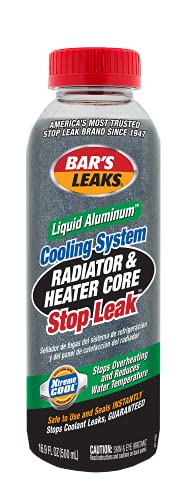
Bar's Leaks Liquid Aluminum Stop Leak seals radiator leaks. Seals freeze plug leaks. Repairs gasket leaks and heater core leaks. Lowers water temperature.

Fits Buick Century 1985-2005, Electra 1985-1990, LaCrosse 2005-2009, LeSabre 1985-2005, Lucerne 2006-2011, Park Avenue 1991-2005, Rainier 2004-2007, Reatta 1988-1991, Regal 1985-2004, Rendezvous 2002-2005, Riviera 1984-1999, Roadmaster 1991-1996, Skyhawk 1985-1989, Skylark 1985-1998, Somerset 1986-1987, Somerset Regal 1985
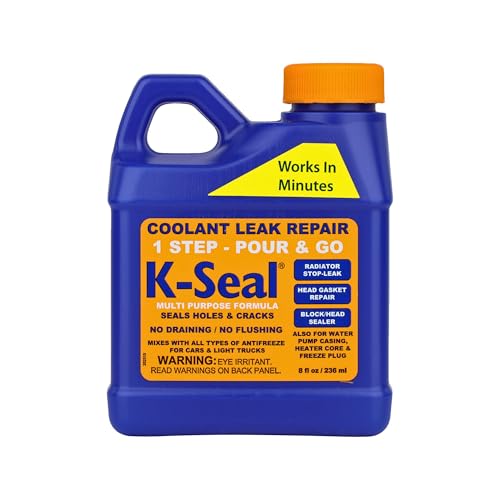
FIX IT FAST: Our multi-purpose solution works in minutes to quickly seal leaks in the radiator, head gasket, freeze plugs, block, heater matrix & water pump. Fixes most leaks in water-cooled engines
Regular Car Checks and Servicing Tips
To avoid potential malfunctions that trigger warning lights, integrate regular car checks into your routine.
- Keep a closer eye on fluid levels, such as engine oil, brake fluid, and coolant levels. For instance, maintaining the right coolant level prevents overheating, so avoiding the Temperature Warning Light.
- Regularly inspect the tire pressure. An accurate gauge is necessary for this. Low pressure in any tire triggers the TPMS light.
- Regularly examine the state of the brakes. Brakes in poor condition can light up the Brake System Warning Light.
- Pay attention to the condition of other parts too. Tail lights, headlights, and indicators should be verified on a regular basis to ensure they’re functioning correctly.
Importance of Using Genuine Honda Parts
Replacing parts of your vehicle with genuine Honda offerings is of utmost importance. These parts are specifically designed for Honda vehicles, ensuring optimal compatibility and durability.
- For instance, a genuine Honda battery caters better to the electrical needs of a 2018 Honda Accord, so reducing chances of Battery Charge Light activation.
- Genuine Honda oil filters prevent contamination and help smoother oil flow, forestalling the Oil Pressure Warning Light.
- Also, Honda’s proprietary high-performance brake components ensure optimal brake performance, reducing the likelihood of a Brake System Warning Light.
By investing effort and resources in preventive maintenance and using Honda’s official elements, chances of an all-lights-on-freak-out situation decrease considerably.
Testimonies of 2018 Honda Accord Owners
In this section, you’ll gain insights from the experiences of other 2018 Honda Accord owners.

Test the car brake fluid quality quickly to check whether it’s qualified, which can remind you to change the brake fluid when necessary to avoid traffic accident

Durable and Corrosion-Resistant : Featuring a corrosion-resistant probe, this brake fluid tester is designed for long-lasting performance. The durable construction ensures that the tool remains effective over time, even with frequent use, making it a reliable addition to your maintenance toolkit

Provides an extra margin of safety in extreme braking conditions (packaging may vary)
Positive Experiences
Many 2018 Honda Accord owners express satisfaction with their vehicle’s performance even though occasional warning light activations. These individuals note the car’s warning system as detailed and accurate, alerting them to potential problems promptly. For instance, a sudden activation of the Low Tire Pressure light allowed one owner to detect and replace a damaged tire before it caused a roadside emergency. Another owner commended the Efficiency Backlight that taught him how to maximize mileage, significantly cutting on fuel costs. Also, the presence of the Check Engine light during fuel cap issues has resulted in quick resolutions for several owners, preventing possible fuel leakage and safeguarding environments.
Common Challenges
But, a subset of 2018 Honda Accord owners have encountered challenges with sometimes frequent, unwarranted warning light activation. Some report multiple incidents where all the warning lights illuminate simultaneously, even without a notable change in the vehicle’s performance. These false alarms often lead to unnecessary worry and unexpected expenditures on professional diagnostics which sometimes turn out inconclusive. A common problem, high sensitivity of warning lights, was mentioned specifically, where minor issues like slightly low tire pressure triggered an alarming array of lights on the dashboard. Other issues reported included confusing signals from the Efficiency Backlight, occasional non-functional VSA, and frequent illumination of the Brake System Light without clear reasons.
Conclusion
So there you have it. You’re now well-equipped to tackle an all-lights-on situation with your 2018 Honda Accord. You’ve learned the ins and outs of each warning light and how to respond when they illuminate. You’ve also gained an understanding of the advanced warning systems and the importance of the Diagnostic Trouble Code.
Remember, it’s not just about responding to these lights but also about preventing them from coming on in the first place. Regular checks and using genuine Honda parts can significantly reduce the likelihood of facing this issue.
While some Accord drivers have reported challenges, many others find the detailed warning system a boon for timely detection of issues. So, don’t let the lights intimidate you. With the knowledge you’ve gained, you’re in control. Drive with confidence, knowing you’re prepared to handle any warning light your Accord throws your way.

Multi-Functions - Practical Multi-Functions OBD2 code reader features built-in OBD2 DTC lookup library, which help you to determine the cause of the engine light, read code, erase code, view freeze frame, I/M ready, vehicle information, data flow, real-time curve, get vehicle speed information, calculate load value, engine coolant temperature, get engine speed.
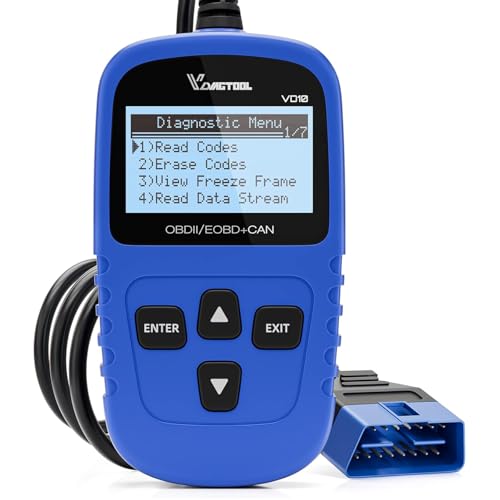
【A MUST-HAVE TOOL FOR DIYERS】 - VDIAGTOOL VD10 car code reader is an incredibly useful obd scanner for each car owner or hobbyist, even for those with little to no experience when it comes to vehicle mechanics! Similar to a fixd car diagnostic tool, using this car diagnostic scanner is extremely easy. All you have to do is attach it to your car OBDII port and you can diagnose car problems in seconds! Read Codes (DTCs); Clear Codes; Live Data; View Freeze Frame; I/M Readiness; Vehicle Information.
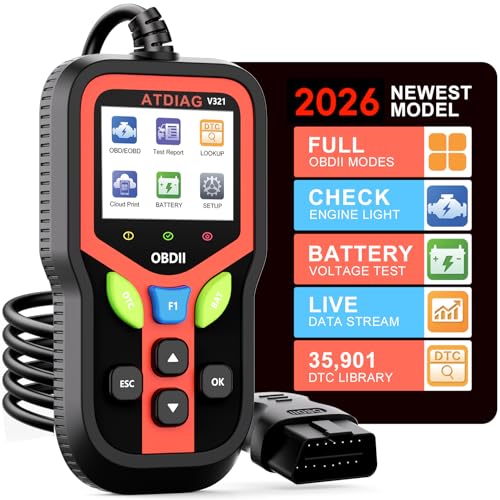
Professional OBD2 Scanner:Accurately diagnose why your check engine light is on. Read and clear trouble codes,check I/M readiness status, view real-time sensor data (like RPM, coolant temp, and fuel pressure), run EVAP tests, check battery health, and access freeze frame data. V321 scanner for car with a built-in library decoding over 35,901 fault codes, far more than basic scanners, you get deeper insight into your vehicle’s health.
Frequently Asked Questions
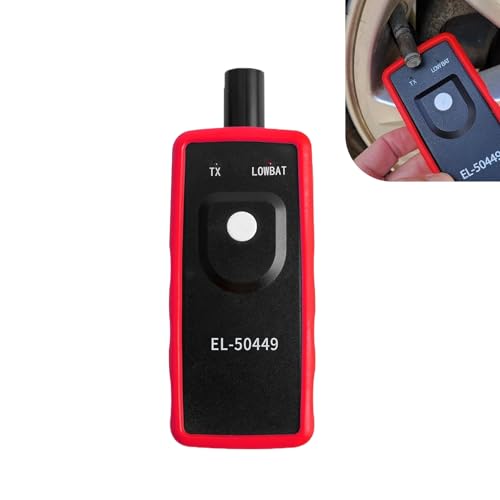
Key Functions: This tpms relearn tool is for vehicles with direct TPMS. It activates sensors, clears dashboard warning lights, and checks for bad or low-power sensors. It is compatible with many major vehicle brands.

【CUSTOMIZED for FORD】This TPMS Sensor Training Tool is customized for all Ford Lincoln Mercury vehicles that has a Tire Pressure Sensor. Train the TPMS sensors and activate Tire Pressure Programming on new vehicles or after a tire rotation(Tip: You can refer to the second vehicle compatibility diagram and the A+ content to check if your vehicle is compatible with this reset tool.)

TPMS RELEARN TOOL FOR GM: This tire pressure monitor system relearn tool is compatible with most General Motors equipped with 315 MHz or 433 MHz sensor, including Chevy, Buick, GMC, Opel, Cadillac, etc, from 2006-2024, Cars, SUV, Pickup, Not for Heavy Truck
What is the significance of warning lights in the 2018 Honda Accord?
Warning lights on the 2018 Honda Accord serve as a crucial interface between the vehicle and the driver. They represent different potential issues with the car such as engine malfunction, oil pressure issues, battery charge levels, and temperature warnings, among others. Understanding these warning lights is essential for drivers to maintain the vehicle’s health and safety.
How can I address the activation of these warning lights?
The response to activated warning lights is situation dependent. For instance, if the Check Engine Light is activated, you may need to check the fuel cap. For more serious indicators like the Brake System Light, you may need to seek professional assistance. Awareness about the meaning of each light aids in accurate assessment and action.
What is the role of the Diagnostic Trouble Code (DTC)?
The Diagnostic Trouble Code (DTC) is essentially the language your vehicle uses to communicate issues or faults detected by the onboard computer (ECU). Using an OBD-II scanner, you can interpret these codes to understand the specific reasons behind activated warning lights.
How can I prevent sudden activation of all warning lights?
Integrating regular car checks such as monitoring fluid levels, tire pressure, and brake conditions in your routine can prevent sudden activation of warning lights. Use of genuine Honda parts, designed for optimal compatibility and durability, also reduces chances of warning light activation.
Are there any reported challenges with the 2018 Honda Accord warning lights?
While many Honda Accord owners express satisfaction with the detailed and accurate warning system, some have reported issues like high sensitivity of warning lights and confusing signals from the Efficiency Backlight, leading to unnecessary worry and unanticipated diagnostic expenses.
Related Posts:
- Troubleshooting 2018 Honda Accord: Deciphering the Mystery of All-On Dashboard Warning Lights
- Decoding Your Dodge Durango: A Comprehensive Guide to Dashboard Warning Lights and Symbols
- Understanding Your Chevy Malibu Dashboard Warning Lights: A Comprehensive Guide
- Unlocking the Mystery: Understanding Your Chrysler’s Dashboard Warning Lights & Symbols
- Decoding Your Freightliner Dash: The Ultimate Guide to Warning Lights and Symbols
- Decoding Bobcat Warning Light Symbols: Your Ultimate Guide for Safe and Efficient Operation
- Mastering Kubota’s Dashboard Warning Lights: A Guide to Efficient Machinery Maintenance
- Decoding Your Case Tractor Warning Lights: What They Mean and How to Respond
- Decoding John Deere Tractor Warning Lights: A Comprehensive Guide for Owners
- Unlock the Mystery: Understanding Your Kenworth Dash Warning Lights
- Decoding Case Skid Steer Warning Lights: A Guide to Optimizing Operations