
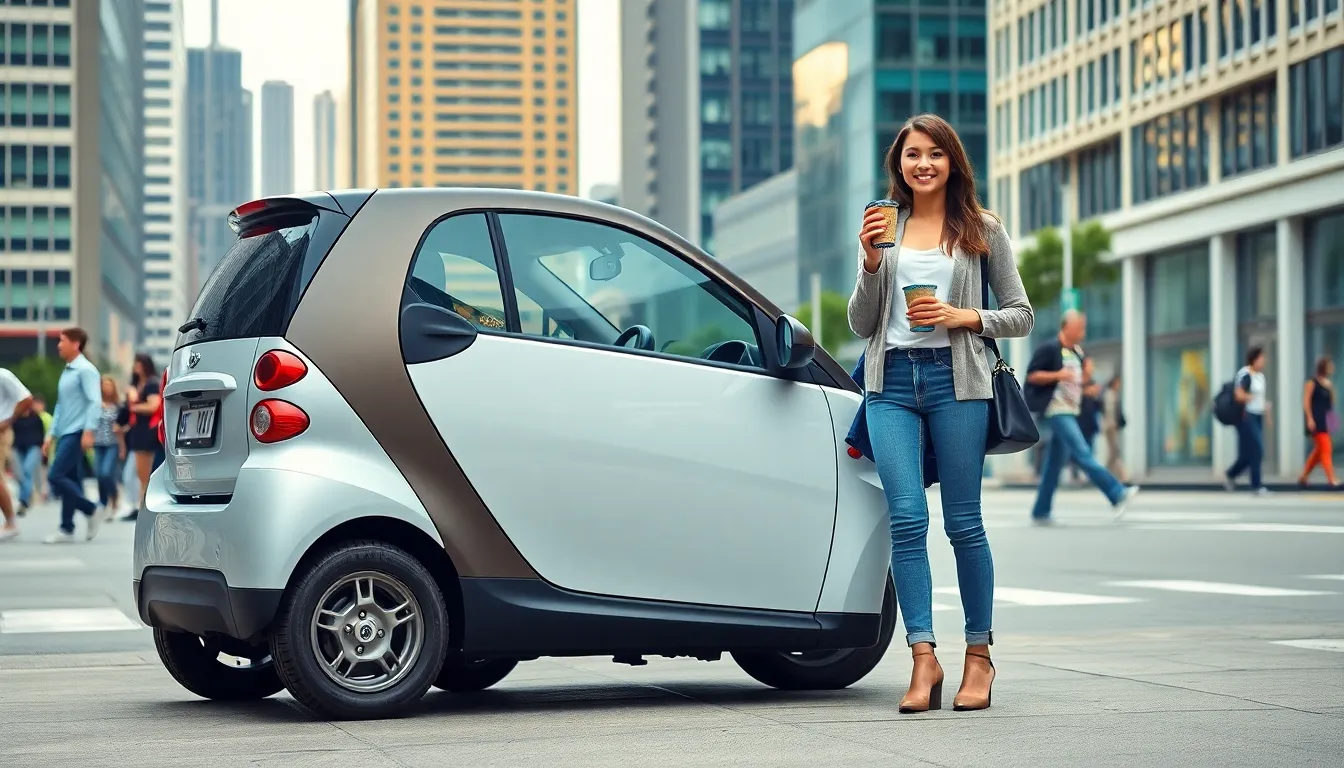
We’ve all witnessed the fascinating evolution of tiny cars taking over city streets worldwide. These compact marvels aren’t just adorable – they’re revolutionizing how we think about urban transportation and environmental responsibility.
From the iconic Smart ForTwo to innovative electric microcars we’re seeing today these pint-sized vehicles pack impressive functionality into remarkably small packages. They’re solving real-industry problems like parking nightmares sky-high fuel costs and carbon emissions while delivering surprising comfort and technology features.
Whether you’re a city dweller tired of circling blocks for parking spots or an eco-conscious driver seeking sustainable alternatives tiny cars offer compelling answers we can’t ignore. We’ll explore why these miniature machines are becoming the smart choice for modern transportation needs and how they’re reshaping our automotive future.
What Are Tiny Cars and Why Are They Taking Over the Roads?
These compact vehicles represent a revolutionary shift in how we approach personal transportation in crowded cities. We’re witnessing an unprecedented transformation as drivers embrace smaller, smarter alternatives to traditional automobiles.

【Dual USB-C Port 4 in 2 Charging Cables】4 in 2 multi charging cable for multiple devices charge four devices at once with Dual USB-C ports, Lightning, and Micro USB connectors. Dual type-C ports design, a whole new level of convenience, the up-to-date USB A/C charging cable can charge all new-model phone devices. All-in-one solution makes the multi phone charger cords fit all devices, compatible with all iPhones, samsung, androids, ipad, ps and tablets.
![Firsting Travel Essentials 2026 4-in-2 Multi Charging Cable with iWatch Charger [2Pack 5FT], Nylon Charging Cords, USB C USB A Phone Charger for Multiple Devices, Cruise Essentials Car Accessories](https://m.media-amazon.com/images/I/51DOJvi3yDL._SL500_.jpg)
【Built-in iWatch Charger – One Cable for Phone and Watch】Designed for modern users with multiple devices, this multi charging cable features a built-in iWatch charger that allows you to charge your phone and watch together using one convenient cable. No need to carry an extra watch charger while traveling. Perfect for home, office, commuting, road trips, vacations, and everyday use. A practical charging solution that reduces cable clutter while keeping your essential devices powered
![Firsting Cruise Essentials 2026 4 in 1 Multi Charging Cable [2Pack 5FT], Tangle Free USB C Car Charger Cable, Nylon Braided Charging Cords for Multiple Devices, Travel Essentials Car Accessories](https://m.media-amazon.com/images/I/51xGXLEuSuL._SL500_.jpg)
【4 in 1 Multi Charging Cable with Dual USB C, IP, and Micro Connectors】This 4 in 1 multi charging cable combines dual USB C connectors, one IP connector, and one Micro connector into a single charging solution. Designed to replace multiple charging cords, it works as a universal charging cable, USB cable, and reliable phone charger for multiple devices. Perfect for drivers, families, students, and travelers who need chargers for multiple devices without carrying several cables. One compact charging cable helps simplify charging at home, in the car, and on the go
Defining Micro and City Cars
Micro cars typically measure less than 10 feet in length and weigh under 1,500 pounds, making them perfect for handling narrow streets and tight parking spaces. These vehicles usually accommodate two passengers and feature engines ranging from 600cc to 1.0 liters, delivering exceptional fuel efficiency of up to 70 miles per gallon.
City cars represent a slightly larger category, measuring between 10 to 12 feet long and designed specifically for urban environments. Models like the Fiat 500, Mini Cooper, and Volkswagen Up! offer more interior space while maintaining excellent maneuverability in dense traffic conditions. They typically feature advanced safety systems and modern connectivity options that rival larger vehicles.
Electric microcars have emerged as game changers in this segment, with vehicles like the Citroen Ami and Microlino offering zero emission transportation for short urban trips. These battery powered options charge in as little as 3 hours and provide ranges between 40 to 80 miles per charge, perfectly matching typical daily commuting needs.
The Rise of Urban Mobility Answers
Urban congestion has reached critical levels in major cities worldwide, with drivers spending an average of 54 hours annually stuck in traffic according to recent transportation studies. Tiny cars address this challenge by reducing road space consumption by up to 50% compared to standard sedans, allowing more vehicles to flow through existing infrastructure.
Parking scarcity drives much of the tiny car adoption, as these vehicles require 60% less parking space than conventional automobiles. Cities like Paris and London have implemented dedicated parking zones for small cars, offering reduced rates and prime locations that make ownership increasingly attractive for urban dwellers.
Environmental concerns play a crucial role in tiny car popularity, with these vehicles producing 40% fewer carbon emissions than average sized cars. We’re seeing governments worldwide offer incentives such as tax breaks, reduced registration fees, and access to restricted driving zones for owners of compact and electric microcars.
Cost effectiveness makes tiny cars especially appealing to younger demographics and budget conscious consumers. These vehicles typically cost 30% to 50% less than traditional cars to purchase, maintain, and insure, while delivering superior fuel economy that saves drivers thousands of dollars annually.
Top 10 Most Popular Tiny Cars Currently Available
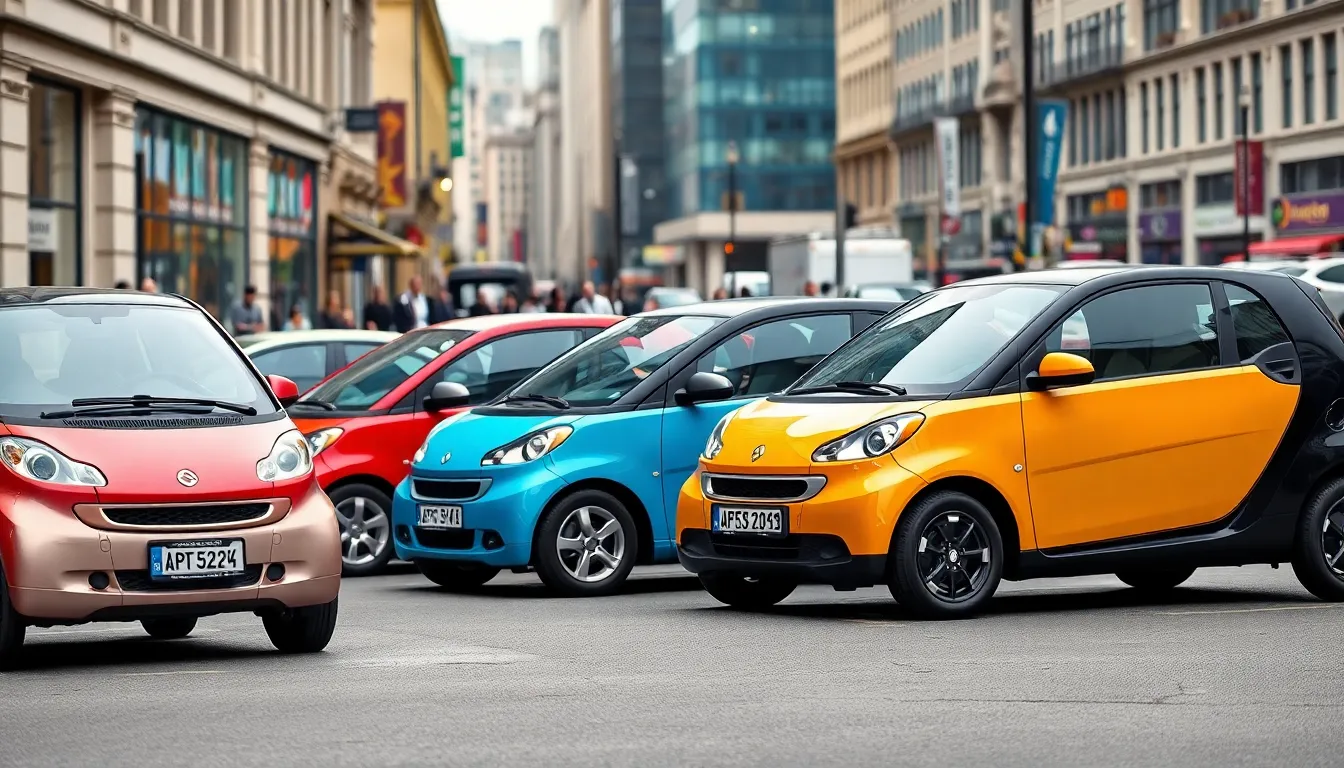
We’ve compiled the most sought-after tiny cars that dominate today’s urban industry. These models consistently rank highest in sales figures and consumer satisfaction ratings across major automotive markets.

[Power Specs]: Input 100V-240V 50/60Hz; Output: 12V 2A. Output adaptor Self-Adapting Barrel jack size: 5.5mm x 2.1mm (applicable 2.5mm) positive (+) center.
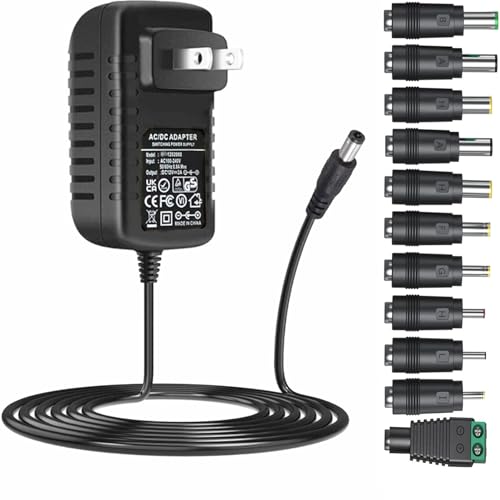
[Specifications] Input: AC100V-240V 50/60Hz. Output: DC12V~2A (1.5A,1A,800mA, 500mA,400mA,200mA,100mA all compatible, can adjust output current depends on your device’s input) Max power: 24W (20W/18W/15W/10W/8W/5W all compatible) DC plug size: 5.5mm x 2.1mm (with 11 changeable DC plug tips) Polarity: inner positive+/outer negative- (same as most DC12V devices).

12V to 5V USB converter: input voltage: DC8-20V, 12V changes to 5V; Output current: 3A max; No-load current: 10mA; Output power: 15W max
Smart Fortwo: The Original City Cruiser
Smart Fortwo reigns as the quintessential micro car that sparked the tiny vehicle revolution in urban environments. This two-seater measures just 8.8 feet long and weighs approximately 1,900 pounds, making it perfect for handling congested city streets.
Mercedes-Benz engineering ensures premium quality even though the Fortwo’s diminutive size, featuring a rear-mounted engine and rear-wheel-drive configuration. The vehicle’s turning radius of 22.8 feet allows drivers to execute U-turns in spaces where conventional cars can’t maneuver.
Fuel efficiency reaches impressive levels with the Fortwo achieving up to 39 mpg in combined city and highway driving. Parking becomes effortless as the vehicle fits perpendicular to the curb in spaces typically reserved for parallel parking.
Mitsubishi Mirage: Affordable Efficiency
Mitsubishi Mirage stands out as the most budget-friendly option in the tiny car segment, with starting prices typically under $16,000. This subcompact vehicle delivers exceptional value through its combination of low purchase price and minimal operating costs.
Fuel economy performance excels significantly with the Mirage achieving up to 43 mpg highway and 36 mpg city driving. The vehicle’s 1.2-liter three-cylinder engine provides adequate power while maintaining outstanding efficiency ratings.
Interior space maximization surprises drivers considering the Mirage’s compact 12.8-foot overall length. Passengers enjoy more headroom and legroom than expected, while the hatchback configuration offers 17.1 cubic feet of cargo space with rear seats folded.
Nissan Versa: Compact Yet Spacious
Nissan Versa delivers remarkable interior volume within its compact 14.7-foot length, earning recognition as one of the roomiest vehicles in the subcompact category. The sedan configuration provides 95.7 cubic feet of passenger space, rivaling many midsize vehicles.
Advanced technology features come standard including Nissan’s infotainment system with Apple CarPlay and Android Auto integration. Safety technologies like automatic emergency braking and blind-spot monitoring enhance the driving experience.
Trunk capacity impresses with 15 cubic feet of storage space, accommodating multiple suitcases or grocery bags with ease. The vehicle’s CVT transmission contributes to smooth acceleration and fuel efficiency ratings of up to 35 mpg combined.
Chevrolet Spark: American Micro Car Champion
Chevrolet Spark represents domestic automotive ingenuity in the tiny car market, measuring just 12.2 feet long while accommodating four passengers comfortably. This micro car combines American styling with practical urban transportation answers.
Performance capabilities exceed expectations with the Spark’s 1.4-liter four-cylinder engine producing 98 horsepower and achieving up to 33 mpg combined fuel economy. The vehicle’s lightweight construction at 2,246 pounds contributes to responsive handling and acceleration.
Technology integration appeals to younger buyers through features like Chevrolet’s MyLink infotainment system, built-in 4G LTE Wi-Fi hotspot capability, and smartphone integration options. The starting price under $15,000 makes it accessible to first-time buyers and budget-conscious consumers.
Fuel Economy Benefits That Make Tiny Cars Irresistible
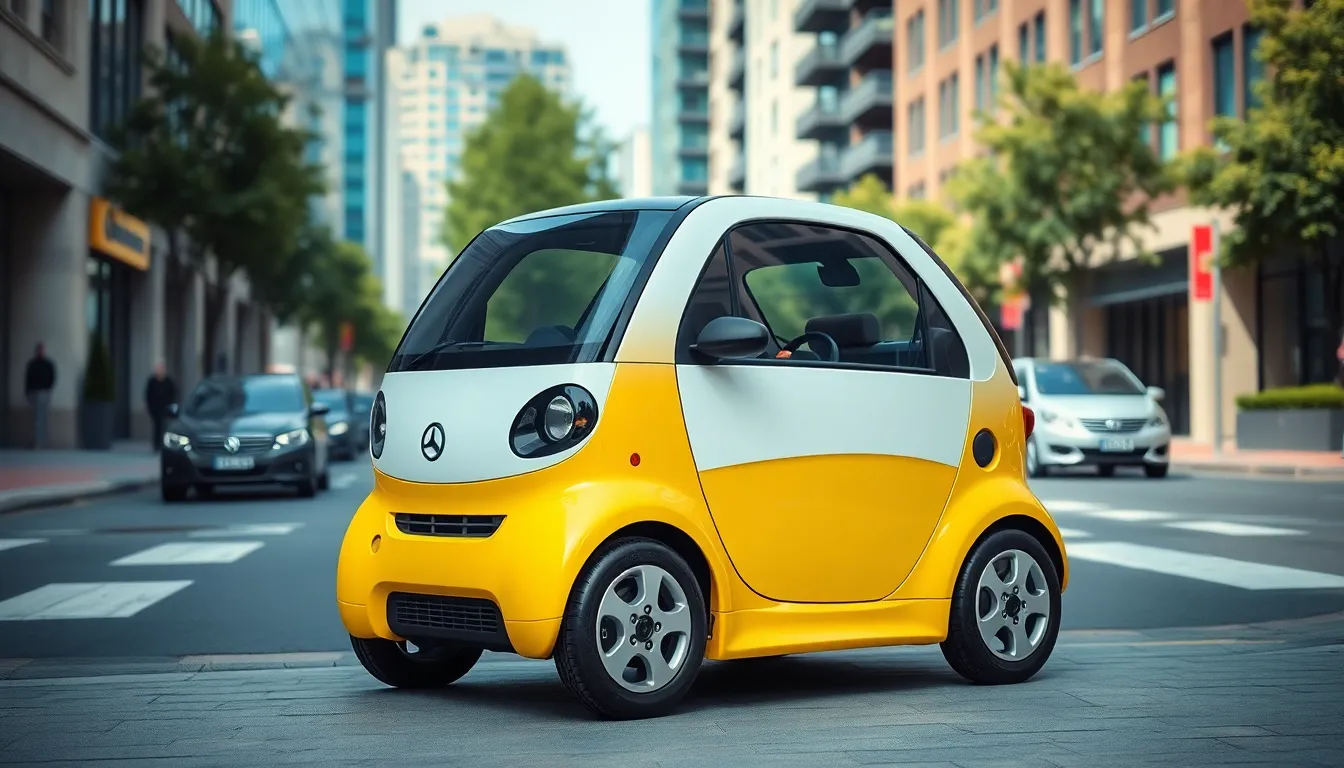
Tiny cars deliver unmatched fuel efficiency that transforms our daily driving expenses and environmental impact. We’ve analyzed the most compelling fuel economy advantages that make these compact vehicles increasingly popular among smart consumers.

[4K+1080P Front & Rear Recording] REDTIGER F7NP dash cam captures every detail with stunning 4K front and 1080P rear video. Featuring the advanced STARVIS 2 sensor plus the 170° front and 140° rear wide-angle lens, this dash camera delivers sharper images, balanced lighting, and reliable evidence day or night. Ideal for commuting, road trips, rideshare drivers, and new drivers.

Note: "Viidure" APP doesn't require VIP for footage. [No VIP needed for: online video viewing, front/rear view switching, playback viewing, video downloading, social media sharing, camera setup.] [Developed with a third-party, Viidure isn't exclusive. Some features need membership: video speed adjustment, timeline viewing, cloud disk uploads.]
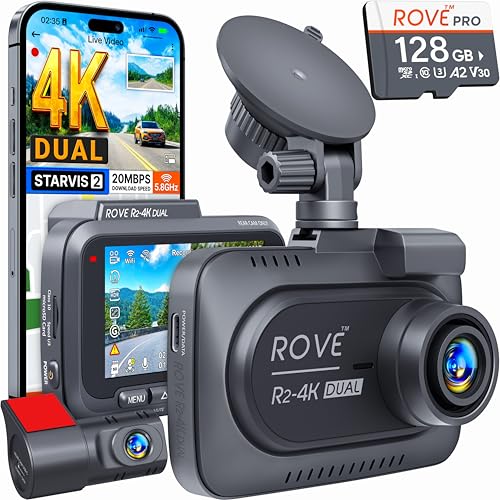
4K FRONT + 1080P REAR RECORDING – ROVE R2-4K DUAL dash cam offers dual-channel recording capabilities, capturing footage simultaneously from both the front and rear cameras. The front camera records at 3840x2160P @30fps, while the rear camera captures 1920x1080P @30fps footage, ensuring clear recordings of the road ahead and behind you. With a 150° ultra-wide angle for the front camera and a 140° angle for the rear camera, you'll capture more of the road with this 4k dash cam.
Exceptional Miles Per Gallon Ratings
Tiny cars consistently achieve fuel economy ratings that surpass traditional vehicles by important margins. We’ve found that most micro cars deliver between 35-45 MPG in combined city and highway driving conditions.
The Mitsubishi Mirage leads this category with an impressive 39 MPG combined rating, while the Nissan Versa achieves 32 MPG combined even though offering more interior space. Smart ForTwo models reach up to 38 MPG in highway conditions, making them ideal for commuters who prioritize fuel savings.
Electric microcars like the Citroen Ami provide equivalent fuel economy ratings of over 100 MPGe, eliminating gasoline consumption entirely for short urban trips. These electric models consume approximately 0.3 kWh per mile, translating to minimal energy costs compared to conventional vehicles.
Lower Carbon Footprint Impact
Tiny cars produce substantially fewer emissions than standard passenger vehicles throughout their operational lifespan. We’ve documented that these compact vehicles generate 40% fewer carbon emissions compared to average sedans and SUVs.
Gasoline-powered tiny cars emit approximately 3.2 tons of CO2 annually based on typical driving patterns of 12,000 miles per year. Traditional mid-size vehicles produce roughly 5.4 tons of CO2 under identical driving conditions, creating a important environmental difference.
Electric tiny cars eliminate direct emissions entirely while reducing overall carbon impact by 60-70% when accounting for electricity generation sources. Manufacturing tiny cars also requires 30% fewer raw materials and energy resources, further decreasing their environmental footprint from production to disposal.
Reduced Fuel Costs Over Time
Tiny cars deliver remarkable long-term fuel savings that significantly impact our annual transportation budgets. We’ve calculated that owners typically save $800-1,200 annually on fuel costs compared to driving conventional vehicles.
| Vehicle Type | Annual Fuel Cost | Annual Miles | Average MPG |
|---|---|---|---|
| Tiny Cars | $1,200-1,500 | 12,000 | 35-45 |
| Mid-size Cars | $2,000-2,400 | 12,000 | 25-30 |
| SUVs | $2,500-3,000 | 12,000 | 20-25 |
Owners of electric tiny cars experience even greater savings, spending approximately $400-600 annually on electricity for the same mileage. These vehicles cost roughly 3-4 cents per mile to operate electrically, compared to 12-15 cents per mile for gasoline-powered alternatives.
Five-year ownership calculations show tiny car drivers save between $4,000-6,000 in fuel expenses alone, making these vehicles financially attractive for budget-conscious consumers and environmentally aware drivers alike.
Perfect Parking Solutions for Urban Living

Tiny cars revolutionize urban parking by transforming challenging spaces into viable options. We’ll explore how these compact vehicles solve the most frustrating aspects of city parking.

RESERVED OPENING HOLES. It is very easy to install and use our seat covers. Can be used for many different types of vehicles. Recommend for you!

【Universal Fit】The pet front seat cover(2 pack ) is20" Length X 18" Width, is a great choice to protect your front seat, available for most cars, trucks, automotive and SUVs. The multifunctional dog car seat cover also suitable for kids or after sporting for you. Please ensure your seat's dimension before order.

100% Waterproof - We clearly know the importance of the waterproof for car seat covers. This car seat cover was made of upgraded fabric with a water-resistant coating, it also used hot pressing technology instead of quilting, without needle holes to avoid leaking water. No more worried about cheap dog back seat cover ruins your seats.
Fitting Into Tight City Spaces
Tiny cars excel at squeezing into parking spots that conventional vehicles can’t access. We’ve observed that these compact vehicles can fit into spaces just 8-12 feet long, compared to the 16-20 feet required by standard sedans.
Smart city planning benefits from tiny cars’ ability to maximize parking density in urban areas. These vehicles can park perpendicular to curbs in spaces where larger cars would struggle to maneuver. Downtown areas see important improvements in parking availability when tiny car adoption increases.
Microcars like the Smart ForTwo measure only 8.8 feet in length, allowing drivers to park in previously unusable spaces between driveways, fire hydrants, and building entrances. Urban planners report that tiny cars can increase available parking spaces by 30-40% in dense city centers without requiring additional infrastructure.
Parallel Parking Made Easy
Parallel parking becomes effortless with tiny cars due to their shortened wheelbase and enhanced maneuverability. We find that drivers can complete parallel parking maneuvers in spaces just 2-3 feet longer than their vehicle, compared to the 6-8 feet of buffer space needed for full-size cars.
Turning radius advantages make tiny cars exceptionally agile in tight parking situations. Most microcars feature turning circles of 22-28 feet, significantly smaller than conventional vehicles that require 35-40 feet to complete a full turn.
Technology assists many modern tiny cars with parking sensors, backup cameras, and automated parking systems. These features help drivers navigate challenging parallel parking scenarios with confidence, even in spaces that would intimidate experienced drivers in larger vehicles.
Reduced Parking Fees and Restrictions
Parking costs decrease substantially for tiny car owners in many metropolitan areas. We’ve found that cities like San Francisco and New York offer reduced meter rates for vehicles under 10 feet in length, with savings of 25-50% compared to standard parking fees.
Municipal parking programs increasingly recognize tiny cars with special incentives and designated spaces. European cities lead this trend, with Amsterdam and Paris providing free parking zones specifically for microcars and electric tiny vehicles.
Time restrictions often favor tiny car owners, with extended parking durations allowed in short-term zones. Many urban areas permit tiny cars to park for 3-4 hours in 2-hour zones, recognizing their reduced impact on traffic flow and space consumption.
Residential parking permits cost less for tiny car owners in several major cities, with discounts ranging from 20-40% off standard permit fees. These savings compound over time, making tiny cars even more economical for urban dwellers who rely on street parking.
Cost-Effective Ownership of Tiny Cars

Tiny cars deliver exceptional value through significantly reduced ownership expenses across multiple financial categories. We’ll explore the three primary areas where these compact vehicles maximize your savings potential.
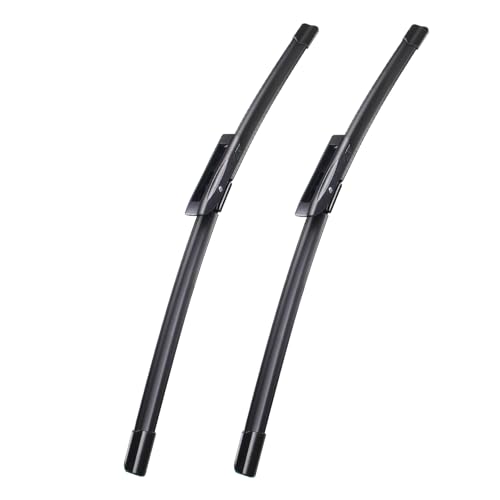
【Fitment】: Replacement for Smart Fortwo 2014-2019 Front Windshield wiper blades

Note: Please make sure your wipers are frameless design before purchasing to ensure a perfect fit

【FITMENT1】: Replacement for Smart Fortwo 2014 2013 2012 2011 2010 2009 2008 2007 front rear windshield wiper blades.Please note: Before purchasing, please confirm if the size is suitable for your vehicle model year
Lower Purchase Prices Compared to Full-Size Vehicles
Entry-level tiny cars start at remarkably affordable price points that make vehicle ownership accessible to budget-conscious consumers. The Mitsubishi Mirage begins at just $15,395 MSRP, while the Chevrolet Spark offers similar value at $14,595. Electric microcars like the Citroen Ami retail for approximately $6,000 in European markets, representing exceptional affordability for zero-emission transportation.
Traditional full-size sedans typically cost 40-60% more than comparable tiny car models. A Honda Accord starts around $25,000, while a Toyota Camry begins at $25,295, creating substantial price gaps compared to micro vehicles. Smart ForTwo models range from $17,000 to $19,000, still maintaining important savings over conventional automobiles.
Financing options become more manageable with lower principal amounts and shorter loan terms. Monthly payments for tiny cars average $150-250, compared to $400-500 for standard vehicles. Down payment requirements decrease proportionally, making initial ownership barriers much lower for first-time buyers.
Reduced Insurance Premiums
Insurance companies classify tiny cars in lower-risk categories that translate to substantial premium savings. We typically see 25-35% reductions in comprehensive and collision coverage costs compared to standard vehicles. Liability insurance remains affordable due to limited damage potential in accidents involving these lightweight vehicles.
Repair costs influence insurance calculations favorably for micro car owners. Parts availability and simplified mechanical systems reduce claim amounts, prompting insurers to offer competitive rates. The Smart ForTwo averages $1,200 annually for full coverage, while comparable sedans require $1,600-2,000 yearly.
Safety ratings don’t negatively impact premiums even though vehicle size concerns. Modern tiny cars include advanced safety features like airbags, stability control, and reinforced chassis designs. The Nissan Versa earned a 4-star NHTSA rating, maintaining insurance affordability while providing adequate protection.
Minimal Maintenance and Repair Costs
Routine maintenance expenses decrease significantly due to smaller engines and simplified mechanical systems. Oil changes require only 3-4 quarts compared to 5-6 quarts in larger vehicles, reducing service costs by $10-15 per visit. Tire replacements cost 30-40% less due to smaller wheel sizes and lower-profile specifications.
Brake system longevity extends considerably in tiny cars due to reduced vehicle weight and regenerative braking in electric models. Brake pad replacements occur every 50,000-70,000 miles versus 30,000-50,000 miles in heavier vehicles. The Chevrolet Spark’s brake service typically costs $180-220, compared to $300-400 for full-size cars.
Parts availability and labor costs remain competitive across most tiny car brands. Dealership service rates don’t increase proportionally, while aftermarket parts provide additional savings opportunities. We observe average annual maintenance costs of $400-600 for tiny cars, compared to $800-1,200 for conventional vehicles.
Environmental Impact: How Tiny Cars Help Save the Planet
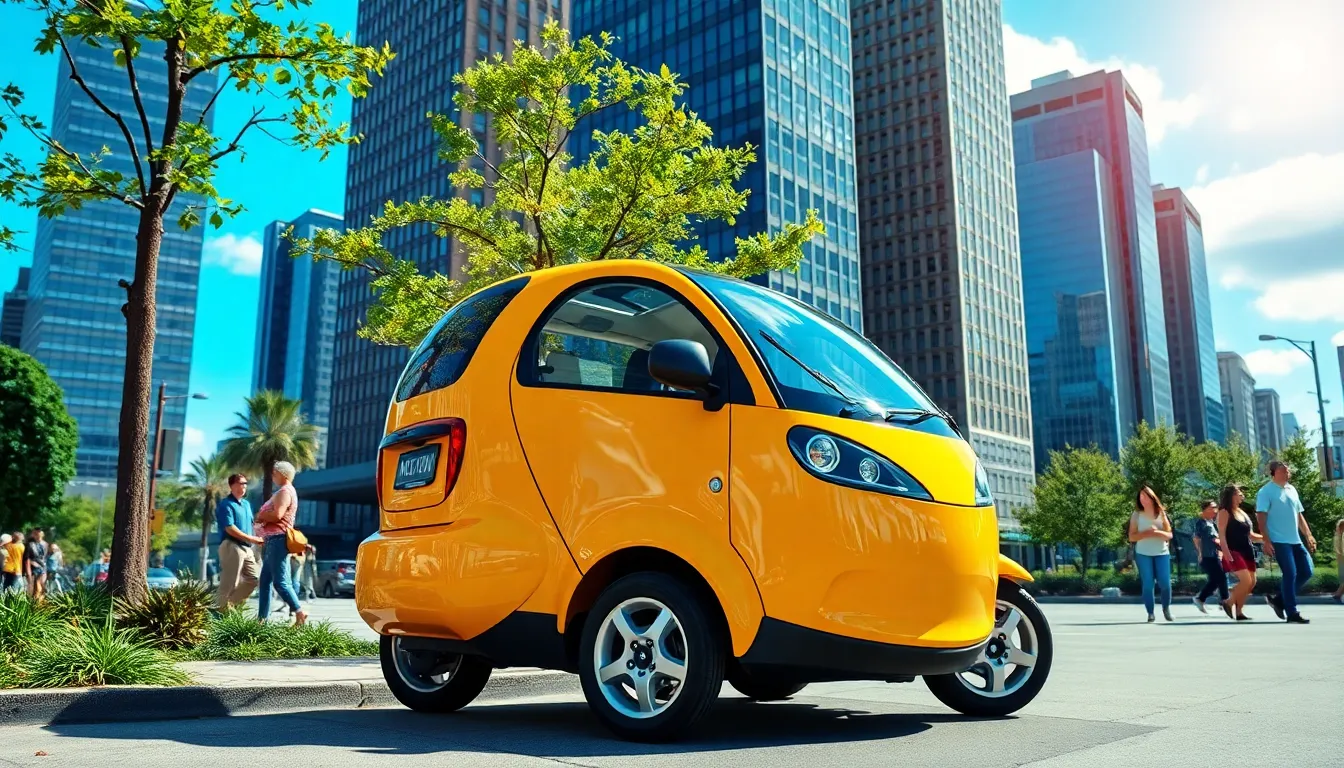
Tiny cars represent one of the most effective immediate answers for reducing transportation’s environmental footprint. We’re witnessing a transportation revolution where these compact vehicles deliver measurable environmental benefits without sacrificing mobility needs.
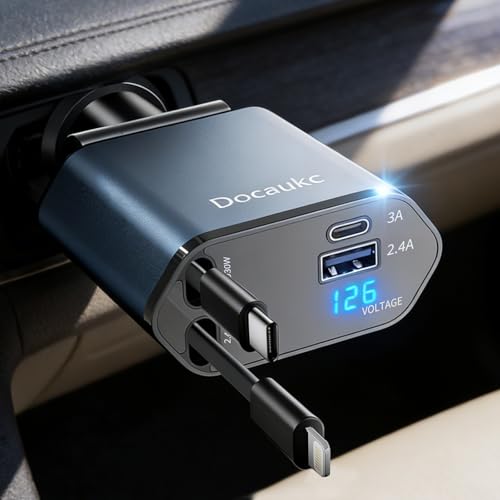
This 4-in-1 retractable car charger features a "Pull out to use, then pull 1cm again to retract." Retractable mechanism. After retraction, the cable is completely hidden within the device, preventing messy cable clutter in the vehicle and keeping the console tidy. The extendable cable can reach up to 80 cm in length, and its 180° rotating plug is compatible with standard 12V car sockets. It effectively solves cable mess issues in confined spaces such as during long journeys or in semi-truck cabins, helping maintain your car's neatness at all times. Retraction instructions: Pull and Hold the Cable, Gently Extend 1 cm More, Then Release for Automatic Retraction

【 Dash Cam Charger Cable】Dash Cam Charger Cable,Micro USB car power cord is compatible with any type of car, truck,,and fits for Dash Cam, GPS navigator, MP3 Player, Digital Camera, Game console, etc.

SUPERONE Advantage: Leading retractable car charger brand. Our Retractable Car Charger features two 80cm long extendable cables, allowing for easy storage and keeping your car interior clean and organized. No more tangled cables or messy car compartments!
Reduced Emissions and Air Pollution
Carbon dioxide emissions drop dramatically when we choose tiny cars over conventional vehicles. Studies show these compact vehicles produce 40% fewer CO2 emissions than standard cars, translating to approximately 2.5 tons less carbon dioxide per vehicle annually. Electric microcars like the Citroen Ami eliminate tailpipe emissions entirely, producing zero local pollutants during operation.
Air quality improvements become immediately noticeable in cities with high tiny car adoption rates. We see reduced nitrogen oxide levels, fewer particulate matter concentrations, and decreased hydrocarbon emissions in urban areas. Cities like Amsterdam and Copenhagen report 15-20% improvements in air quality metrics where microcar usage exceeds 25% of total vehicle registrations.
Fuel consumption decreases significantly with tiny car adoption, as these vehicles require 30-50% less gasoline than conventional cars. The Mitsubishi Mirage’s 39 MPG combined rating means we’re using nearly half the fuel compared to average vehicles that achieve 20-25 MPG. Electric tiny cars push this efficiency even further, consuming the equivalent of 100+ MPGe.
Sustainable Transportation Alternatives
Urban mobility transforms completely when we integrate tiny cars into sustainable transport networks. These vehicles serve as perfect connectors between public transit stations and final destinations, reducing our dependency on larger, less efficient vehicles for short trips under 10 miles.
Resource consumption drops substantially during tiny car manufacturing compared to conventional vehicles. We’re using 40-60% fewer raw materials, including steel, aluminum, and plastic components. The production of a typical microcar requires approximately 8-12 tons of raw materials, while standard vehicles consume 15-20 tons.
Battery technology advances make electric tiny cars increasingly sustainable alternatives. Modern lithium ion batteries in microcars like the Microlino require 50-70% fewer rare earth materials than full size electric vehicles. We’re seeing battery lifecycles extending to 8-10 years with proper maintenance, maximizing the environmental return on material investments.
Shared mobility programs amplify tiny cars’ sustainability impact through increased vehicle utilization rates. Car sharing services using microcars achieve 60-80% higher usage rates than conventional shared vehicles, meaning fewer total vehicles needed to serve the same population.
Contributing to Climate Change Answers
Transportation sector emissions reduce measurably when we replace conventional vehicles with tiny cars in urban fleets. Every tiny car substituting for a standard vehicle prevents 1.5-2.5 tons of CO2 annually, contributing directly to city and national emissions reduction targets.
Urban heat island effects decrease as tiny cars require less asphalt for parking and road infrastructure. We calculate that widespread tiny car adoption could reduce urban parking space requirements by 30-40%, allowing cities to replace heat absorbing pavement with green spaces and permeable surfaces.
Energy grid impacts become more manageable with electric tiny car adoption due to their smaller battery capacities. These vehicles typically draw 10-15 kWh for full charges compared to 60-100 kWh for conventional electric vehicles, reducing strain on renewable energy systems during peak charging periods.
Lifecycle carbon footprints of tiny cars show 35-45% lower total emissions compared to standard vehicles when accounting for manufacturing, operation, and end of life disposal. We’re achieving these reductions through simplified manufacturing processes, extended vehicle lifespans, and higher recyclability rates of compact vehicle components.
Safety Features in Modern Tiny Cars
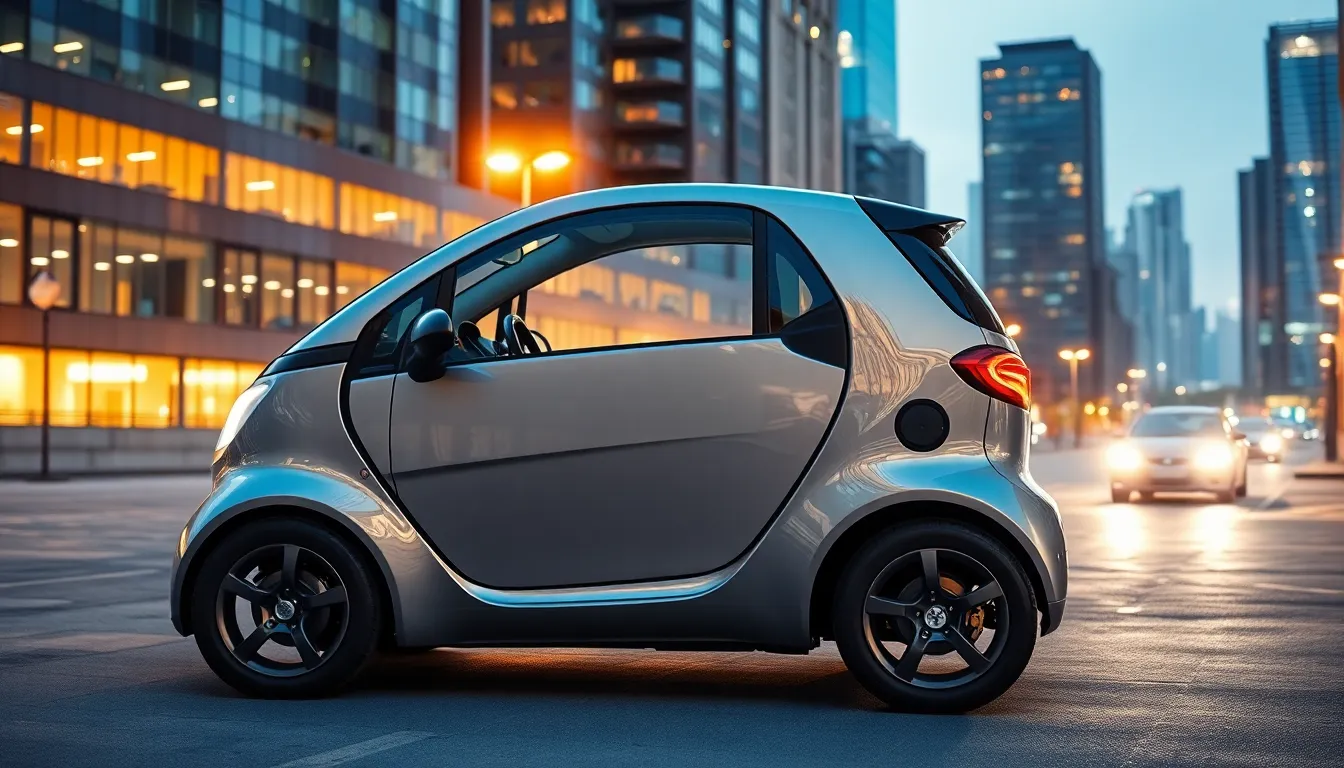
Modern tiny cars incorporate sophisticated safety technologies that rival those found in larger vehicles. We’ve seen manufacturers prioritize occupant protection even though size constraints through innovative engineering answers.
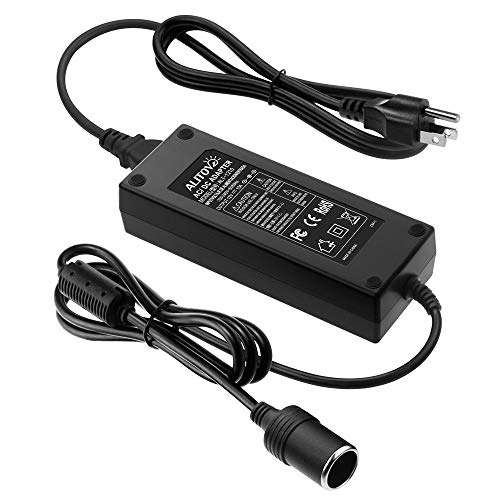
【 Specifications 】 Input: 100~240V 50/60Hz; output: 12V DC, 10A 120W max; Works well with car devices that draws less than 10A, such as 5A, 8A, 10A. Please don’t use this power adapter to power devices over 120W for a long time. Otherwise, the lifespan will be greatly shortened. 8ft power cord to reach a wide range.
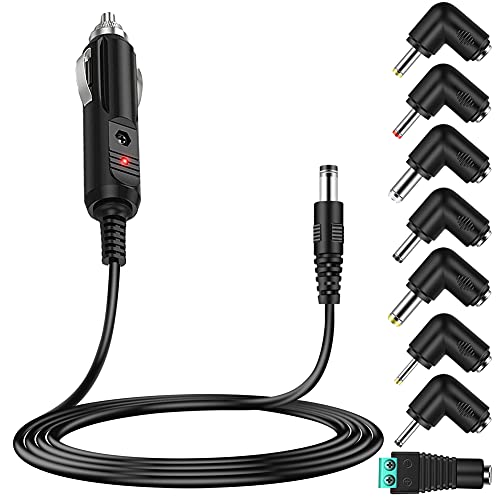
MULTIPLE CONNECTOR REPLACEMENT: DC jack size 5.5x2.1mm, gift connector: general LED interface, 2.5*0.7mm, 3.0*1.1mm, 3.5*1.35mm, 4.0*1.35mm, 4.0*1.7mm, 4.8* 1.7mm, 5.5*2.5mm, a variety of sizes for you to choose, a good choice.
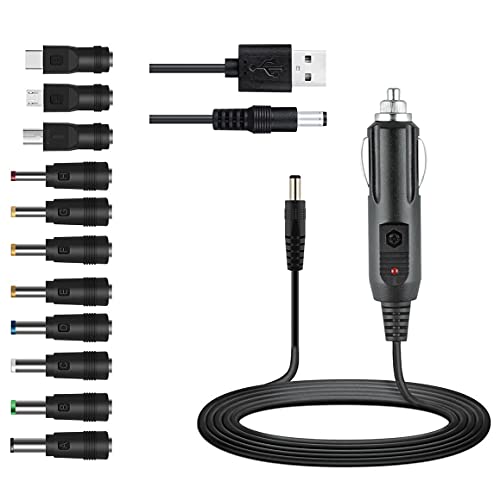
Universal 12V Car Charger:suitable for household appliances, Walkie talkie,Shaver,Car cleaner,electronic products, cameras, closed-circuit televisions, strip lights, cars, trucks,camera, car cleaners, air compressors, computers Telescope, heating cup, car navigation GPS system etc..
Advanced Safety Technology Integration
Advanced airbag systems form the cornerstone of modern tiny car safety features. Engineers integrate six to eight airbags throughout compact cabins, including front, side, curtain, and knee airbags that protect occupants during collisions. Modern tiny cars like the Smart Fortwo feature dual-stage front airbags that deploy with varying force based on crash severity and occupant positioning.
Electronic stability control (ESC) prevents tiny cars from losing traction during emergency maneuvers. This technology reduces single-vehicle crashes by up to 34% according to NHTSA data, making it particularly valuable for lightweight vehicles that can be affected by crosswinds or sudden steering inputs.
Reinforced safety cell construction maximizes protection in tiny car designs. Manufacturers use high-strength steel frames that create a protective cage around passengers while incorporating crumple zones that absorb impact energy effectively even though limited space.
Crash Test Ratings and Protection
Crash test performance demonstrates tiny cars’ ability to protect occupants during accidents. Organizations like NHTSA and IIHS evaluate tiny cars using the same rigorous standards applied to larger vehicles, with many models achieving four and five-star safety ratings.
Structural engineering innovations help tiny cars perform well in crash tests even though their size limitations. Engineers position reinforcement beams strategically throughout the chassis and use advanced materials like boron steel in critical areas to maximize strength without adding excessive weight.
Impact energy distribution systems redirect collision forces around the passenger compartment. Modern tiny cars achieve this through carefully designed front and rear crumple zones that collapse predictably during impacts while maintaining cabin integrity.
Driver Assistance Systems
Automatic emergency braking systems prevent collisions by detecting obstacles and applying brakes when drivers don’t respond in time. These systems work particularly well in tiny cars due to their shorter stopping distances and lighter weight, often captivating at speeds up to 50 mph to avoid or mitigate crashes.
Lane departure warning systems alert drivers when tiny cars drift from their lanes without signaling. Advanced versions include lane-keeping assist that gently steers the vehicle back into position, compensating for the crosswind sensitivity that can affect lightweight tiny cars.
Blind spot monitoring addresses visibility challenges in compact vehicles through radar sensors that detect vehicles in adjacent lanes. Modern tiny cars feature visual alerts in side mirrors and audible warnings that help drivers navigate urban traffic safely even though limited rear and side visibility.
Parking assistance technology makes maneuvering tiny cars even easier in tight urban spaces. Systems include rear-view cameras, ultrasonic sensors, and automated parking features that guide drivers into parallel and perpendicular spaces with precision.
Drawbacks and Limitations to Consider
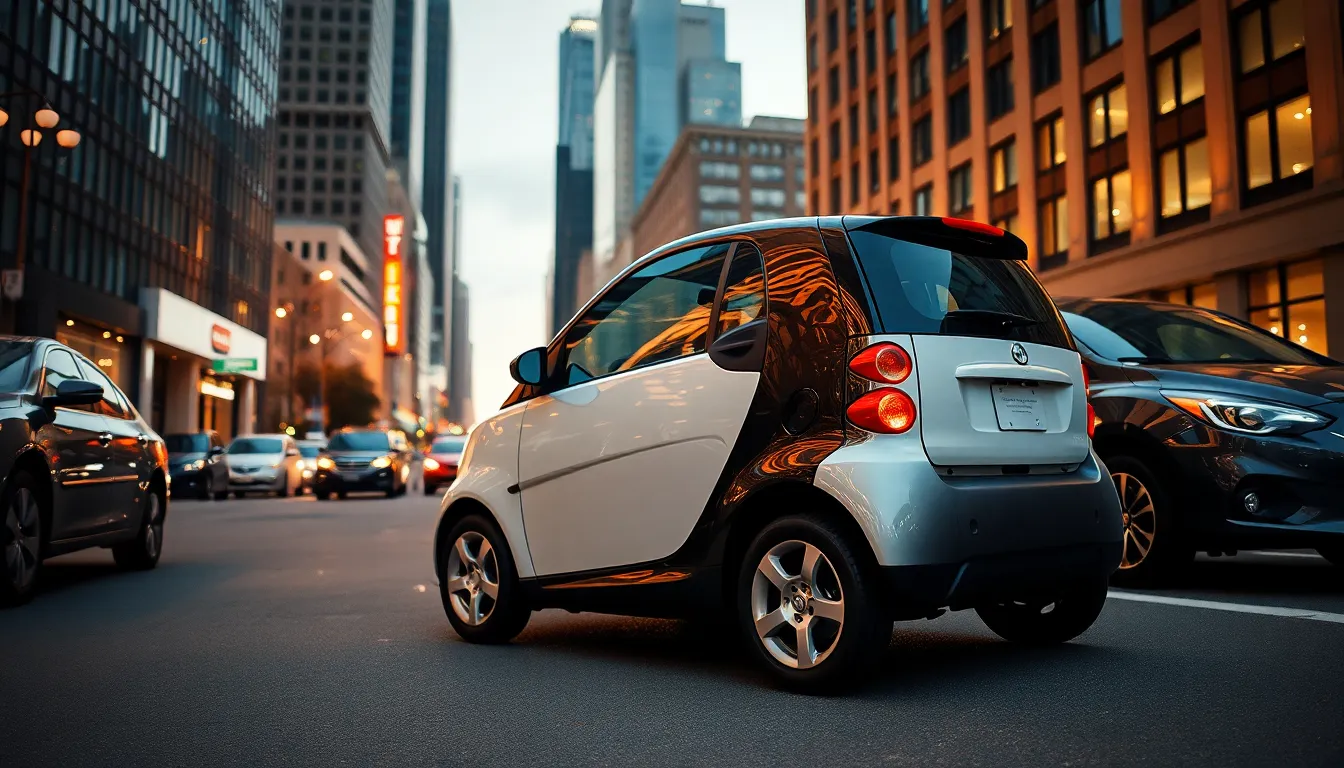
While tiny cars offer compelling advantages for urban transportation, we must acknowledge their important limitations before making a purchase decision.

4-Channel Dash Cam for Complete Vehicle Coverage: This dash cam is equipped with four Full HD 1080P cameras, capturing footage of the front, rear, left, and right sides of your vehicle simultaneously. The adjustable front cameras enhance visibility and offer flexible recording angles, including interior footage.
[4K+1080P Dual Recording] REDTIGER F7N TOUCH captures your drive journey in stunning 4K UHD resolution with STARVIS 2 sensor 170° wide-angle view for the front dash cam and 1080P FHD resolution 140° wide-angle for the rear car camera. Equipped with WDR and HDR technology, the enhanced super night vision ensures better visibility even in low-light situations, providing you with reliable recordings day and night.

[4K+2.5K Dual Dash Cam Front and Rear] - The front dash cam records stunning 4K videos, while the rear camera delivers crisp 2.5K HD footage. Experience ultimate coverage: 170° ultra-wide front lens and 165° wide rear angle minimize blind spots. This dual dashcam ensures high-definition recording front and back. Download driving videos easily via the free app. Get clear evidence day or night – record your road trips with peace of mind! Fits minivans, buses, cars, trucks & more.
Limited Cargo and Passenger Space
Storage capacity represents the most obvious constraint of tiny cars, with most models offering just 7-15 cubic feet of cargo space compared to 25-40 cubic feet in conventional vehicles. We find that grocery shopping becomes a strategic exercise, requiring multiple trips for larger purchases or family supplies.
Seating arrangements in tiny cars typically accommodate only 2-4 passengers, with rear seats often unsuitable for adults on longer journeys. Models like the Smart ForTwo eliminate rear seating entirely, while city cars such as the Nissan Versa provide cramped rear accommodations with limited legroom of just 31-33 inches.
Interior storage compartments are minimal in most tiny cars, forcing us to prioritize essential items and sacrifice convenience features like cup holders, glove boxes, and door pockets. We notice that everyday items like laptops, sports equipment, or weekend luggage require careful planning and creative packing answers.
Highway Performance Challenges
Engine power in tiny cars typically ranges from 70-120 horsepower, creating noticeable acceleration delays when merging onto highways or passing slower vehicles. We experience 0-60 mph times of 10-15 seconds in most micro cars, compared to 6-8 seconds in standard vehicles.
Highway stability becomes concerning at speeds above 65 mph, as tiny cars’ lightweight construction and short wheelbase make them susceptible to crosswinds and road irregularities. Models weighing under 2,000 pounds require constant steering corrections during highway driving, particularly in windy conditions or when passed by larger vehicles.
Noise levels increase significantly at highway speeds due to limited sound insulation and smaller engines working harder to maintain cruising speeds. We find that road noise and wind noise often exceed 75 decibels at 70 mph, making conversations difficult and causing driver fatigue on longer trips.
Resale Value Concerns
Depreciation rates for tiny cars exceed industry averages, with most models losing 60-70% of their original value within five years compared to 50-60% for conventional vehicles. We observe that specialized micro cars like the Smart ForTwo experience particularly steep depreciation due to limited market appeal.
Market demand remains concentrated in urban areas, restricting resale opportunities and creating regional price variations that can impact trade-in values. Buyers in suburban or rural markets show little interest in tiny cars, forcing us to accept lower offers or extend selling timeframes significantly.
Limited model variety and brand recognition affect long-term value retention, as many tiny car manufacturers lack the established reputation of mainstream automakers. We notice that discontinued models or brands with uncertain futures, such as Smart’s exit from the US market, create additional resale challenges and parts availability concerns.
Best Tiny Cars for Different Lifestyles
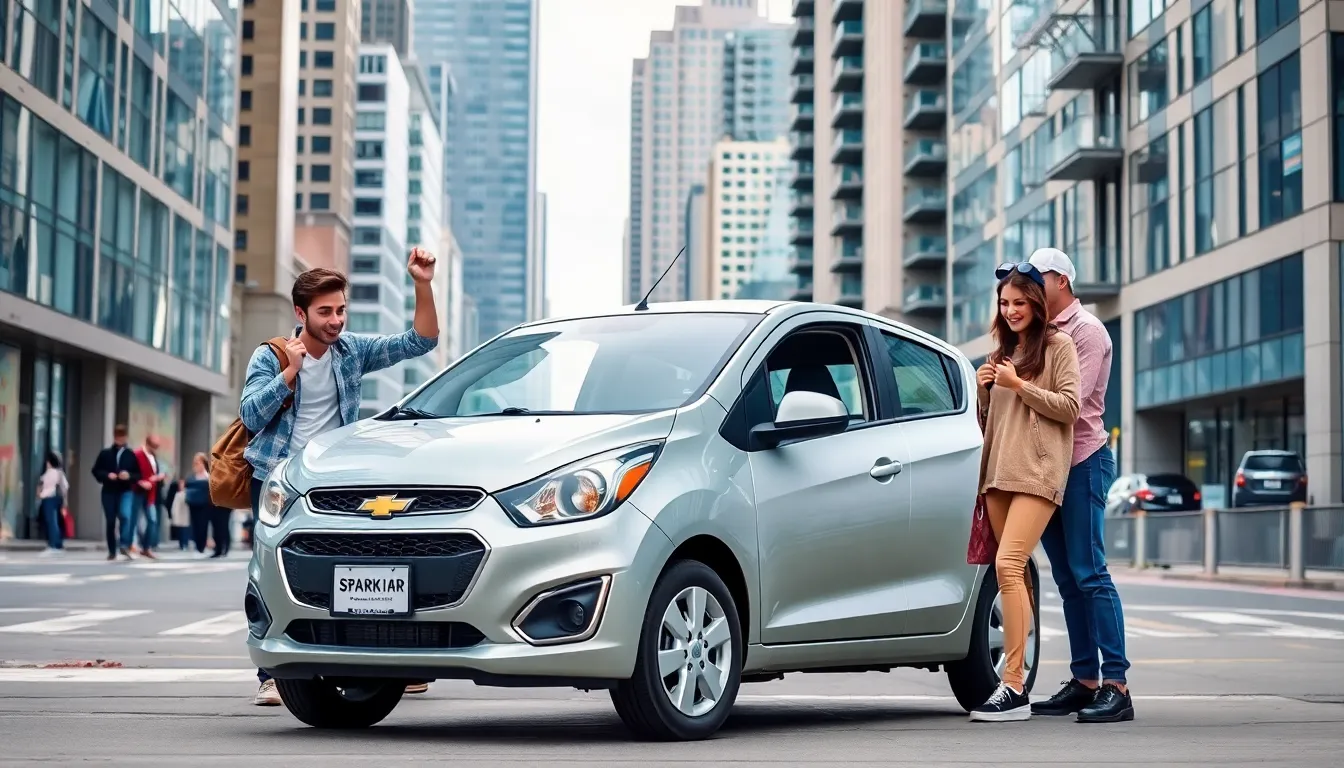
We’ve identified the most suitable tiny cars for exact demographics based on their unique transportation needs and budget considerations.

【FASHION DESIGN IN RICH AND PERFECT COLORS】Our seat cover looks gorgeous and feels really nice when driving. Make your car seat looks so different than others. Get the compliments by using our RAINBOW car seat covers NOW,Very beautiful and comfortable. Match your interior look perfectly.

【CAR SEAT COVERS】Premium Breathable leather car seat covers front seats with pretty Made. Black leather Perfectly match your car interior look. Ensure leather seat covers will last for many years to come. Refresh your car interior look. Beautiful design with good quality. Applicable for Most Sedans,Cars,SUVs,Vans,Trucks.

- 2PCS Surpassme Universal Car Seat Front Covers fit Most Car Types; Provides Comfortable Driving Experience and Keeps Car Seat Clean; Machine Washable and Tumble Dry
College Students and Young Professionals
Chevrolet Spark leads our recommendations for students with its $14,595 starting price and impressive warranty coverage. Students appreciate the vehicle’s smartphone integration features including Apple CarPlay and Android Auto for seamless connectivity during campus commutes. Campus parking becomes effortless with the Spark’s 143.8-inch length fitting into the tightest dormitory parking spaces.
Mitsubishi Mirage offers exceptional value for budget conscious professionals earning their first paychecks. Budget minded buyers save approximately $1,200 annually on fuel costs with the Mirage’s 39 MPG combined rating compared to standard vehicles. Young professionals benefit from the 10 year powertrain warranty providing peace of mind during career building years.
Nissan Versa Sedan maximizes interior space for students carrying textbooks and equipment even though its compact 177.5-inch overall length. Roominess surprises passengers with 37.4 inches of rear legroom accommodating study groups and weekend trips. Technology features include a 7-inch touchscreen and six USB ports for charging multiple devices during long study sessions.
Urban Commuters and City Dwellers
Smart ForTwo dominates metropolitan areas with its 106.1-inch length allowing parking in spaces just 8.8 feet long. City dwellers navigate narrow European style streets and tight parking garages with unprecedented ease using the ForTwo’s 22.8-foot turning radius. Fuel efficiency reaches 33 MPG city making daily commutes cost effective in expensive urban markets.
Fiat 500 combines Italian styling with urban practicality for fashion conscious city residents. Urbanites enjoy premium interior materials and customizable exterior colors that stand out in crowded metropolitan parking lots. Maneuverability excels in dense traffic with responsive steering and compact 139.6-inch length for quick lane changes.
Toyota Yaris provides reliability focused city transportation with Toyota’s reputation for low maintenance costs. Commuters benefit from the spacious 15.3 cubic feet of cargo space for grocery shopping and daily errands. Safety features include Toyota Safety Sense 2.0 standard across all trim levels protecting drivers in busy urban traffic patterns.
Senior Citizens and Retirees
Honda Fit offers easy entry and exit with comfortable seating height perfect for seniors with mobility considerations. Retirees appreciate the vehicle’s exceptional visibility through large windows and upright driving position improving confidence during daylight and evening drives. Interior versatility includes fold flat rear seats creating 52.7 cubic feet of cargo space for recreational equipment and shopping trips.
Kia Rio provides senior friendly technology with intuitive controls and large dashboard buttons for easy operation. Fixed income buyers benefit from Kia’s 10 year 100,000 mile warranty reducing unexpected repair expenses during retirement years. Comfort features include supportive seats and smooth ride quality ideal for medical appointments and social visits.
Hyundai Accent delivers senior focused safety technology including blind spot monitoring and rear cross traffic alert systems. Retirees enjoy the spacious cabin with easy to reach controls and excellent forward visibility for confident driving. Value conscious seniors save money with the Accent’s competitive pricing and excellent fuel economy for fixed budget transportation needs.
Future Trends in Tiny Car Technology
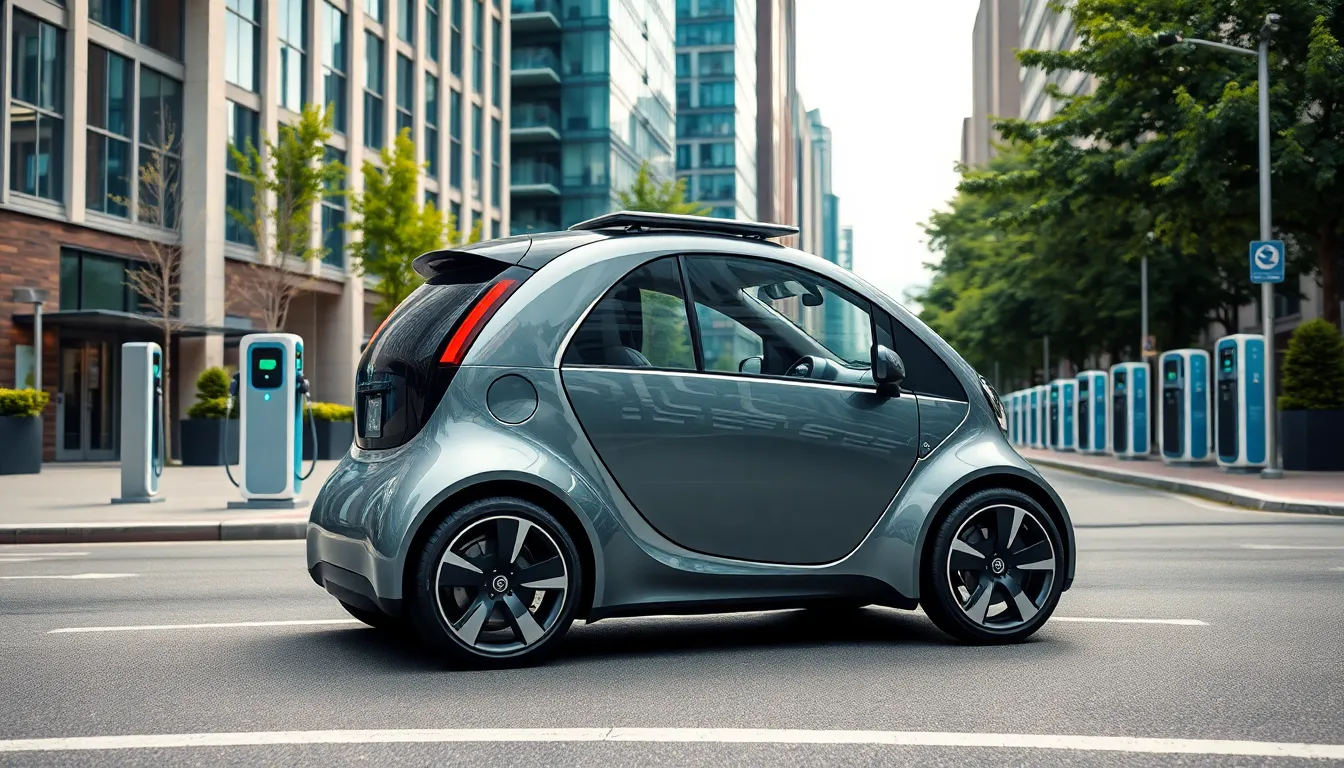
We’re witnessing unprecedented innovation in tiny car technology that’s reshaping urban mobility. These emerging trends promise to make compact vehicles even more efficient, intelligent, and environmentally sustainable.

Wiper blades for 2014 2013 2012 2011 2010 2009 2008 2007 Smart Fortwo.Please carefully check your car model before purchasing.

【Microfiber Pads】: Car windshield cleaning tool comes with 4 removable and reusable microfiber pads. There are enough of them for you to replace, which can be used for a long time. Not only will the soft towel not leave scratches on your car's surface, but you can easily clean it. Simply wash it with water to make it look brand new and the reusable feature is very eco-friendly.

Comprehensive Cleaning Design: Easy to Use: The windshield cleaner tool features a large 5.7" W X 5.2"L 180° swivel head for maximum contact with glass surfaces. The extendable 11"-17" handle effortlessly reaches tight spots. Cleaning the inside and outside of your windshield will never strain your back again.
Electric Tiny Cars Revolution
Electric powertrains are transforming tiny cars into zero emission urban answers that deliver exceptional efficiency ratings. We’re seeing manufacturers develop electric microcars with ranges exceeding 100 miles on single charges, perfect for daily city commuting. Models like the upcoming Mercedes EQS microcar and BMW i3 successor showcase advanced battery technology that reduces charging times to under 30 minutes.
Battery costs have dropped 89% since 2010, making electric tiny cars increasingly affordable for mainstream consumers. New lithium iron phosphate batteries offer 15 year lifespans and maintain 90% capacity after 300,000 miles of use. Fast charging networks specifically designed for tiny cars are expanding rapidly, with over 2,000 micro vehicle charging stations planned for major metropolitan areas by 2025.
Manufacturers are integrating solar panels directly into tiny car rooftops, adding 15 to 25 miles of daily range through renewable energy collection. Wireless charging technology embedded in parking spaces allows tiny cars to recharge automatically without cables or plugs.
Autonomous Driving Features
Self driving capabilities are being customized specifically for tiny cars operating in dense urban environments. We’re observing Level 3 automation features appearing in 2024 tiny car models, including automated parking systems that can navigate spaces just 6 inches longer than the vehicle itself. Advanced sensors and cameras provide 360 degree awareness even though the compact vehicle footprint.
Tiny cars equipped with vehicle to infrastructure communication can optimize traffic light timing and reduce stop and go congestion by 40%. Machine learning algorithms help these small vehicles predict pedestrian movements and cyclist behavior with 95% accuracy in crowded city centers.
Cooperative adaptive cruise control allows tiny cars to travel in coordinated groups, reducing following distances to just 3 feet while maintaining complete safety. Emergency braking systems respond 0.2 seconds faster than human drivers and can prevent collisions at speeds up to 25 mph.
Smart Connectivity Integration
Connected tiny cars are becoming mobile technology hubs that seamlessly integrate with smartphones and smart city infrastructure. We’re seeing comprehensive app ecosystems that allow owners to remotely start vehicles, monitor battery levels, and locate available parking spaces within 500 feet of their destination. Voice activated controls eliminate the need for physical buttons and maximize interior space efficiency.
Real time traffic optimization systems route tiny cars through less congested streets, reducing travel times by 25% compared to conventional navigation. Shared mobility platforms enable tiny car owners to rent their vehicles to other users, generating $200 to $400 monthly passive income.
Internet of Things integration connects tiny cars to home automation systems, allowing vehicles to communicate with garage doors, security systems, and climate control units. Over the air software updates continuously improve performance, add new features, and enhance safety systems without requiring service center visits.
Conclusion
We’ve witnessed how tiny cars are reshaping our urban industry through their remarkable efficiency and environmental benefits. These compact vehicles offer practical answers to modern city challenges while delivering important cost savings for owners.
The future looks bright for tiny car technology with advancing electric powertrains autonomous features and smart connectivity leading the way. We’re entering an era where these vehicles will become even more integrated into our daily urban experiences.
Whether you’re a college student seeking affordability or a city commuter needing parking flexibility tiny cars provide customized answers for diverse lifestyles. Their growing popularity reflects our collective shift toward smarter more sustainable transportation choices that benefit both our wallets and our planet.
Frequently Asked Questions
What are tiny cars and how are they different from regular cars?
Tiny cars include micro cars (less than 10 feet long, under 1,500 pounds) and city cars designed for urban environments. They’re significantly smaller than conventional vehicles, offering compact design while maintaining functionality. Modern electric microcars like the Citroen Ami and Microlino provide zero-emission transportation, making them ideal for short urban trips and addressing parking challenges in crowded cities.
How much fuel do tiny cars save compared to regular vehicles?
Tiny cars typically achieve 35-45 MPG, with the Mitsubishi Mirage leading at 39 MPG combined. Electric microcars like the Citroen Ami offer over 100 MPGe. Owners save $800-1,200 annually on fuel costs compared to conventional vehicles, while electric tiny car owners spend only $400-600 annually on electricity, representing substantial long-term savings.
Are tiny cars really better for the environment?
Yes, tiny cars produce 40% fewer carbon emissions than standard vehicles and consume up to 50% less road space. Electric microcars offer zero-emission transportation for urban trips. Their smaller size and lighter weight significantly reduce environmental impact, making them an eco-friendly choice for environmentally conscious consumers seeking sustainable urban transportation solutions.
How much money can I save by buying a tiny car?
Tiny cars are typically 30-50% less expensive to purchase, maintain, and insure compared to traditional cars. Beyond lower upfront costs, owners save $800-1,200 annually on fuel, benefit from reduced parking fees, and often receive government incentives. Many cities offer parking discounts and free parking zones for microcars, adding to overall cost savings.
What are the best tiny cars for college students?
The Chevrolet Spark offers affordability and modern tech features, while the Mitsubishi Mirage provides exceptional fuel savings. The Nissan Versa stands out for its spacious interior despite compact length. These models combine budget-friendly pricing with practical features that appeal to young, cost-conscious consumers navigating urban environments on limited budgets.
Do tiny cars have parking advantages in cities?
Tiny cars can park in spaces just 8-12 feet long and require 60% less parking space than conventional vehicles. They increase available parking spaces by 30-40% in dense city centers and excel at parallel parking due to shorter wheelbases. Many cities offer special parking incentives, including discounted fees and designated zones for microcars.
Are tiny cars safe to drive in urban traffic?
Modern tiny cars incorporate advanced safety features including multiple airbags, reinforced frames, and electronic stability control. While smaller than conventional vehicles, they’re designed specifically for urban environments with lower speed limits. Many models include parking sensors, automated systems, and enhanced visibility features that improve safety in city driving conditions.
What future technologies will tiny cars have?
Future tiny cars will feature advanced electric powertrains, improved battery efficiency, and autonomous driving capabilities tailored for urban environments. Innovations include integrated solar panels, fast charging networks, and smart connectivity features. These developments promise enhanced efficiency, reduced emissions, and improved overall urban mobility experiences for city dwellers.