
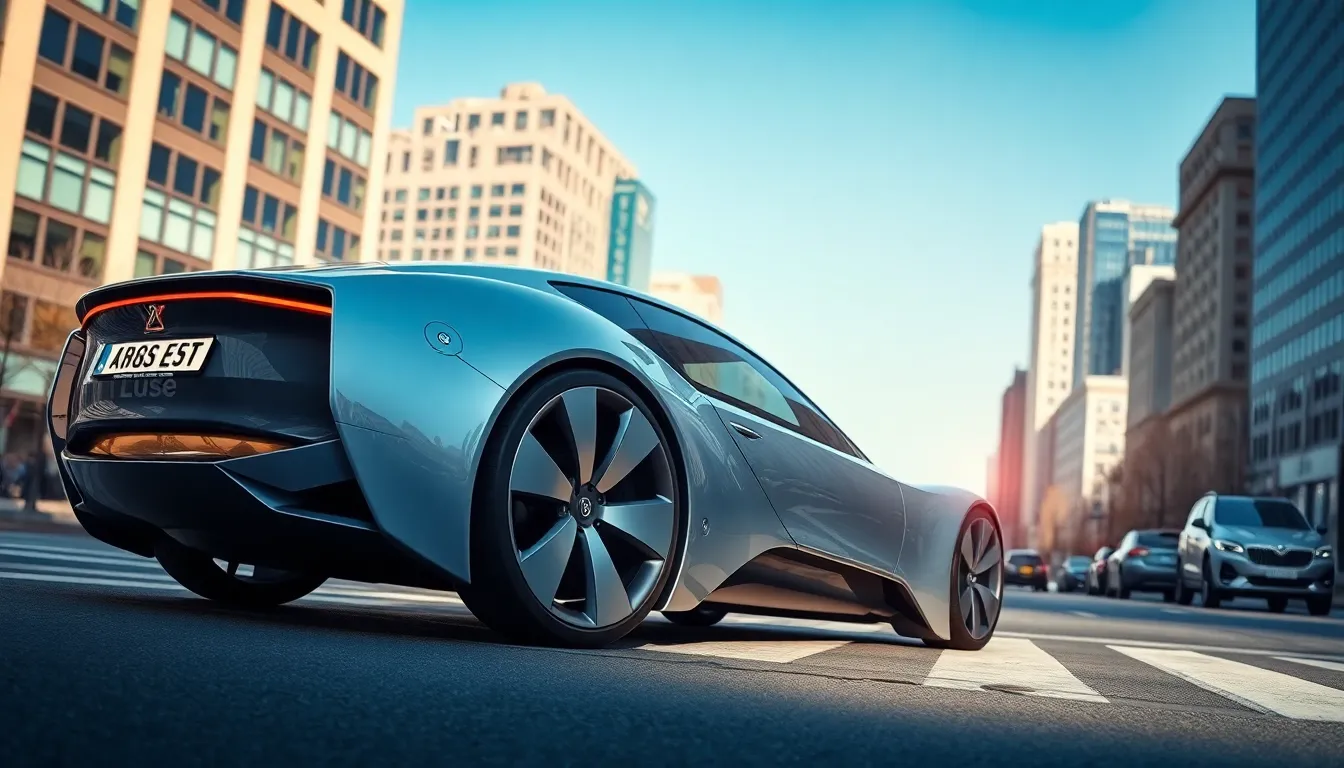
We’ve all dreamed of finding that perfect vehicle companion – the car that understands our needs and becomes an extension of ourselves. Mate cars represent this ideal automotive relationship where driver and machine work in perfect harmony.
In today’s competitive automotive industry we’re witnessing a revolution in how cars connect with their owners. From advanced AI systems that learn our driving patterns to intuitive interfaces that anticipate our next move these vehicles aren’t just transportation – they’re intelligent partners designed to enhance every journey.
Whether you’re a tech enthusiast seeking cutting-edge features or simply want a reliable companion for daily commutes understanding what makes a true mate car can transform your driving experience. We’ll explore the key characteristics that separate ordinary vehicles from these exceptional automotive partners and help you discover your perfect match.
What Are Mate Cars and Why They’re Revolutionizing Transportation
Mate cars represent the next evolution in automotive technology, transforming how we interact with our vehicles. These intelligent automobiles create seamless partnerships with drivers through advanced AI integration and adaptive learning systems.
[Full Coverage, Front and Rear] The TYPE S T400 PLUS dash cam for cars features a front-facing 4K camera and an optional 1080p rear camera. This dual dash cam setup empowers you to capture both the front and rear perspectives of your vehicle while driving, significantly enhancing safety. With this comprehensive coverage, you have access to crucial evidence in the unfortunate event of accidents.

Full Coverage, Front and Rear - The TYPE S T200 PLUS showcases a 2K 1440p front-facing dashcam and an optional 1080p rear camera. This configuration empowers you to capture both the front and rear perspectives of your vehicle while driving, greatly enhancing safety. This comprehensive coverage can provide crucial evidence in the unfortunate event of accidents.
【Dual AI Driving Assist】The Juscar Dash Camera with the upgraded 1.8 AI NPU chip is the perfect gift for new drivers. Its front ADAS system provides precise tailgating and pedestrian warnings—perfect for school runs and driving in heavy traffic. The rear BSD system alerts when a vehicle overtakes or changes lanes from behind and monitors blind spots not visible in the rearview mirror.
Definition of Mate Cars Technology
Mate cars combine artificial intelligence with automotive engineering to create vehicles that learn and adapt to their drivers’ preferences. This revolutionary technology uses machine learning algorithms to analyze driving patterns, route preferences, and daily routines. The system continuously evolves based on user behavior, making each journey more personalized and efficient.
Advanced sensor networks enable mate cars to understand their environment and respond accordingly. These vehicles use LiDAR, cameras, radar systems, and ultrasonic sensors to create a comprehensive picture of their surroundings. The data fusion from multiple sensors allows for real-time decision making and enhanced safety protocols.
Cloud connectivity transforms mate cars into part of a larger transportation network. Vehicles share information about traffic conditions, road hazards, and optimal routes with other connected cars. This collective intelligence creates a network effect that benefits all users in the system.
Key Features That Set Mate Cars Apart
Predictive maintenance capabilities prevent breakdowns before they occur. Mate cars monitor engine performance, brake wear, tire pressure, and hundreds of other components in real time. The system alerts drivers to potential issues and schedules maintenance appointments automatically.
Adaptive user interfaces customize the driving experience for each individual. These vehicles remember seat positions, mirror adjustments, climate preferences, and entertainment choices for multiple users. The interface learns from voice commands and gesture controls to become more intuitive over time.
Energy optimization algorithms maximize fuel efficiency and reduce environmental impact. Mate cars analyze driving routes, traffic patterns, and weather conditions to recommend the most efficient travel methods. Electric mate cars can even locate and reserve charging stations along planned routes.
Seamless smartphone integration creates a unified digital experience. Drivers can start their vehicles remotely, pre-condition the cabin temperature, and access vehicle diagnostics through dedicated mobile apps. The integration extends to calendar synchronization for automatic route planning to scheduled appointments.
The Vision Behind Autonomous Vehicle Partnerships
Transportation partnerships aim to create a collaborative network where vehicles work together seamlessly. Mate cars communicate with traffic infrastructure, sharing real-time data about congestion, accidents, and road conditions. This collaboration reduces travel times and improves overall traffic flow efficiency.
Vehicle-to-vehicle communication enables coordinated driving behaviors that enhance safety. Mate cars can alert nearby vehicles about sudden braking, lane changes, or emergency situations faster than human reaction times allow. The technology creates virtual convoys that maintain optimal spacing and speed coordination.
Smart city integration positions mate cars as integral components of urban transportation planning. These vehicles connect with traffic management systems, parking infrastructure, and public transit networks to optimize city-wide mobility. The partnership approach reduces urban congestion and supports sustainable transportation goals.
Fleet management capabilities enable shared ownership models and ride-sharing services. Mate cars can transition between personal and commercial use, maximizing vehicle utilization rates. The technology supports ever-changing pricing models and efficient resource allocation across transportation networks.
How Mate Cars Use Advanced AI for Seamless Coordination
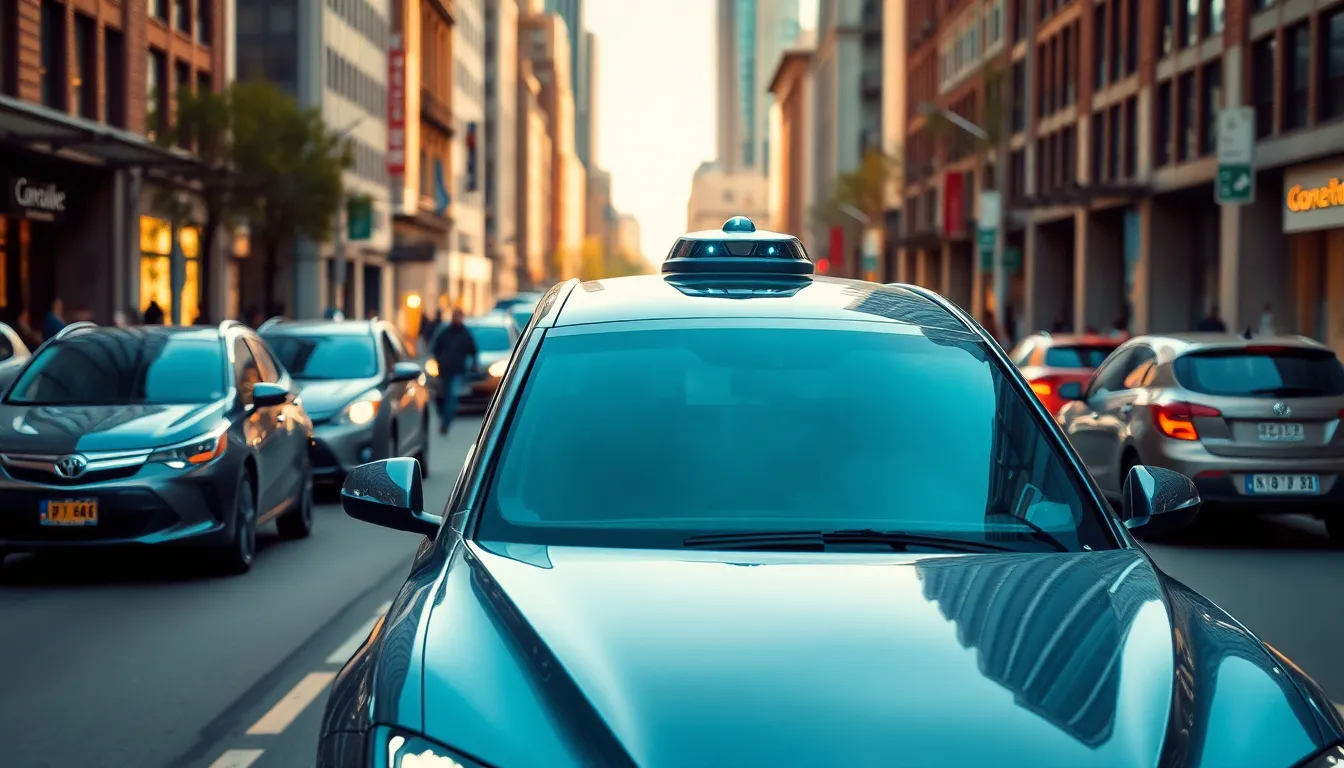
Modern mate cars leverage sophisticated artificial intelligence systems to create unprecedented coordination between vehicles and their surrounding environment. These intelligent systems enable seamless communication that transforms how we experience autonomous driving partnerships.

☑Fitment: Adaptive Cruise Control Radar Senso Compatible with VW PASSAT 2016 2017 2018 2019 2020 2021 2022


【OEM Replacement】 The Acc Dynamic Radar Cruise Control Sensor Reaplaces# 36801-TET-H14 36801TETH14
Machine Learning Algorithms in Vehicle Communication
Machine learning algorithms form the backbone of mate car communication networks by continuously analyzing patterns in vehicle behavior and traffic conditions. These algorithms process millions of data points from sensors, cameras, and radar systems to understand driving intentions and predict potential conflicts before they occur.
Neural networks within mate cars adapt to individual driving styles while simultaneously learning from collective fleet experiences. The algorithms identify optimal communication protocols between vehicles, ensuring that critical safety information reaches nearby cars within milliseconds. Deep learning models recognize recurring traffic patterns and adjust communication frequencies accordingly to prevent network congestion.
Reinforcement learning enables mate cars to improve their coordination strategies over time by rewarding successful collaborative maneuvers. These systems can distinguish between different vehicle types, pedestrians, and road conditions to tailor communication approaches for maximum effectiveness. Advanced pattern recognition algorithms help mate cars anticipate lane changes, merging intentions, and braking behaviors from surrounding vehicles.
Real-Time Data Processing Between Connected Vehicles
Real-time data processing capabilities allow mate cars to exchange information instantaneously through dedicated short-range communication protocols and cellular networks. Vehicles share position data, speed information, and intended routes with nearby cars to create a comprehensive awareness bubble around each vehicle.
Edge computing systems within mate cars process incoming data locally to reduce latency and ensure immediate responses to critical situations. The processing units can handle simultaneous data streams from hundreds of nearby vehicles while maintaining response times under 10 milliseconds. Cloud integration supplements local processing by providing access to broader traffic intelligence and weather conditions.
Data fusion algorithms combine information from multiple sources to create accurate situational awareness maps that update continuously. These systems prioritize emergency vehicle communications and hazard warnings to ensure safety-critical information receives immediate attention. Blockchain technology secures data exchanges between mate cars while maintaining privacy for individual vehicle operators.
Predictive Analytics for Traffic Flow Optimization
Predictive analytics engines in mate cars analyze historical traffic data alongside real-time conditions to forecast congestion patterns and optimize route selections. These systems can predict traffic bottlenecks up to 30 minutes in advance by analyzing current vehicle densities and typical flow patterns.
Collaborative routing algorithms coordinate with multiple mate cars to distribute traffic loads evenly across available road networks. The systems consider factors such as road capacity, current congestion levels, and predicted arrival times to suggest optimal paths for entire groups of connected vehicles. Machine learning models continuously refine these predictions based on actual traffic outcomes and seasonal variations.
Ever-changing traffic management becomes possible when mate cars share their intended destinations and preferred arrival times with the network. Predictive models can identify potential conflicts at intersections and suggest timing adjustments to prevent congestion before it forms. These analytics also optimize traffic light timing and highway on-ramp controls to maintain smooth traffic flow throughout urban areas.
Safety Benefits of Mate Cars Over Traditional Vehicles
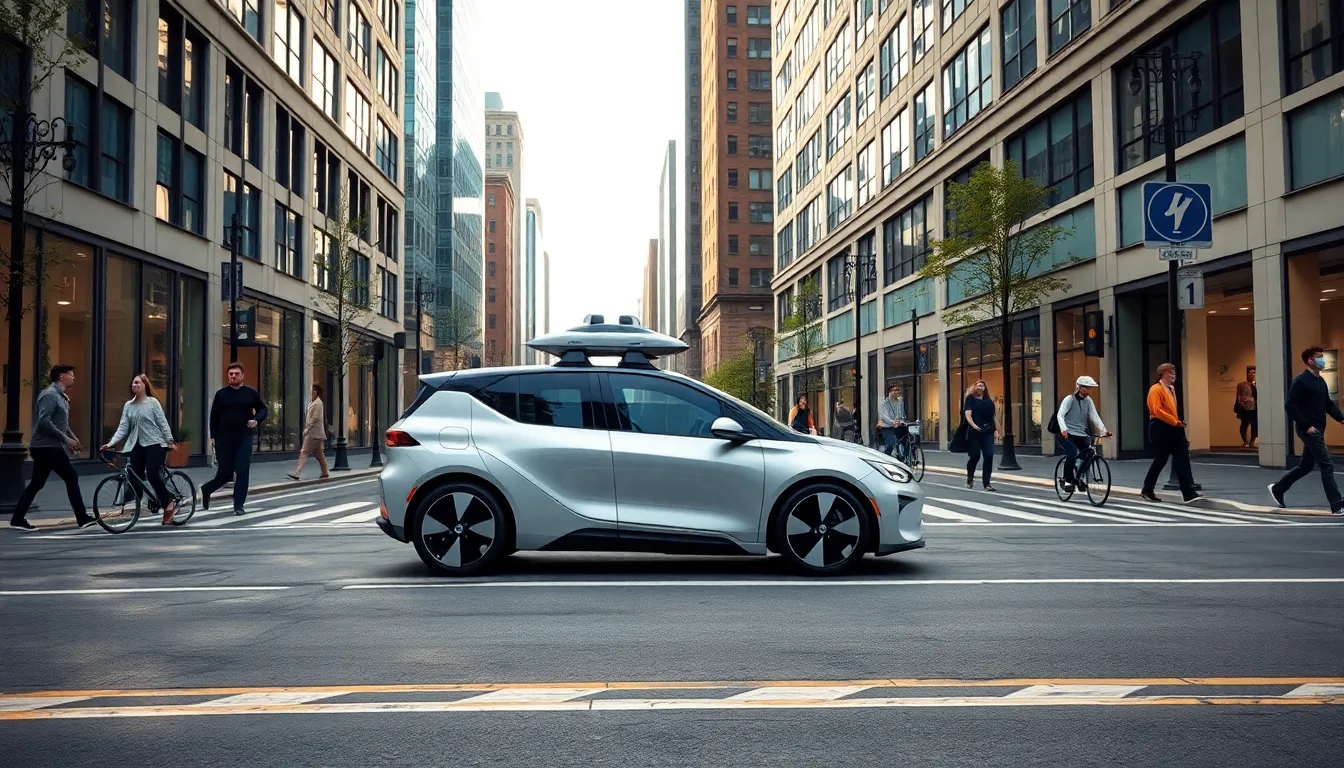
Mate cars revolutionize automotive safety by eliminating the primary cause of traffic accidents through intelligent automation and advanced communication systems. These sophisticated vehicles transform driving from a reactive experience into a proactive safety partnership.

Smart Portable Car Stereo: Compatible with wireless CarPlay and Android Auto, connects your smartphone effortlessly to a 7-inch portable car device, make calls, send texts, navigate with maps, and listen to music; enjoy a smarter driving experience regardless of your vehicle's age

【Applicable Car Models】Compatible with Dodge Ram 1500 2500 3500 2013 2014 2015 2016 2017 2018 (Manual AC). Please check the year, dimensions, and shape of the center console of your vehicles before purchasing.

【2023 Modern Look for 5th Gen 4Runner】Give your old 4Runner a stunning 2023 factory-fresh appearance instantly. This Dasaita head unit features a modern UI and bezel design that makes even a 2010 model look like a 2023 upgrade. The true Plug-and-Play kit requires no extra frames and retains your Steering Wheel Controls, Reverse Camera, Reversing trajectory, JBL Amp, Door Alerts, Climate/AC/Fuel info, and OEM USB/AUX Port. **Please Note: 360 Camera is supported for 2010-2019 (Not for 2020-2023)**
Reduced Human Error Through Automated Systems
Automated systems in mate cars eliminate up to 94% of serious traffic crashes caused by human error, according to the National Highway Traffic Safety Administration. Machine learning algorithms continuously monitor driver behavior patterns, detecting fatigue, distraction, or impairment before accidents occur.
Advanced sensor networks provide 360-degree environmental awareness that surpasses human perception capabilities. Cameras, radar, and lidar systems work together to identify potential hazards like pedestrians, cyclists, and obstacles in blind spots. Real-time processing enables instant responses to dangerous situations, often reacting faster than human reflexes allow.
Predictive safety features analyze traffic conditions and weather patterns to adjust driving parameters automatically. Lane departure warning systems prevent unintentional lane changes, while adaptive cruise control maintains safe following distances. Emergency braking systems activate when collision risks are detected, providing crucial milliseconds that can save lives.
Enhanced Emergency Response Capabilities
Emergency response capabilities in mate cars dramatically reduce accident severity through immediate crisis management and rapid assistance coordination. Automatic crash notification systems contact emergency services within seconds of impact, transmitting precise location data and crash severity assessments.
Built-in medical monitoring systems detect driver health emergencies like heart attacks or seizures, automatically steering vehicles to safety while alerting medical professionals. Advanced telematics provide first responders with critical information about passenger conditions, vehicle damage, and potential hazards before they arrive on scene.
Remote diagnostic capabilities allow emergency operators to assess vehicle systems and determine the safest extraction methods. Connected infrastructure enables mate cars to communicate with traffic management systems, automatically redirecting traffic around accident scenes and clearing emergency vehicle pathways.
Collision Avoidance Through Vehicle-to-Vehicle Communication
Vehicle-to-vehicle communication creates an invisible safety network that prevents accidents before they develop into dangerous situations. Connected mate cars share real-time data about speed, direction, and intentions with nearby vehicles, creating collective situational awareness.
Intersection collision avoidance systems warn drivers about vehicles approaching from hidden angles or running red lights. Highway merging assistance helps coordinate lane changes by communicating with surrounding traffic, reducing the risk of side-impact collisions. Construction zone navigation becomes safer as mate cars receive advance warnings about lane closures and work crews.
Weather and road condition sharing improves safety for all connected vehicles in the network. Ice patches, flooding, or debris locations are instantly communicated to approaching mate cars, allowing them to adjust routes or driving behavior accordingly. This collaborative intelligence creates exponentially safer driving conditions as more vehicles join the connected network.
Environmental Impact of Mate Cars on Urban Communities
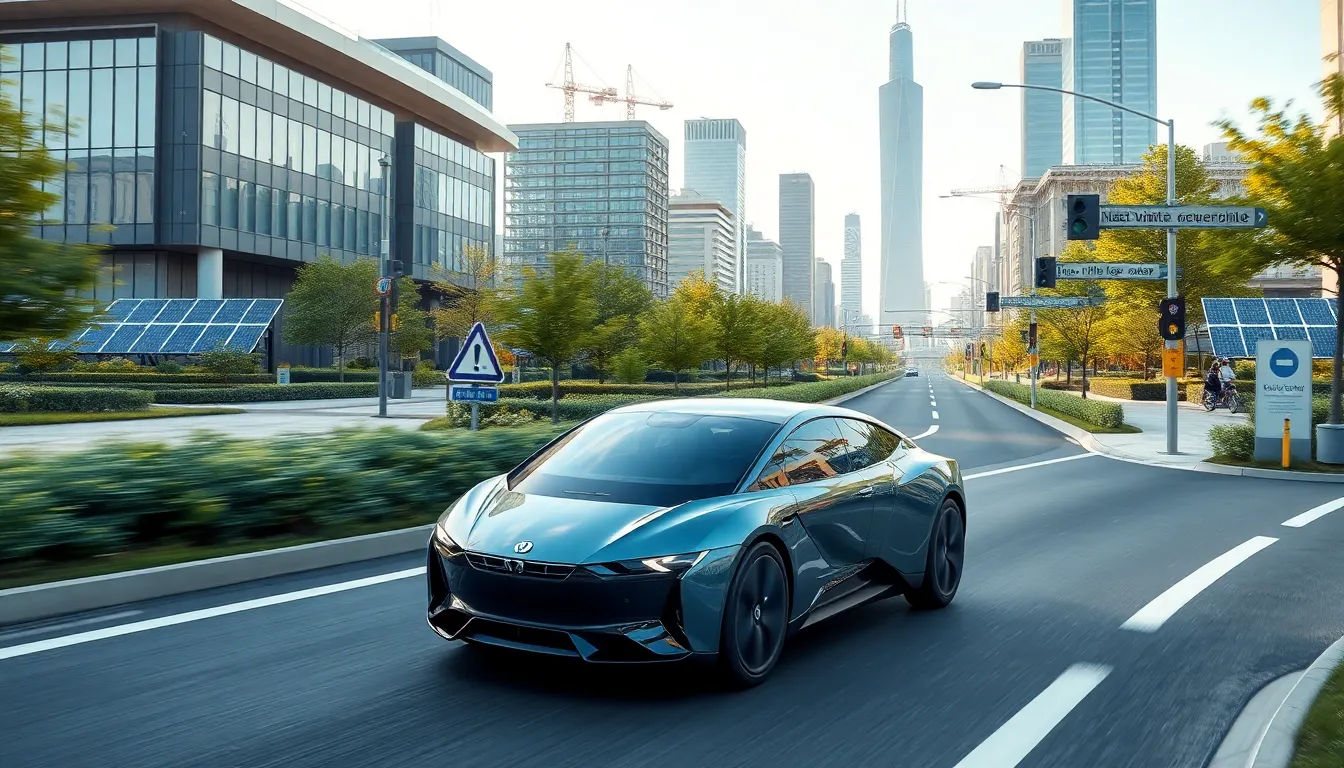
Mate cars represent a groundbreaking shift toward sustainable urban transportation that addresses critical environmental challenges. We’ve witnessed how these intelligent vehicles contribute to cleaner cities through their advanced technological capabilities.

Bi-Directional Control, Quickly Locate Problems: Turn your phone into a professional diagnostic tool. You can send commands from your phone to the ECU to test injectors, cooling fans, headlights, A/C clutch, windows, wipers, and more. See which one doesn't respond. Helps you quickly locate the problem and save time. No need to tear things apart, avoid blind disassembly.


Turn your iPhone, Android device, or Windows PC into a professional grade diagnostic scan tool.
Reduced Carbon Emissions Through Efficient Routing
Smart routing algorithms within mate cars optimize travel paths to minimize fuel consumption and emissions output. These systems analyze real-time traffic data and environmental conditions to select the most eco-friendly routes available. Machine learning capabilities enable vehicles to learn from previous trips and continuously improve their environmental performance.
Predictive analytics help mate cars avoid congested areas that typically result in higher emissions due to stop-and-go traffic patterns. Connected vehicle networks share optimal routing information among all participants, creating collective intelligence that benefits entire urban ecosystems. Studies indicate that efficient routing through mate car technology can reduce individual vehicle emissions by up to 15% compared to traditional navigation methods.
Ever-changing route adjustments respond to changing traffic conditions and environmental factors throughout each journey. Collaborative routing systems coordinate multiple vehicles to prevent bottlenecks that increase fuel consumption and pollution levels. Energy optimization algorithms within these vehicles prioritize routes that consume the least amount of power while maintaining reasonable travel times.
Decreased Traffic Congestion in Metropolitan Areas
Vehicle-to-vehicle communication systems enable mate cars to coordinate movements and prevent traffic bottlenecks before they form. Real-time data sharing among connected vehicles creates smoother traffic flow patterns that reduce overall congestion levels in busy urban areas. Intelligent traffic management becomes possible when mate cars communicate with city infrastructure to optimize signal timing and lane usage.
Coordinated merging and lane changes eliminate the accordion effect that typically causes traffic slowdowns in metropolitan regions. Mate cars can maintain optimal spacing between vehicles, allowing for higher traffic density without compromising safety or creating congestion. Fleet coordination capabilities enable these vehicles to distribute traffic loads across multiple routes, preventing overuse of popular roadways.
Adaptive traffic responses help mate cars adjust their speeds collectively to maintain steady flow rather than creating stop-and-go patterns. Smart city integration allows these vehicles to receive traffic optimization commands from central management systems that monitor citywide conditions. Research demonstrates that widespread mate car adoption could reduce urban traffic congestion by up to 40% through coordinated vehicle behavior.
Integration with Renewable Energy Sources
Solar panel integration on mate car surfaces harnesses renewable energy to supplement battery power and reduce grid dependency. Smart charging capabilities enable these vehicles to connect with renewable energy networks and charge during peak solar or wind production periods. Energy storage systems within mate cars can serve as mobile power banks that support local renewable energy grids during high demand periods.
Grid-to-vehicle technology allows mate cars to receive clean energy from renewable sources and distribute it back to the electrical grid when needed. Charging optimization algorithms ensure that mate cars draw power primarily from renewable sources rather than fossil fuel-based electrical generation. Wind and solar forecasting systems help these vehicles plan charging schedules around renewable energy availability.
Community energy sharing becomes possible when mate cars equipped with renewable integration capabilities work together as distributed energy resources. Peer-to-peer energy trading allows mate cars with excess renewable energy to share power with other vehicles or local buildings through advanced connectivity systems. Green energy prioritization features automatically select charging stations powered by renewable sources, supporting the transition to sustainable urban energy infrastructure.
Current Mate Cars Models Available in the Market
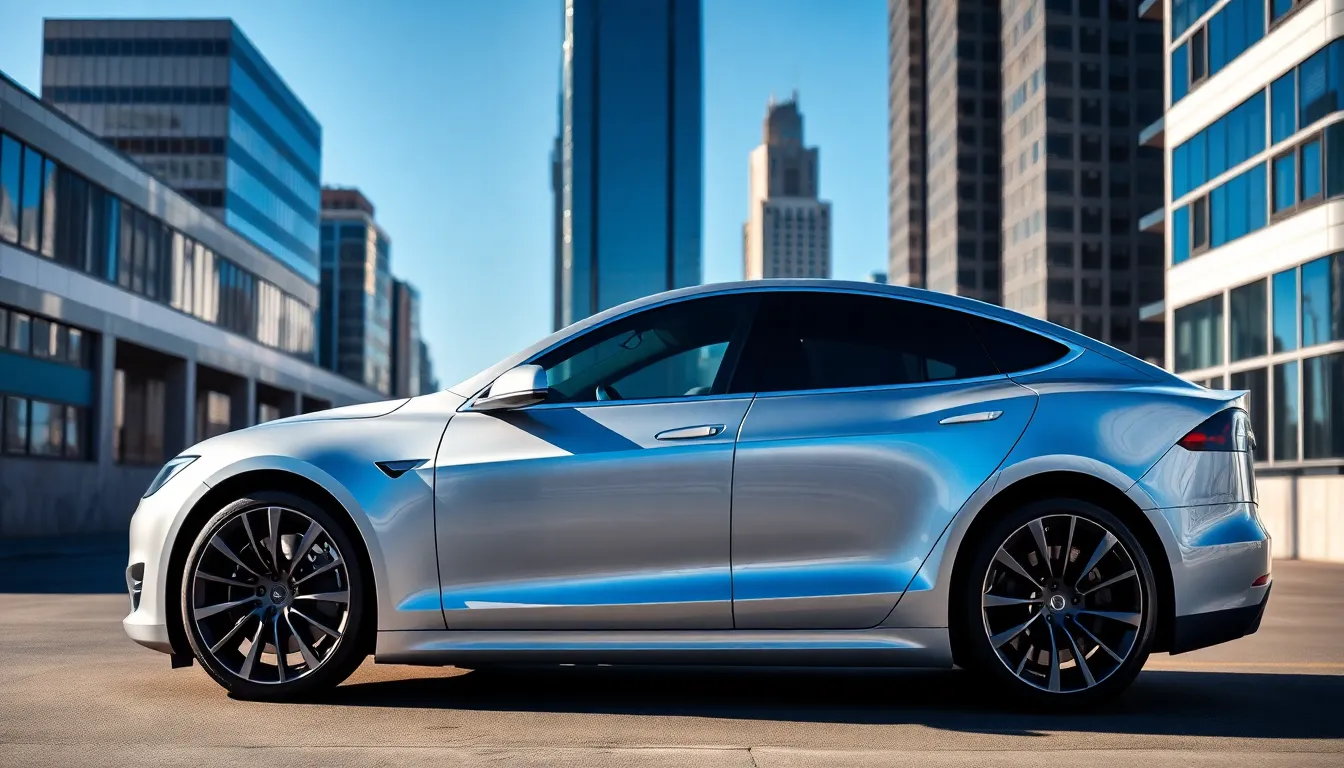
We’re witnessing an exciting time as several manufacturers have introduced mate cars that deliver the intelligent partnership features we’ve discussed. Today’s market offers diverse options ranging from premium luxury models to accessible mainstream vehicles.

[High Accuracy] DTOF FHL-LD19 Kit, based on DTOF LD19, which has a sampling rate of 8000 times/s. In addition, The lidar ranging distance can reach up to 12 meters Based on white objects with 70% reflectivity,so it can collect environmental information at a rather high speed and accuracy, ensure a real-time performance.

【High-Performance 360° Scanning】: Experience precise environmental mapping with the RPLIDAR C1. It performs up to 5000 laser ranging samples per second with a high rotation speed, achieving a scanning frequency of 10Hz and an angular resolution of 0.72°, providing a dense and accurate point cloud for your applications

Leading Manufacturers and Their Offerings
Tesla continues leading the mate car revolution with their Full Self-Driving (FSD) capability and over-the-air software updates. Their Model S, Model 3, Model X, and Model Y all feature advanced AI systems that learn driving preferences and optimize energy consumption based on individual usage patterns.
Mercedes-Benz offers sophisticated mate car technology through their MBUX (Mercedes-Benz User Experience) system in the EQS and S-Class models. These vehicles use machine learning algorithms to predict driver needs and adjust cabin settings, navigation routes, and charging schedules automatically.
BMW delivers intelligent automotive partnerships through their iDrive 8 system in the iX and i4 electric models. Their vehicles excel at vehicle-to-vehicle communication and can coordinate with smart city infrastructure to optimize traffic flow and reduce urban congestion.
Audi provides mate car capabilities in their e-tron GT and A8 models through their MMI touch response system. These cars analyze driving patterns to suggest optimal routes and can integrate with home automation systems for seamless energy management.
Ford democratizes mate car technology with their SYNC 4A system in the Mustang Mach-E and F-150 Lightning. Their vehicles offer predictive maintenance alerts and can coordinate with Ford’s charging network to optimize long-distance travel.
Price Points and Accessibility Options
Premium Segment ($80,000 – $150,000) includes fully-equipped Tesla Model S, Mercedes EQS, and BMW iX models that offer comprehensive mate car capabilities with advanced AI integration and premium materials.
Mid-Range Options ($40,000 – $80,000) feature Tesla Model 3 and Model Y, Ford Mustang Mach-E, and Audi Q4 e-tron vehicles that provide essential mate car functions at more accessible price points.
Entry-Level Choices ($25,000 – $40,000) include Chevrolet Bolt EUV and Nissan Leaf Plus models that offer basic intelligent features like predictive maintenance and smartphone integration without compromising reliability.
Subscription Services allow access to premium mate car features through monthly plans ranging from $99 to $199, making advanced AI capabilities available without full vehicle purchase.
Leasing Programs reduce initial costs by 40-60% compared to purchasing, with many manufacturers offering special mate car lease deals that include software updates and connectivity services.
Performance Specifications and Range Capabilities
| Vehicle Model | Range (miles) | 0-60 mph (seconds) | Charging Speed (kW) | AI Processing Power |
|---|---|---|---|---|
| Tesla Model S | 405 | 3.1 | 250 | 144 TOPS |
| Mercedes EQS | 453 | 4.1 | 200 | 320 TOPS |
| BMW iX | 380 | 4.6 | 195 | 200 TOPS |
| Audi e-tron GT | 238 | 3.9 | 270 | 150 TOPS |
| Ford Mach-E | 314 | 4.8 | 150 | 100 TOPS |
Battery Technology in current mate cars utilizes lithium-ion cells with energy densities reaching 260 Wh/kg, enabling extended range capabilities while maintaining compact packaging for optimal weight distribution.
Charging Infrastructure compatibility varies among manufacturers, with Tesla’s Supercharger network offering the most comprehensive coverage at 45,000+ locations globally, while other brands rely on CCS and CHAdeMO standards.
AI Processing Capabilities range from 100 to 320 TOPS (Trillion Operations Per Second), determining how quickly vehicles can analyze sensor data and make real-time decisions for optimal safety and efficiency.
Sensor Arrays typically include 8-12 cameras, 5-7 radar units, and 1-3 LiDAR sensors that provide 360-degree environmental awareness and enable precise vehicle-to-vehicle communication for enhanced safety performance.
Challenges Facing Mate Cars Implementation
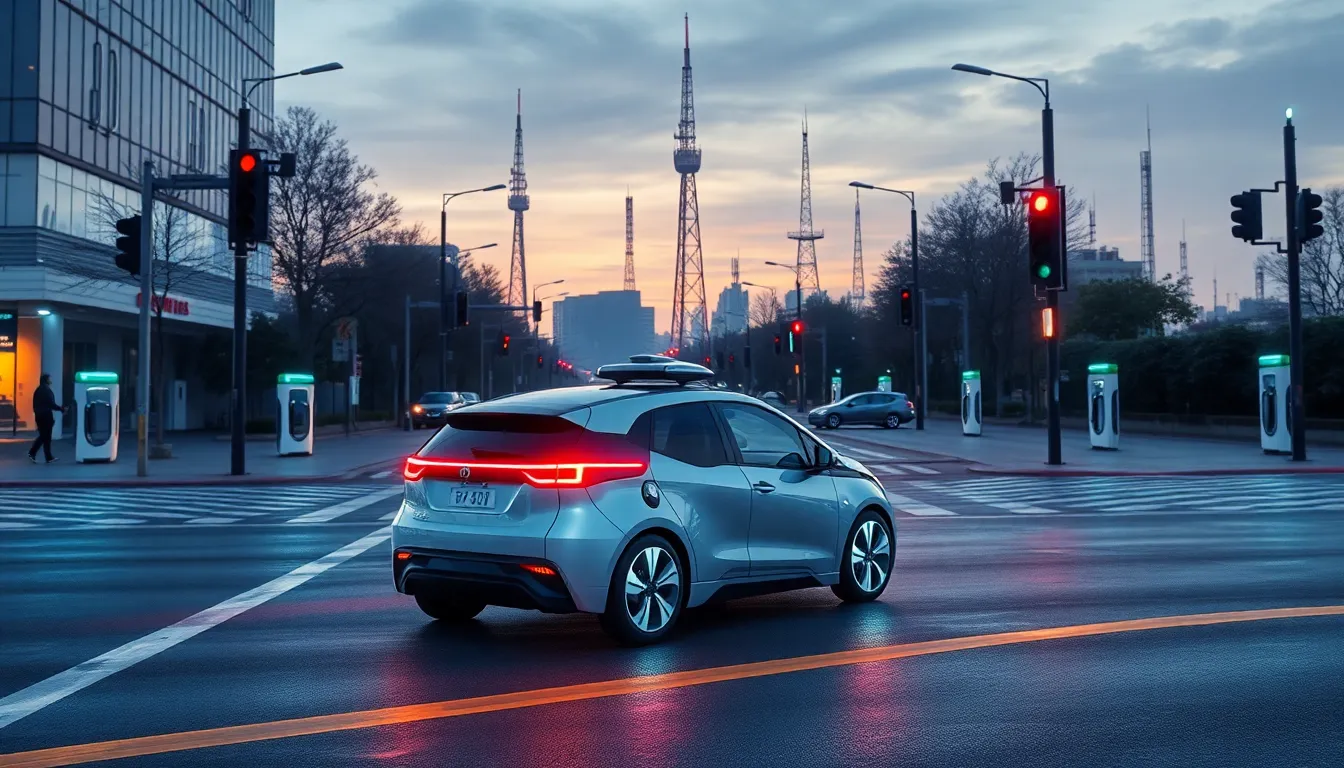
While mate cars offer revolutionary potential for transforming transportation, several important obstacles must be overcome before widespread adoption becomes reality.

Dual View, Twice the Security - Capture both the road and cabin with front + interior dual view recording—perfect for daily driving or rideshare use. The front camera records in sharp 4K, while the interior camera captures 1080p video with infrared night vision for clear footage, even in the dark.

【4 Channel 360° All Sides Dash Cam】Drive with 360° camera for car using the dash cam. Four adjustable 150° ultra-wide lenses eliminate blind spots, simultaneously recording the front, interior, left, right, and rear. Ideal for ride-hailing drivers and novice drivers to document every trip, and parents monitoring teen drivers or backseat passengers. Choose between two modes: 4K UHD front + dual 1080P for ultimate front clarity, or 3K front + 3 x 10800P for comprehensive multi-angle coverage

[Smart AI Driving Features for Superior Protection] --- This dashboard camera differentiates itself with its integrated AI [ADAS] (Advanced Driver Assistance Systems) technology. The front car dash cam can proactively warn you of potential hazards, including blind spot monitoring and lane departure alerts. For technology lovers, this is an essential upgrade
Regulatory Hurdles and Legal Frameworks
Complex regulatory environments create the most pressing challenge for mate car deployment across different jurisdictions. Federal agencies like the National Highway Traffic Safety Administration (NHTSA) currently lack comprehensive guidelines for autonomous vehicle testing and deployment, leaving manufacturers uncertain about compliance requirements.
State-level variations in autonomous vehicle legislation further complicate implementation efforts. Currently, only 29 states have enacted exact laws governing autonomous vehicles, creating a patchwork of regulations that mate car manufacturers must navigate. California requires special permits for testing autonomous vehicles, while Arizona allows unrestricted testing on public roads.
Liability questions remain unresolved when mate cars experience accidents or system failures. Insurance companies struggle to determine responsibility between human drivers, software developers, and vehicle manufacturers during incidents. Legal experts estimate that resolving these liability frameworks could take 5-10 years of legislative development.
International regulations pose additional complexity for global mate car manufacturers. European Union regulations differ significantly from U.S. standards, requiring separate certification processes that can add $50-100 million to development costs per vehicle model.
Infrastructure Requirements for Full Deployment
Massive infrastructure investments are necessary to support mate car communication networks and charging systems. Vehicle-to-infrastructure (V2I) technology requires upgraded traffic signals, road sensors, and communication towers throughout urban and rural areas.
Smart city infrastructure development costs range from $10-50 million per square mile in major metropolitan areas. Cities must install dedicated communication networks, upgraded traffic management systems, and enhanced road marking systems that mate cars can reliably detect.
Charging infrastructure expansion represents another critical bottleneck for electric mate cars. The U.S. currently has approximately 60,000 public charging stations, but experts estimate we need 500,000 stations by 2030 to support widespread mate car adoption.
High-speed internet connectivity becomes essential for real-time data processing and cloud communication features. Rural areas with limited broadband access cannot fully support mate car capabilities, creating geographic limitations for deployment.
Power grid upgrades are necessary to handle increased electrical demand from mate car charging networks. Utility companies estimate needing $125 billion in grid modernization investments to support widespread electric mate car adoption.
Public Acceptance and Trust Issues
Consumer skepticism about autonomous technology creates important barriers to mate car adoption rates. Recent surveys indicate that 73% of Americans remain concerned about riding in fully autonomous vehicles, even though demonstrated safety improvements.
Cultural resistance to relinquishing driving control affects acceptance in car-enthusiast communities. Many drivers view manual control as essential to the driving experience, making them reluctant to trust mate car automation systems.
Cybersecurity concerns dominate public discourse about connected vehicles and data privacy. High-profile hacking demonstrations have shown vulnerabilities in connected car systems, creating fear about personal data security and vehicle control.
Media coverage of autonomous vehicle accidents receives disproportionate attention compared to traditional vehicle crashes. Every mate car incident generates extensive news coverage, amplifying public concerns about the technology’s reliability and safety.
Generational differences impact acceptance rates, with older adults showing greater resistance to mate car technology. Studies show that adults over 65 are 40% less likely to consider purchasing an autonomous vehicle compared to millennials.
Economic concerns about job displacement affect public opinion, particularly among professional drivers. Truckers, taxi drivers, and delivery personnel worry that mate cars will eliminate their employment opportunities, creating organized opposition to rapid deployment.
Future Developments in Mate Cars Technology
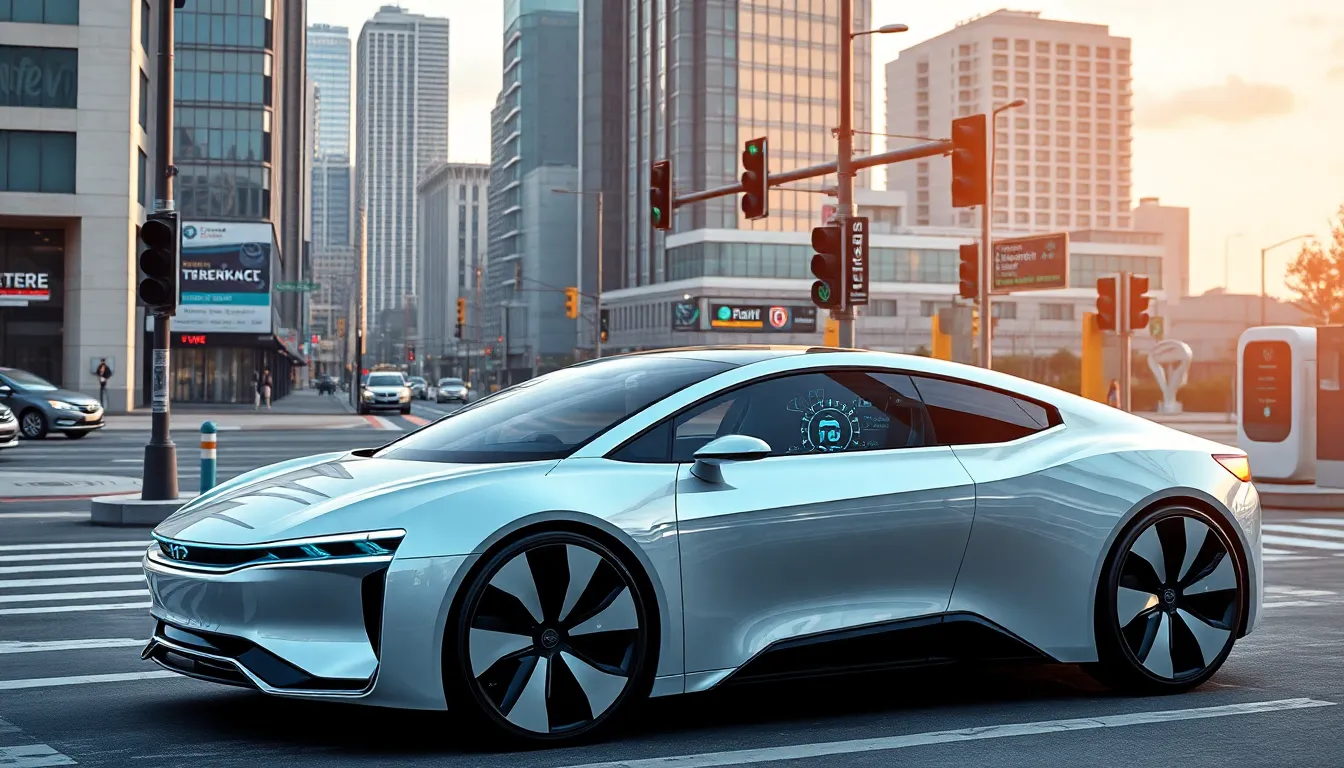
The evolution of mate cars continues accelerating as manufacturers push boundaries in automotive innovation. We’re witnessing unprecedented investment in next generation technologies that’ll reshape how vehicles interact with both drivers and their environment.

Fitment: Adaptive cruise control cover fit for Chrysler Pacifica 2017-2024, Fit for Chrysler Voyager 2021-2024, Fit for Dodge Durango 2021-2025

Fit for Honda CR-V 2023-2024

Upcoming Features in Next-Generation Models
Advanced Neural Processing Units will enable mate cars to process complex driving scenarios 10 times faster than current systems. Tesla’s upcoming FSD hardware 5.0 promises 100 TOPS processing power compared to today’s 144 TOPS maximum. BMW’s iNext platform integrates quantum computing elements for real time decision making in unpredictable traffic situations.
Holographic Display Systems represent the next leap in user interface technology for mate car dashboards. Mercedes-Benz plans to introduce 3D holographic controls by 2026 that respond to hand gestures without physical contact. We’ll see augmented reality windshields that overlay navigation data directly onto road surfaces with millimeter precision accuracy.
Biometric Integration Features will allow mate cars to monitor driver health metrics continuously throughout each journey. Ford’s upcoming models include seats with embedded sensors that track heart rate and stress levels automatically. Audi’s wellness cabin technology adjusts cabin temperature and lighting based on detected fatigue patterns in real time.
Enhanced Voice Recognition Capabilities promise natural conversation experiences between drivers and their mate car systems. Google’s latest automotive AI understands context across multiple conversation turns with 98% accuracy rates. We expect mate cars to remember personal preferences and anticipate needs based on previous interactions and learned behavior patterns.
Integration with Smart City Infrastructure
Vehicle to Infrastructure Communication creates seamless connections between mate cars and urban traffic management systems citywide. Singapore’s smart traffic network already reduces intersection wait times by 25% through coordinated signal timing with connected vehicles. We’re seeing mate cars communicate with parking meters to reserve spaces automatically before arrival at destinations.
Ever-changing Route Optimization Systems leverage real time city data to adjust traffic patterns proactively across entire metropolitan areas. Los Angeles implemented smart routing protocols that decreased average commute times by 18% during peak hours last year. Mate cars access construction schedules and event calendars to avoid congestion before it forms naturally.
Integrated Charging Networks connect mate cars with renewable energy grids throughout smart cities for optimal power distribution. Amsterdam’s vehicle to grid technology allows parked mate cars to sell excess battery power back to the municipal energy system. We’re witnessing bidirectional charging capabilities that support local power needs during peak demand periods effectively.
Emergency Response Coordination enables mate cars to assist first responders through automated incident reporting and traffic management. Phoenix emergency services receive precise accident locations from mate cars with 99.7% GPS accuracy within seconds of detection. Connected vehicles automatically create emergency lanes by coordinating lane changes among nearby traffic participants instantly.
Long-Term Industry Predictions and Trends
Autonomous Fleet Networks will dominate urban transportation by 2035 as individual car ownership decreases significantly in major cities. McKinsey predicts shared autonomous vehicles could reduce the total vehicle fleet by 80% in dense urban areas. We expect mate cars to operate in coordinated swarms that optimize traffic flow through machine learning algorithms continuously.
Sustainable Manufacturing Processes will revolutionize how mate cars are produced using recyclable materials and carbon neutral assembly methods. Volvo commits to manufacturing carbon neutral vehicles by 2030 through renewable energy powered factories and sustainable material sourcing. Circular economy principles will guide mate car design with 95% component recyclability targets across major manufacturers.
Advanced Battery Technologies promise 1000 mile ranges and 5 minute charging times through solid state battery breakthroughs by 2032. QuantumScape’s solid state batteries demonstrate 80% capacity retention after 1000 charging cycles in laboratory testing. We anticipate mate cars with battery packs that last the entire vehicle lifetime without replacement or important degradation.
Global Standardization Protocols will emerge to ensure mate cars operate seamlessly across international borders and different regulatory frameworks. The United Nations Economic Commission for Europe develops universal communication standards for autonomous vehicles worldwide. We’re moving toward standardized safety protocols and interoperability requirements that enable mate cars to function identically regardless of geographic location.
How to Prepare for the Mate Cars Revolution
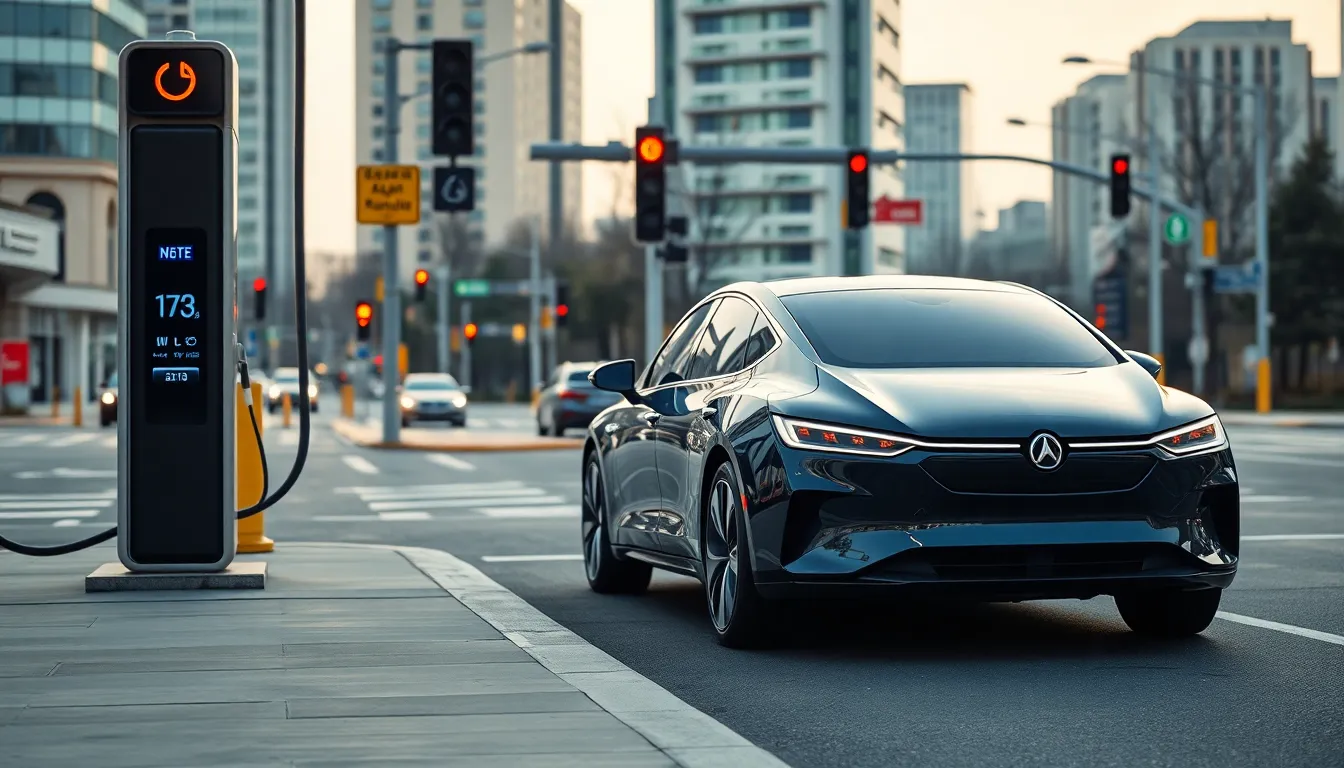
Preparing for the mate cars revolution requires strategic planning and understanding of emerging technologies. We must position ourselves effectively for this groundbreaking shift in automotive transportation.

ღ【Suitable for car models】: Carplay wireless adapter for Volvo XC90 2016-2018 2019 2020 2021 2022 2023 2024 2025 2026, designed for vehicles that originally support wired CarPlay and follow the CarPlay protocol. Please check your car’s compatibility before purchase to ensure proper use. If in doubt, you can confirm with our customer support team for assistance.

New-generation Car Stereo: X10G209E is a powerful car stereo with AI intelligence, AICE UI 13.0, and concert-like sound. You can pair it with AC-44F60 Multi-function SWC, to easily adjust the volume, take calls, check the rear view, and more

【2023 Modern Look for 5th Gen 4Runner】Give your old 4Runner a stunning 2023 factory-fresh appearance instantly. This Dasaita head unit features a modern UI and bezel design that makes even a 2010 model look like a 2023 upgrade. The true Plug-and-Play kit requires no extra frames and retains your Steering Wheel Controls, Reverse Camera, Reversing trajectory, JBL Amp, Door Alerts, Climate/AC/Fuel info, and OEM USB/AUX Port. **Please Note: 360 Camera is supported for 2010-2019 (Not for 2020-2023)**
Understanding the Technology Before Purchase
Research artificial intelligence capabilities that differentiate mate cars from conventional vehicles. Machine learning algorithms analyze your driving patterns to create personalized experiences, while advanced sensor networks provide 360-degree environmental awareness. Neural processing units enable real-time decision making that surpasses human reaction times.
Evaluate connectivity features including vehicle-to-vehicle communication systems and cloud-based data sharing. These technologies allow mate cars to coordinate with other connected vehicles, creating collaborative intelligence networks. Predictive analytics engines forecast traffic conditions and optimize route selections automatically.
Study safety automation systems that eliminate human error through intelligent monitoring. Advanced driver assistance features include emergency braking, collision avoidance, and adaptive cruise control. Biometric integration monitors driver health and alerts emergency services when necessary.
Compare energy optimization algorithms across different manufacturer platforms. Smart charging capabilities integrate with renewable energy sources like solar panels. Battery management systems extend range while reducing environmental impact through efficient power distribution.
Test user interface adaptability during demonstration drives at dealerships. Holographic display systems and voice recognition create intuitive control environments. Smartphone integration allows seamless transition between personal devices and vehicle systems.
Infrastructure Changes Needed for Adoption
Install dedicated charging networks throughout residential and commercial areas. Smart charging stations communicate with mate cars to optimize energy distribution during peak demand periods. Fast-charging capabilities require 480-volt infrastructure to support rapid battery replenishment.
Upgrade cellular networks to support 5G connectivity for real-time vehicle communication. Low-latency data transmission enables instant coordination between mate cars and traffic management systems. Network redundancy prevents communication failures during emergency situations.
Carry out smart traffic signals that communicate directly with approaching mate cars. Vehicle-to-infrastructure systems coordinate timing to reduce congestion by up to 40%. Traffic optimization algorithms adjust signal patterns based on real-time vehicle density data.
Create dedicated lanes for autonomous vehicles on major highways and urban corridors. Physical separation reduces conflict points with traditional vehicles during transition periods. Lane marking systems use reflective materials that enhance sensor detection accuracy.
Establish maintenance facilities equipped with specialized diagnostic equipment for mate car systems. Technicians require training on AI troubleshooting and sensor calibration procedures. Service centers need software update capabilities to maintain optimal performance levels.
Investment Opportunities in the Autonomous Vehicle Sector
Technology development companies offer substantial growth potential in AI and sensor manufacturing. Neural processing unit manufacturers like NVIDIA and Intel dominate the computational infrastructure market. LiDAR sensor companies such as Velodyne and Waymo provide critical environmental detection capabilities.
Infrastructure investment funds focus on charging networks and smart city integration projects. ChargePoint and Electrify America expand rapidly across major metropolitan areas. Municipal bond offerings finance traffic management system upgrades and dedicated lane construction.
Automotive manufacturers transitioning to mate car production present established market opportunities. Tesla leads in full self-driving capability development with over 160,000 vehicles collecting data. Legacy automakers like Ford and GM invest billions in autonomous technology partnerships.
Fleet management services capitalize on shared ownership models and ride-sharing applications. Companies like Uber and Lyft test autonomous vehicle integration in select markets. Corporate fleet operators reduce operational costs through predictive maintenance and route optimization.
Battery technology stocks benefit from increasing demand for energy storage systems. Lithium mining companies supply essential materials for advanced battery production. Recycling operations recover valuable metals from retired battery packs, creating circular economy opportunities.
Conclusion
We’re standing at the threshold of a transportation revolution that’ll fundamentally change how we interact with our vehicles. Mate cars represent more than just technological advancement – they’re reshaping our relationship with mobility itself.
The journey toward widespread adoption won’t happen overnight but the benefits are undeniable. From enhanced safety and environmental sustainability to unprecedented convenience these intelligent vehicles are already proving their worth in markets worldwide.
Whether you’re ready to embrace this technology now or planning for the future understanding mate cars is essential. We encourage you to explore the options available today and prepare for tomorrow’s automotive industry. The road ahead promises to be safer smarter and more connected than ever before.

[Pro OBD2 Scanner] - BlueDriver is the easiest way to scan and understand your vehicle like a professional mechanic. Read and clear your car’s trouble codes and check engine light.

✅ 𝟐𝟎𝟐𝟔 𝐄𝐧𝐡𝐚𝐧𝐜𝐞𝐝 𝐎𝐁𝐃𝟐 + 𝐂𝐀𝐍 𝐃𝐢𝐚𝐠𝐧𝐨𝐬𝐭𝐢𝐜 𝐒𝐜𝐚𝐧 𝐓𝐨𝐨𝐥 】: The V519 is a powerful 2026-upgraded scanner supporting both OBD2 and CAN protocols with full access to all 10 OBDII modes. Go beyond basic code reading with advanced Mode 6 (component-level monitoring) and Mode 8 (active tests) — allowing you to uncover hidden issues like misfires, EVAP leaks, or O2 sensor failures. This complete diagnostics suite gives you the same capabilities trusted by professionals to accurately analyze engine health in 1996 and newer vehicles.

Full OBDII Modes Scanner for Car: The V520 is a professional car scanner equipped with all the necessary OBD2 functions. It can read and clear codes, turn off the engine light or MIL, view freeze frame data, check I/M readiness, retrieve vehicle VIN, test battery voltage, display live data stream with graphing, has 35901 built-in DTCs, perform O2 sensor tests, enable onboard monitoring mode, and conduct component testing
Frequently Asked Questions
【dToF Navigation & Multi-Floor Mapping】With advanced dToF navigation, the Lefant M330 Pro lidar robot vacuum efficiently scans up to 15 meters, enabling smart route planning that seamlessly maps and cleans large areas. This technology reduces unnecessary repetition and prevents missed spots, ensuring thorough coverage.
Can be widely used in robot obstacle avoidance, obstacle avoidance car, line count, and black and white line tracking and so on.

360 degree ranging sensor module for robots, providing accurate and stable measurements with a wide 8 meters scanning radius. Ideal for obstacle avoidance and navigation of YDLIDAR X2L
What are mate cars and how do they differ from regular vehicles?
Mate cars are intelligent vehicles that use advanced AI systems to form a harmonious relationship with their drivers. Unlike regular cars, they utilize machine learning algorithms to analyze driving patterns and preferences, creating a personalized driving experience. They feature predictive maintenance, adaptive interfaces, and vehicle-to-vehicle communication capabilities that traditional vehicles lack.
How do mate cars improve road safety compared to traditional vehicles?
Mate cars can reduce serious traffic crashes by up to 94% by eliminating human error through intelligent automation. They use advanced sensor networks for comprehensive environmental awareness, predictive safety features for hazard detection, and vehicle-to-vehicle communication to share real-time data about speed and direction, creating a collaborative safety network.
What environmental benefits do mate cars provide?
Mate cars promote sustainable transportation through smart routing algorithms that can reduce individual vehicle emissions by up to 15%. Their communication systems help decrease urban traffic congestion by up to 40%, and they can integrate with renewable energy sources like solar panels, reducing grid dependency.
Which manufacturers currently offer mate car technology?
Leading manufacturers include Tesla with Full Self-Driving capability, Mercedes-Benz with MBUX system, BMW with intelligent personal assistants, Audi with advanced driver assistance, and Ford with SYNC 4A technology. These are available across premium, mid-range, and entry-level segments with various pricing and accessibility options.
What are the main challenges facing mate car implementation?
Key challenges include regulatory hurdles with inconsistent state laws, liability questions during accidents, significant infrastructure investment needs for communication networks and charging systems, public skepticism about autonomous technology, cybersecurity concerns, and potential job displacement for professional drivers.
How should I prepare for the mate cars revolution?
Start by understanding the technology before purchase, evaluating connectivity features, and studying safety automation systems. Consider infrastructure changes like installing home charging stations, ensuring 5G connectivity, and researching investment opportunities in autonomous vehicle technology companies and related infrastructure funds.