

Getting the right tire pressure for your Firestone Transforce AT tires isn’t just about following manufacturer recommendations—it’s about maximizing performance, safety, and longevity. We’ve seen countless drivers struggle with uneven wear patterns, poor fuel economy, and compromised handling simply because they haven’t dialed in the optimal pressure for their exact driving conditions.
Your truck’s performance depends on precision. The Firestone Transforce AT’s rugged design can handle demanding workloads, but only when properly inflated. Too low and you’ll face excessive heat buildup and sidewall damage. Too high and you’ll sacrifice traction and ride comfort while creating dangerous center-wear patterns.
We’ll walk you through the exact pressure specifications, real-industry adjustments for different loads, and the maintenance practices that’ll keep your Transforce ATs performing at their peak for thousands of miles ahead.
Understanding Firestone Transforce AT Tire Specifications
Understanding the technical specifications of Firestone Transforce AT tires enables us to maintain optimal pressure settings for various applications. These commercial-grade tires feature exact pressure requirements that vary based on vehicle type and load conditions.

【EXTENDED REACH DUAL HEAD】LUMITECO 12" pencil-style pressure gauge is designed with the Integrated Straight foot air chuck and 30°reverse chuck. Ideal for dual wheels and other difficult reached valves. Your good choice for checking tire pressure as well as a great father's day gift.
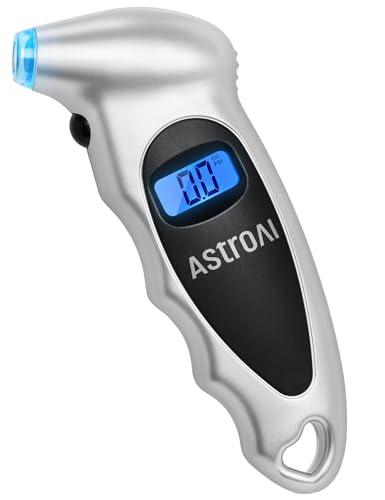
Accurate, Dependable Readings: Factory‑calibrated to ±1 PSI, so you can confidently match your vehicle’s recommended PSI (check the door jamb sticker). Ideal for monthly checks and road trips — consistent results every time, cold or warm.
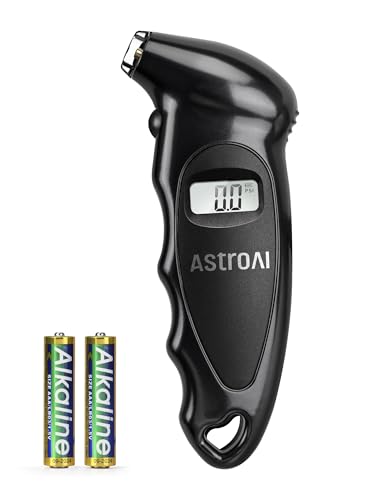
ULTIMATE PRECISION: Calibrated to ANSI B40.7 Grade 2A standards for ±0.5% accuracy. Features a 0-200 PSI range, perfect for cars, SUVs, trucks & motorcycles. (Presta adapter not included for some bikes)
Recommended Pressure Ranges by Vehicle Type
Light trucks typically require 35-50 PSI for Firestone Transforce AT tires depending on the exact size and application. Commercial vans operate optimally between 50-65 PSI to handle increased payload demands. Pickup trucks carrying standard loads perform best at 35-40 PSI for front tires and 35-45 PSI for rear tires.
Vehicle Type Pressure Guidelines:
| Vehicle Category | Front Pressure (PSI) | Rear Pressure (PSI) | Maximum Load |
|---|---|---|---|
| Light Pickup | 35-40 | 35-45 | Standard payload |
| Heavy Duty Truck | 50-65 | 50-80 | Maximum capacity |
| Commercial Van | 50-65 | 50-65 | Full cargo load |
| Work Truck | 45-55 | 50-70 | Variable loads |
Fleet operators adjust pressures based on daily load requirements to maximize tire performance. Emergency vehicles maintain higher pressures around 60-70 PSI to ensure stability during rapid acceleration and braking.
Load Index and Pressure Correlation
Load index ratings directly correlate with required tire pressure for Firestone Transforce AT models. Higher load indices demand increased pressure to maintain proper tire shape and contact patch distribution. Standard load ratings (SL) typically operate at lower pressures compared to extra load (XL) or light truck (LT) designations.
Load Index Pressure Requirements:
- Load Index 104-108: 35-45 PSI for standard applications
- Load Index 109-112: 50-60 PSI for moderate commercial use
- Load Index 113-116: 60-75 PSI for heavy commercial applications
- Load Index 117+: 75-80 PSI for maximum load capacity
Exceeding the rated load capacity reduces tire lifespan even with proper pressure maintenance. Underinflation by 10 PSI can decrease load carrying capacity by approximately 15-20%. Commercial applications require pressure monitoring systems to maintain consistency across multiple vehicles in fleet operations.
Optimal Tire Pressure for Different Driving Conditions

Firestone Transforce AT tires require exact pressure adjustments based on driving conditions to maximize performance and safety. We adjust tire pressure according to load requirements and terrain type rather than using a single universal setting.

Advanced TrueGauge Display: This durable air pump is equipped with AstroAI's upgraded sensor technology, capable of collecting pressure data at a frequency of 200 times per second. The valid data is higher than 80%, 60% higher than the market average. This accurate display ensures safer driving no matter where you roam.
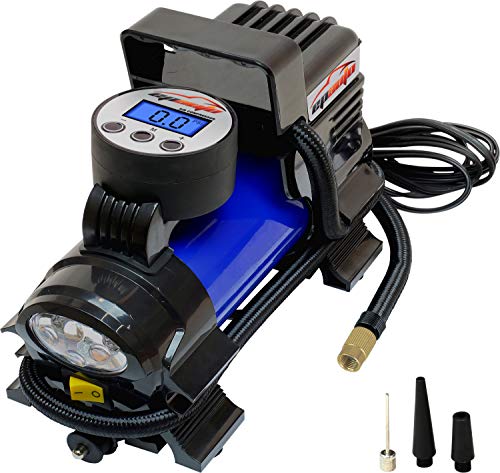
Convenience: Plug directly into Cigarette Lighter Socket of your Vehicle. 12VDC, 10 to 15 amps, 120 to 180W. Equipped with 12V-DC Cigarette Lighter Socket Plug, NOT 110V AC plug.

DIGITAL COMPRESSOR for OFFROAD VEHICLES - The new and improved version of the customer favorite 88P is designed for offroad enthusiasts. With the same 12V heavy-duty, gearless motor, the Every Vehicle Carry 88P now features a digital gauge and preset pressure with automatic shut-off feature for ultra-fast fill-ups.
Highway Driving Pressure Settings
Highway driving with normal loads requires tire pressure settings that match your vehicle manufacturer’s recommendations found on the door jamb placard. We follow the vehicle’s specified PSI rather than the tire’s maximum inflation capacity for optimal performance on paved roads. Regular maintenance checks become essential since tires lose 1-2 PSI per month under normal conditions.
Cold weather accelerates pressure loss beyond the standard monthly reduction rate. Safety and performance improve when we maintain pressure according to OEM specifications rather than inflating to maximum capacity. Firestone designs the Transforce AT series to deliver balanced handling and fuel efficiency at manufacturer-recommended pressures during highway travel.
Off-Road and Towing Pressure Adjustments
Off-road conditions benefit from slightly reduced tire pressure to increase the contact patch and improve traction on soft surfaces. We lower pressure only within limits specified by the vehicle manual or tire guide to avoid compromising tire integrity. Minimum safe pressure levels must never be exceeded regardless of terrain demands.
Towing and heavy load scenarios require increased tire pressure toward the tire’s maximum inflation capacity to support additional weight. The LT285/60R20 E/10PLY Transforce AT accommodates up to 80 PSI for maximum load capacity of 3,640 pounds. We reference the tire’s load index and vehicle placard to determine appropriate pressure increases for exact towing weights.
| Condition | Pressure Setting Guidance |
|---|---|
| Highway, Normal Load | Use OEM/vehicle placard recommendation |
| Off-Road | Slightly lower (if manual allows) |
| Towing/Heavy Load | Increase to support load, up to maximum |
Fleet operators adjust pressure based on daily load requirements rather than maintaining constant settings across all applications. Documentation verification through vehicle manuals or tire placards ensures precise pressure settings for each exact use case.
How to Check and Maintain Proper Tire Pressure
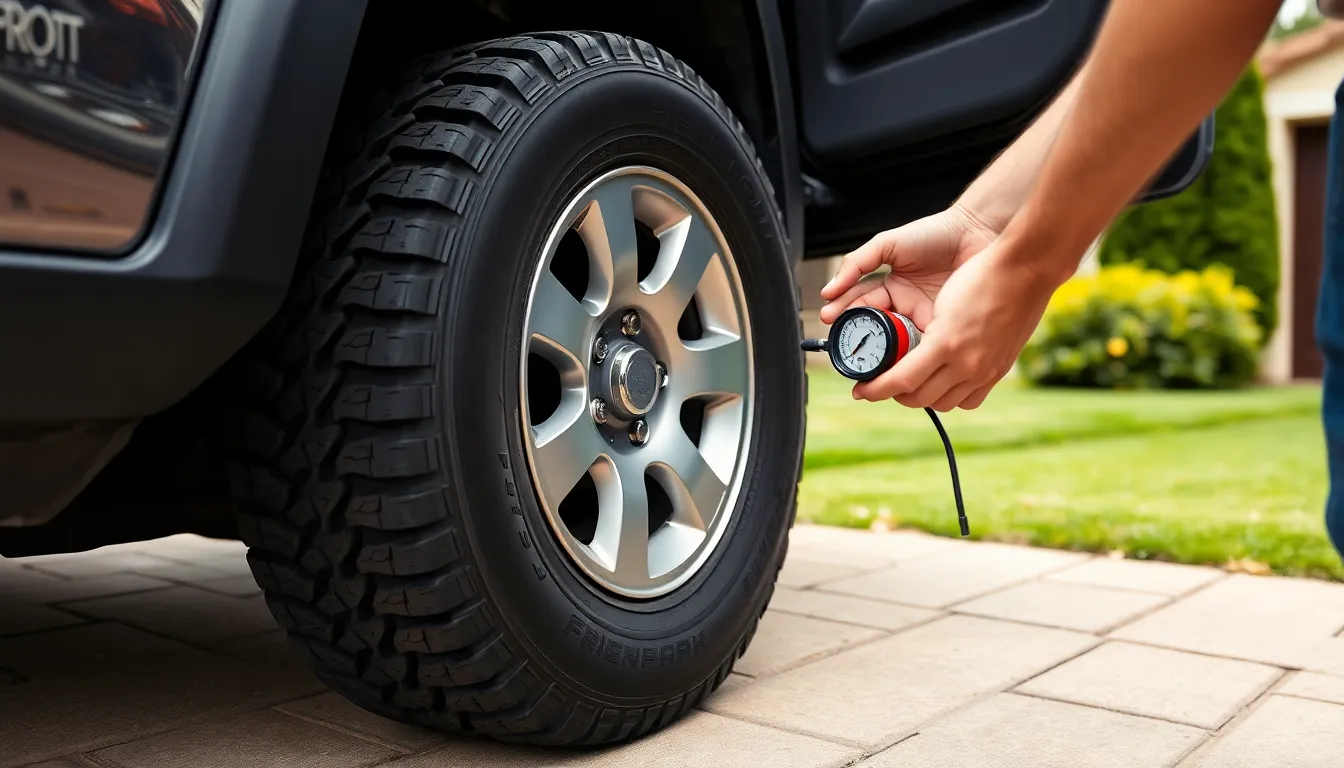
Checking tire pressure regularly ensures your Firestone Transforce AT tires maintain optimal performance and safety standards. We recommend monthly pressure checks and adjustments based on your exact vehicle requirements and load conditions.

[Accurate Real-time Monitoring & Multi-Alert System]: Tymate TM7 tpms sensor can be used to monitor your tires’ pressure and temperature data within robust accuracy of ±1.5 PSI or ±3°F (The units can be displayed as ℃ or ℉ & BAR or PSI). Designed with six distinct alarm modes: high/low pressure, fast leakage, high temperature, sensor low battery, and sensor signal lost. This system is a reliable tool for maintaining tire health, and it is especially beneficial for DIY enthusiasts and pre-owned vehicle markets, where constant vigilance on tire conditions is paramount for safety and vehicle longevity

Primary Purpose: These caps serve primarily to monitor the pressure levels of car tires, ensuring their proper functioning. By preventing tire wear and blowouts caused by low pressure, they help extend tire lifespan. Moreover, they keep you informed about tire pressure at all times.

[Real-Time Monitoring & Multi-Alert System for Enhanced Tire Safety]: The Tymate TM8 TPMS provides accurate real-time monitoring of tire pressure and temperature, with precision up to ±1.5 PSI or ±3°F. It allows users to choose between temperature units (℃ or ℉) and pressure units (BAR or PSI). Equipped with six distinct alarm modes—high/low pressure, rapid air loss, high temperature, low sensor battery, and lost sensor signal—this system ensures reliable tire health monitoring. Ideal for road trip enthusiasts and the pre-owned vehicle market, it offers peace of mind by maintaining constant awareness of tire conditions, helping to enhance safety and prolong vehicle lifespan
Tools and Equipment Needed
Tire pressure gauge serves as the primary tool for accurate measurements. Digital gauges provide precise readings within 0.5 PSI accuracy while pencil gauges offer reliable backup options for emergency situations.
Valve stem caps protect the valve mechanism from dirt and moisture contamination. Metal caps resist corrosion better than plastic alternatives and maintain proper sealing over extended periods.
Air compressor enables pressure adjustments when readings fall below recommended levels. Portable 12V compressors connect directly to vehicle power outlets and deliver consistent inflation rates between 15-35 CFM capacity.
Step-by-Step Pressure Monitoring Process
Check when cold by ensuring tires remain stationary for at least three hours before measurement. Driving generates heat that increases internal pressure by 2-4 PSI above cold readings.
Locate valve stem positioned on the wheel rim between tire sidewall and metal surface. Remove any debris around the valve area using a clean cloth before proceeding with measurements.
Remove cap by turning counterclockwise and placing it in a secure location to prevent loss. Inspect the valve core for damage or contamination that might affect pressure readings.
Attach gauge firmly onto the valve stem with a straight perpendicular motion. Initial air escape indicates proper connection while continuous hissing suggests misalignment requiring gauge repositioning.
Read pressure immediately after achieving proper gauge contact with the valve stem. Record measurements for comparison against manufacturer specifications found on the door jamb placard.
Compare with recommended pressure using your vehicle’s exact requirements rather than maximum tire capacity ratings. LT285/60R20 Transforce AT tires typically require 65 PSI door sticker inflation with 80 PSI maximum capacity depending on load conditions.
Inflate as needed using controlled air bursts to reach target pressure without exceeding recommended limits. Check pressure frequently during inflation to prevent over pressurization beyond safe operating parameters.
Impact of Incorrect Tire Pressure on Performance
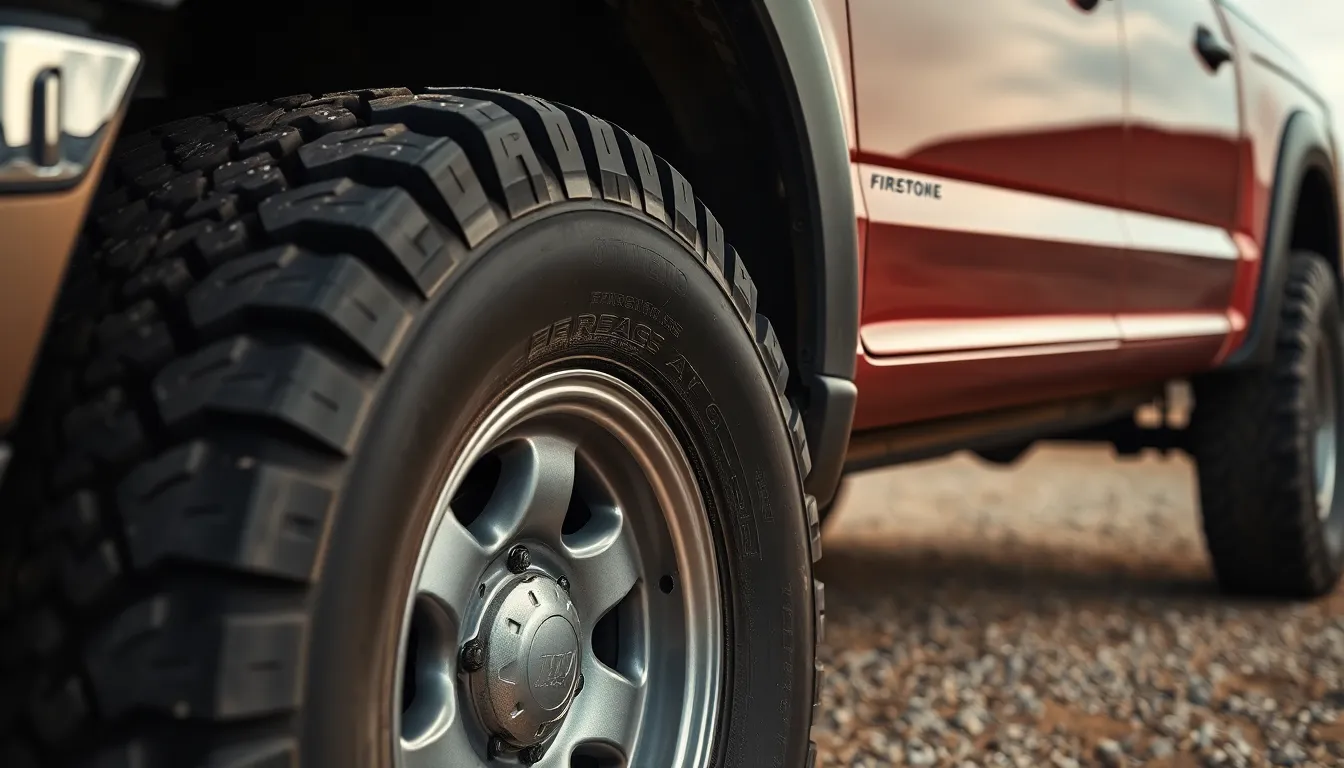
Maintaining incorrect tire pressure in Firestone Transforce AT tires creates important performance issues that affect vehicle safety and operational costs. We’ve observed these problems manifest differently depending on whether tires are underinflated or overinflated.

【360° ROTATING TIRE CHUCK】LUMITECO tire inflation hose with swivel tire chuck features more flexibility for a hassle-free inflation process, ensuring you can inflate with ease from any angle. No more struggling to position your portable air compressor, just adjust the air chuck and inflate.

➤【20 Inch Lengthened & Flexible】20'' extended tire inflator/pump hose adapter with high quality strengthen nylon-wrapped rubber hose, covers more distance and provides more flexible space for much easier access to the tires or connect to those space constrained valves.

【PACKAGE AND COMPONENTS】: Includes 2 brass air inflator adapters with black sealing caps and valve cores (Thread: 1/4" NPT Male). Compact 1.11" design for easy storage and vehicle emergency use
Effects of Underinflation
Underinflated Firestone Transforce AT tires reduce traction capabilities by creating excessive sidewall flexing that compromises the contact patch. This decreased traction affects handling precision and increases skidding risks during emergency maneuvers.
Uneven tire wear patterns develop when inflation pressure drops below recommended levels. The outer edges of the tire tread wear faster than the center portion, reducing overall tire lifespan and requiring premature replacement.
Rolling resistance increases substantially with underinflation, causing engines to work harder and consume more fuel. We see fuel efficiency decrease by up to 3% for every 10 PSI below the recommended pressure.
Heat buildup accelerates in underinflated tires due to excessive sidewall movement during rotation. This increased temperature creates dangerous blowout conditions, particularly during extended highway driving or heavy load operations.
Load carrying capacity diminishes significantly when Firestone Transforce AT tires operate below proper pressure levels. The tire’s ability to support maximum rated loads becomes compromised, potentially causing structural damage.
Consequences of Overinflation
Overinflated Firestone Transforce AT tires create reduced road contact by causing the center tread to bear most of the vehicle’s weight. This decreased contact patch results in compromised handling and longer braking distances.
Center tread wear accelerates when tire pressure exceeds manufacturer specifications. The middle portion of the tire experiences excessive wear while the outer edges remain relatively unused, creating an uneven wear pattern.
Ride quality deteriorates with overinflation as the tire becomes less capable of absorbing road irregularities. We notice increased vibration transmission to the vehicle cabin and harsher impacts over bumps.
Puncture susceptibility increases when Firestone Transforce AT tires operate above recommended pressure levels. The reduced flexibility makes the tire more vulnerable to sharp objects and road debris that could cause sudden deflation.
Sidewall stress concentrates at higher pressure levels, potentially causing premature sidewall cracking or separation. These structural weaknesses can lead to catastrophic tire failure during operation.
Seasonal Tire Pressure Considerations
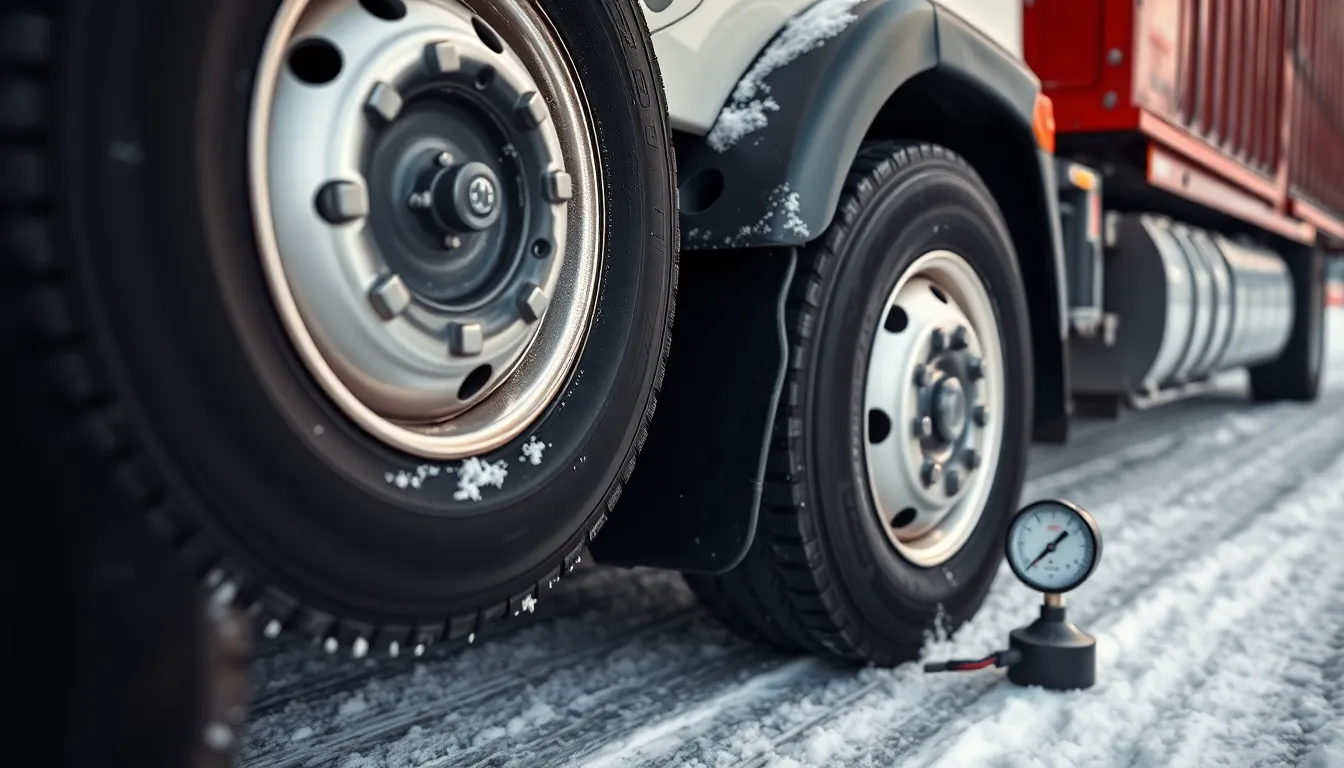
Temperature changes significantly affect Firestone Transforce AT tire pressure throughout the year. We must adjust our monitoring and maintenance practices to account for seasonal variations that can impact tire performance and safety.

1. LONG ZINC ALLOY DUAL HEAD DESIGN : Straight foot air chuck are deisghed for inner wheels or difficult reached valve as well as the 30°reverse chuck are for outer wheels.A good choice for testing your tire pressure also a great father's day gift

WHY TO BUY: A resonable inflated tire can save fuel, increase the tire's lifespan, improve the driving experience, and insure the driving safely. So it's important to test the tire pressure regularly, especially before long distance travel

Easy to read. Two calibration meters(inch and millimeter) in order to make people read more easily and suitable for the wider population. Color coded tire tread depth gauge clearly indicates the tire different phase by colors.
Cold Weather Adjustments
Cold temperatures cause air inside tires to contract, reducing pressure levels below optimal specifications. Firestone Transforce AT tires lose approximately 1 PSI for every 10-degree temperature drop, requiring more frequent pressure checks during winter months.
We recommend checking tire pressure when tires are cold after the vehicle has been parked for several hours. Cold weather conditions accelerate the natural deflation process beyond the typical 1 PSI monthly loss, making weekly inspections essential during freezing temperatures.
Maintaining proper inflation becomes critical as underinflated tires generate excessive heat buildup even in cold conditions. The reduced air volume compromises the tire’s ability to support heavy loads that Transforce AT tires are designed to handle in commercial applications.
Fleet operators commonly increase tire pressure by 2-3 PSI above standard recommendations during winter months to compensate for temperature-related pressure drops. This proactive approach prevents the tire from falling below minimum safe operating pressure during extreme cold snaps.
Hot Weather Monitoring
High temperatures cause air expansion inside Firestone Transforce AT tires, potentially increasing pressure beyond safe operating limits. We monitor tire pressure more frequently during summer months to prevent overinflation that can reduce traction and increase tire failure risk.
Heat generated from highway driving compounds the effects of ambient temperature, creating additional pressure increases of 4-6 PSI above cold inflation levels. Commercial vehicles operating in hot climates require pressure adjustments to account for this thermal expansion while maintaining load carrying capacity.
Overinflated tires in hot weather reduce the contact patch with the road surface, compromising grip and increasing center tread wear patterns. We adjust our target pressure settings to accommodate expected temperature increases while staying within the tire’s maximum inflation limits.
Morning pressure checks provide the most accurate readings before heat buildup occurs from driving or direct sunlight exposure. Summer operating conditions may require reducing cold inflation pressure by 2-4 PSI to prevent overinflation during peak operating temperatures.
Heat monitoring becomes especially important for vehicles carrying maximum loads, as the combination of weight stress and temperature can push tire pressure beyond safe operating parameters for Transforce AT applications.
Tire Pressure Monitoring System (TPMS) Integration
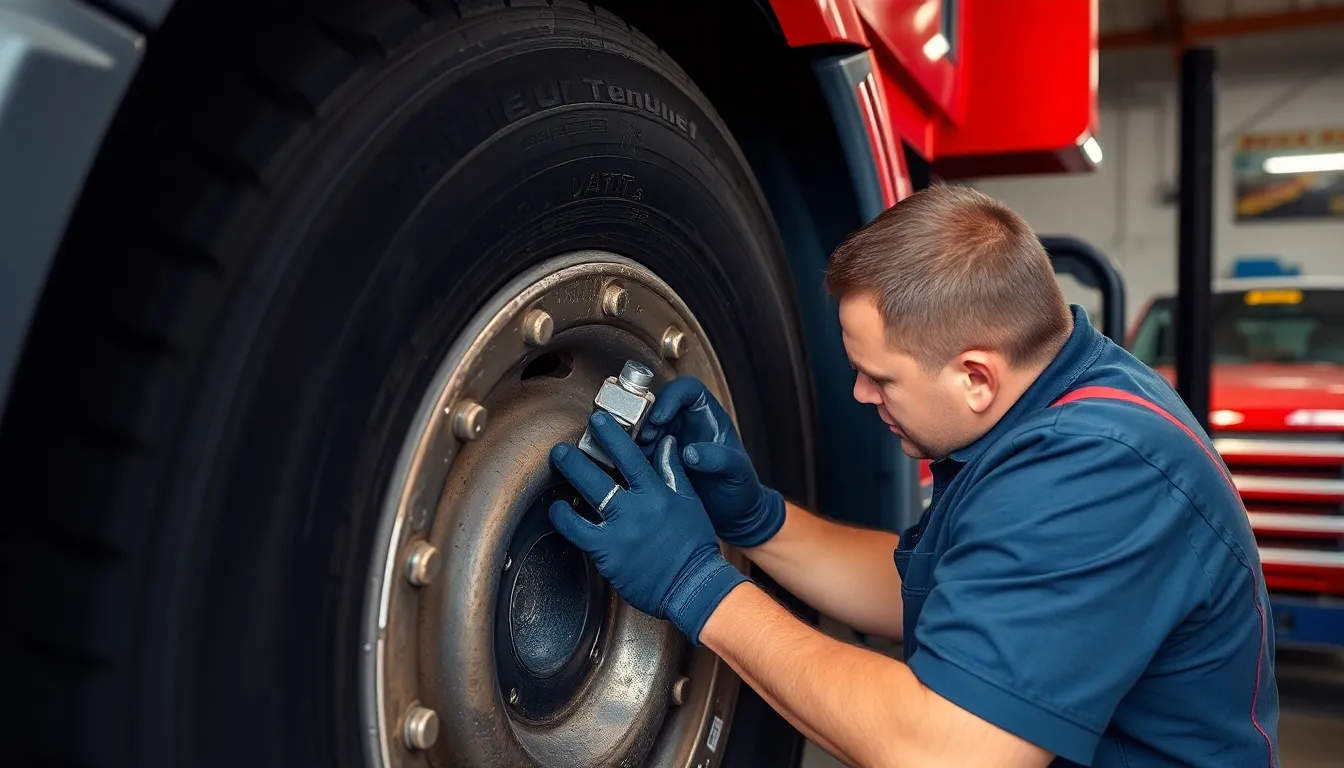
TPMS integration provides automatic monitoring capabilities for Firestone Transforce AT tires. Modern vehicles equipped with these systems alert drivers when tire pressure falls below predetermined thresholds. Commercial fleet operators benefit from advanced TPMS technology that tracks individual tire performance across multiple vehicles.
Electronic sensors monitor tire pressure continuously and transmit data to the vehicle’s computer system. Direct TPMS sensors mount inside the tire and provide real-time pressure readings with accuracy within 1-2 PSI. Indirect systems use wheel speed sensors to detect pressure changes through variations in tire rotation speed.
Warning lights activate when tire pressure drops below the manufacturer’s specified minimum threshold. Most TPMS units trigger alerts at approximately 25% below the recommended pressure level. Fleet vehicles often feature enhanced TPMS displays that show individual tire pressures for each position.
Regular TPMS calibration ensures accurate readings across all tire positions. Sensors require recalibration after tire rotation or replacement procedures. Temperature compensation features adjust readings automatically to account for seasonal pressure variations that affect Firestone Transforce AT tires.
| TPMS Feature | Standard Vehicles | Commercial Fleet |
|---|---|---|
| Alert Threshold | 25% below recommended | 15% below recommended |
| Accuracy Range | ±3 PSI | ±1 PSI |
| Battery Life | 5-7 years | 3-5 years |
| Display Type | Warning light | Individual tire readings |
Manual pressure checks remain essential even though TPMS integration. Electronic systems may experience sensor failures or battery depletion that compromises monitoring accuracy. Monthly visual inspections complement TPMS alerts to identify gradual pressure loss or system malfunctions.
Replacement sensors match original equipment specifications for optimal performance. Aftermarket TPMS units must be compatible with the vehicle’s existing system architecture. Professional installation ensures proper sensor programming and system integration with Firestone Transforce AT tire specifications.

Enhanced Visibility in Low Light: Features a green backlit LCD screen and integrated flashlight, allowing for clear reading of tire pressure even in dark or dimly light conditions.

Blue Backlit LCD display and flashlight for visibility in dimly light areas, easy-to-read digits help you easily measure your vehicle's tire pressure

Enhanced Visibility in Low Light: Features a green backlit LCD screen and integrated flashlight, allowing for clear reading of tire pressure even in dark or dimly light conditions.
Conclusion
We’ve covered the essential aspects of maintaining proper tire pressure for your Firestone Transforce AT tires. From understanding exact PSI requirements to implementing seasonal adjustments and utilizing TPMS technology these practices ensure optimal performance and safety.
Remember that consistent monitoring and maintenance aren’t just recommendations—they’re necessities for maximizing tire life and vehicle efficiency. Whether you’re managing a single truck or an entire fleet proper tire pressure management directly impacts your bottom line through improved fuel economy and extended tire longevity.
Take action today by establishing a regular pressure monitoring routine. Your Firestone Transforce AT tires are engineered for demanding conditions but they’ll only deliver their full potential when maintained at the correct pressure specifications we’ve outlined.

All-in-One Compact Design: This portable tire inflator integrates the air hose, DC cable, and 4 multi-use nozzles directly into its back. Everything stays organized and tangle-free, making it ultra-compact and easy to carry for on-the-go use

12 V DC/120 V AC Dual Power: The AstroAI Tire Inflator features dual power supplies, compatible with 12 V car cigarette lighters and 120 V household outlets, convenient for both home and travel use. The AstroAI Tire Inflator can easily switch between high-pressure and high-current inflation modes. High-pressure mode inflates car, bicycle and motorcycle tires along with sports equipment and other small inflatables. Large-volume mode inflates bigger low-pressure objects like air mattresses

DUAL CYLINDER POWER: Features 12 volt air compressor heavy duty dual cylinder motor design that delivers superior inflation performance up to 75L/min, making it easy to inflate SUV and pickup truck tires quickly and efficiently
Frequently Asked Questions

[Discover Five Alarm Modes and Simple Setup for Alarm Thresholds]: With the Tymate Tire Pressure Monitoring System TM2, you'll access six distinct alarm modes, covering fast leak detection, high/low-pressure alerts, high-temperature warnings, and sensor low voltage/signal loss notifications. Upon pairing, the system seamlessly configures the current pressure as the reference point, allowing for easy setup of alarm thresholds (with an Alarming Range from +25% PSI to -15% PSI of Reference Pressure)

【6 Types Alarm Modes and Simple Setup】This TPMS provides 6 alarm modes, including Fast/slow leak detection, low pressure alarm, high pressure alarm, high-temperature warnings, sensor battery low power alerts.No programming is required. After the sensor is installed, the system automatically sets the current tire pressure to the reference pressure(with an Alarming Range from +25% Psi to -15% Psi of Reference Pressure)

【FITMENT】The CARORAV tire pressure sensor fit for most GM vehicles. For Buick Allure Enclave Encore Envision Lucerne Regal, Cadillac ATS CTS XTS, Chevy Colorado Silverado Impala Malibu, GMC Yukon Sierra ect. Please refer to Product Description for specific application of model and year
What is the recommended tire pressure for Firestone Transforce AT tires?
The recommended pressure varies by vehicle type and load conditions. Light trucks typically require 35-50 PSI, commercial vans operate best at 50-65 PSI, and pickup trucks should maintain 35-40 PSI for front tires and 35-45 PSI for rear tires. Always check your vehicle’s door jamb placard for manufacturer-specific recommendations and adjust based on your load requirements.
How often should I check my Firestone Transforce AT tire pressure?
Check your tire pressure monthly, as tires naturally lose 1-2 PSI per month. Cold weather accelerates pressure loss, so increase checking frequency during winter months. Always measure pressure when tires are cold (before driving) for the most accurate readings. Fleet operators should implement more frequent monitoring schedules based on usage patterns.
What happens if I drive with incorrect tire pressure?
Underinflated tires cause reduced traction, uneven wear, increased rolling resistance, heat buildup, and diminished load capacity. Overinflated tires result in reduced road contact, accelerated center tread wear, poor ride quality, increased puncture risk, and sidewall stress. Both conditions compromise safety, fuel economy, and tire lifespan significantly.
How does temperature affect Firestone Transforce AT tire pressure?
Tire pressure drops approximately 1 PSI for every 10-degree temperature decrease. In winter, consider increasing pressure by 2-3 PSI to prevent underinflation. Hot weather causes air expansion, potentially leading to overinflation. Adjust cold inflation pressure by 2-4 PSI in summer to maintain safe operating limits, especially for maximum load conditions.
Should I adjust tire pressure for different driving conditions?
Yes, adjust pressure based on driving conditions. For highway driving with normal loads, follow manufacturer recommendations. For off-road conditions, slightly reduce pressure within manual limits to enhance traction. When towing or carrying heavy loads, increase pressure toward maximum inflation capacity to support additional weight safely.
Do I need TPMS for Firestone Transforce AT tires?
While not mandatory, TPMS provides valuable automatic monitoring for tire pressure. Modern systems alert drivers when pressure falls below thresholds and offer real-time readings. Commercial fleets benefit from advanced TPMS tracking across multiple vehicles. However, manual pressure checks remain essential as electronic systems can fail or lose accuracy over time.
What tools do I need to check tire pressure properly?
You need a reliable tire pressure gauge, valve stem caps, and access to an air compressor. Digital gauges typically provide more accurate readings than analog versions. Ensure your gauge is calibrated and check pressure when tires are cold. Keep valve stem caps clean and properly seated to prevent air leaks.
How does load capacity relate to tire pressure requirements?
Higher load index ratings require increased tire pressure to maintain proper tire shape and performance. Exceeding rated load capacity reduces tire lifespan, while underinflation significantly decreases load carrying capacity. Fleet operators should adjust pressure based on daily load requirements rather than maintaining constant settings across all applications for optimal performance.