
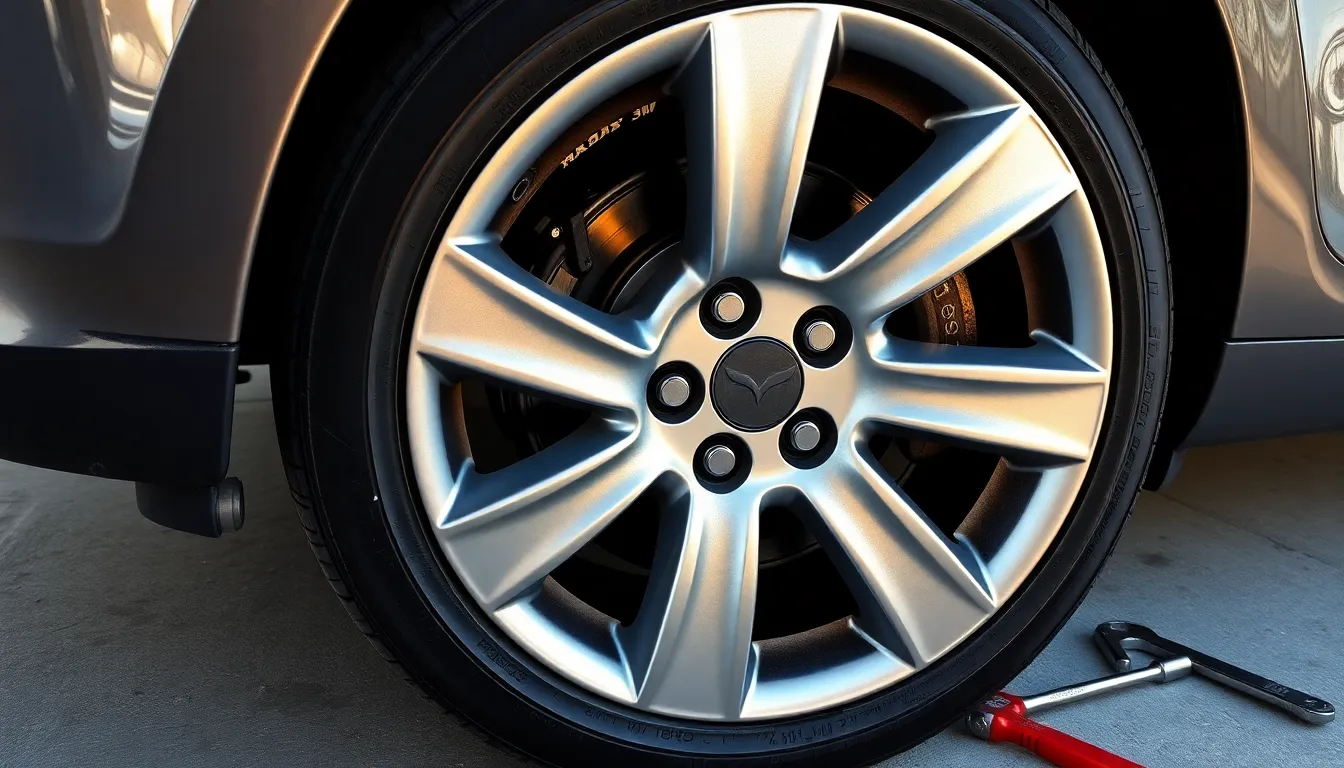
When we’re shopping for new wheels or planning a tire upgrade for our Mazda 3, understanding the bolt pattern becomes crucial. This seemingly technical specification determines which wheels will actually fit our vehicle and which ones we’ll need to pass by.
The bolt pattern, also known as the lug pattern or pitch circle diameter (PCD), refers to the exact arrangement of bolts that secure our wheels to the hub. Getting this measurement wrong means we’ll end up with wheels that simply won’t mount properly – no matter how great they look or how much we’ve spent on them.
We’ve all been there: falling in love with a set of wheels only to discover they won’t fit our ride. That’s why we’re breaking down everything you need to know about the Mazda 3’s bolt pattern, including variations across different model years and what your options are when it comes to wheel selection and modifications.
Understanding Bolt Patterns and Their Importance
Bolt patterns represent the precise arrangement of lug bolts or studs that secure wheels to vehicle hubs. The measurement consists of two critical components: the number of bolt holes and the diameter of the circle formed by their centers.
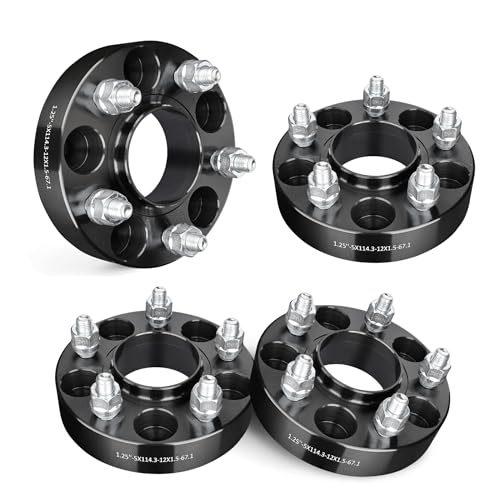
Compatibility: Compatible with Chrysler, Dodge, Eagle, Ford, Genesis, Hyundai, Jeep, Kia, Lincoln, Mazda, Mercury, Mitsubishi, Toyota. For more models, please check the product picture

【SPECIFICATION:】Wheel Adapters & Spacers Thickness:25mm,| Bolt Pattern:5x4.5,| Hub Bore:82.5mm,| Thread Pitch:M12x1.5,| Set of 4PC,Please use a professional tool (micrometer) to measure your car

StanceMagic Flat Hubcentric Wheel Spacers for vehicles with 5/114.3 (5/4.5") Bolt Pattern and 67.1mm Centerbore. Compatible with Mazda 3, 5, 6, CX-3, CX-5, MX-5 Miata, RX-8. Compatible with Hyundai Genesis, Tiburon, Veloster. Compatible with Genesis G70, G80, G90, GV70, GV80. Compatible with Mitsubishi. Compatible with Kia Optima, Stinger. Also compatible with Jeep Compass, Patriot. Check Year/Make/Model in Description. May fit others, verify using spacer specs.
What Bolt Patterns Actually Measure
The bolt pattern measurement system uses a standardized format expressed as the number of bolts followed by the pitch circle diameter. Common examples include 5×114.3mm or 4x100mm configurations found across various vehicle manufacturers.
| Component | Description | Mazda 3 Standard |
|---|---|---|
| Bolt count | Number of lug holes | 5 |
| PCD | Pitch circle diameter | 114.3mm |
| Thread pitch | Bolt thread specification | M12 x 1.5 |
| Center bore | Hub opening diameter | 67.1mm |
Why Proper Bolt Pattern Matching Matters
Incorrect bolt pattern selection creates serious safety risks including wheel detachment during operation. The precise alignment ensures optimal load distribution across all mounting points and maintains structural integrity under driving forces.
Mounting wheels with incompatible bolt patterns leads to:
- Uneven stress concentration on individual bolts
- Premature wheel bearing failure
- Potential wheel separation incidents
- Voided vehicle warranties and insurance coverage
Impact on Wheel Selection Options
Understanding your Mazda 3’s bolt pattern expands aftermarket wheel compatibility significantly. The 5×114.3mm specification opens access to wheels from manufacturers like Honda, Nissan, Infiniti, and Acura that share identical mounting dimensions.
Cross-brand compatibility multiplies available wheel styles from hundreds to thousands of options. This knowledge prevents costly purchasing mistakes and enables well-informed choice making when upgrading your vehicle’s appearance or performance characteristics.
Mazda 3 Bolt Pattern Specifications by Generation
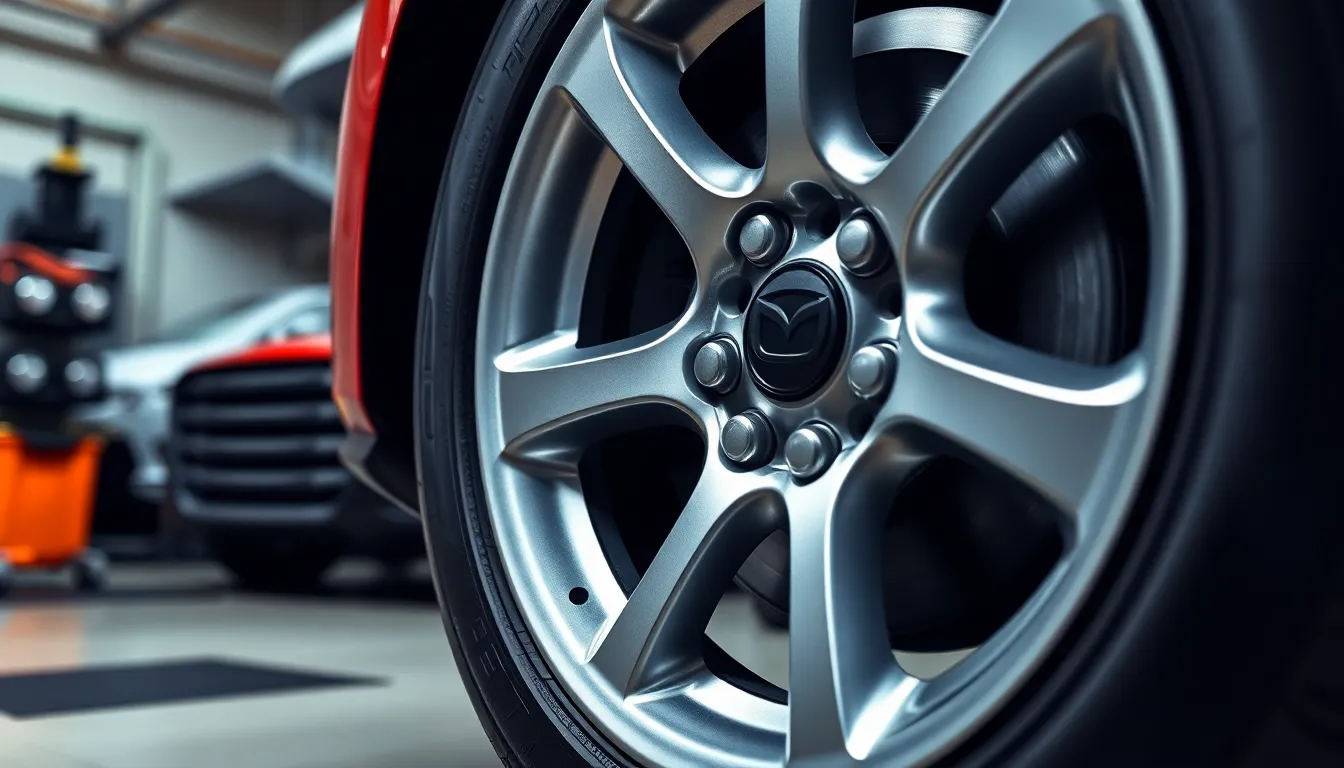
All Mazda 3 generations maintain the same 5×114.3mm bolt pattern even though spanning nearly two decades of production. This consistency provides excellent continuity for wheel selection across different model years.
StanceMagic Flat Hubcentric Wheel Spacers for vehicles with 5/114.3 (5/4.5") Bolt Pattern and 67.1mm Centerbore. Compatible with Mazda 3, 5, 6, CX-3, CX-5, MX-5 Miata, RX-8. Compatible with Hyundai Genesis, Tiburon, Veloster. Compatible with Genesis G70, G80, G90, GV70, GV80. Compatible with Mitsubishi. Compatible with Kia Optima, Stinger. Also compatible with Jeep Compass, Patriot. Check Year/Make/Model in Description. May fit others, verify using spacer specs.
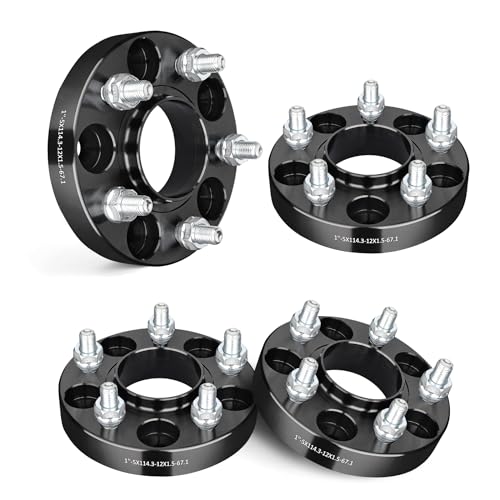
Compatibility: Compatible with Chrysler, Dodge, Eagle, Ford, Genesis, Hyundai, Jeep, Kia, Lincoln, Mazda, Mercury, Mitsubishi, Toyota. For more models, please check the product picture
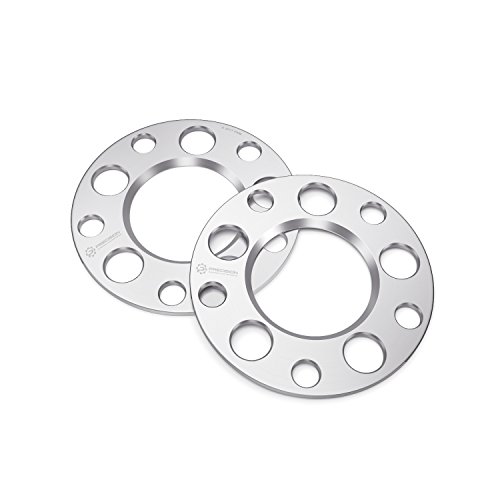
StanceMagic Flat Hubcentric Wheel Spacers for vehicles with 5/114.3 (5/4.5") Bolt Pattern and 67.1mm Centerbore. Compatible with Mazda 3, 5, 6, CX-3, CX-5, MX-5 Miata, RX-8. Compatible with Hyundai Genesis, Tiburon, Veloster. Compatible with Genesis G70, G80, G90, GV70, GV80. Compatible with Mitsubishi. Compatible with Kia Optima, Stinger. Also compatible with Jeep Compass, Patriot. Check Year/Make/Model in Description. May fit others, verify using spacer specs.
First Generation (2004-2009)
5×114.3mm bolt pattern defines the wheel mounting specifications for every first generation Mazda 3 model. Center bore measures 67.1mm across all trim levels including Base Sport and Grand Touring variants. Every model year from 2004 through 2009 uses identical bolt specifications regardless of engine size or transmission type.
| Specification | Measurement |
|---|---|
| Bolt Pattern | 5×114.3mm |
| Center Bore | 67.1mm |
| Thread Pitch | M12 x 1.5 |
| Compatible Years | 2004-2009 |
Second Generation (2010-2013)
Second generation models continue using the 5×114.3mm bolt pattern established in the previous generation. Most aftermarket wheels designed for the Mazda 3 platform fit these model years without modification. Touring and Sport trim levels share identical mounting specifications during this production period.
Third Generation (2014-2018)
5×114.3mm bolt pattern remains standard across the third generation Mazda 3 lineup. Sport and Touring models feature identical bolt specifications for simplified wheel selection. Recommended aftermarket wheel diameters range from 18 to 20 inches for optimal performance and appearance enhancement.
| Trim Level | Bolt Pattern | Recommended Wheel Size |
|---|---|---|
| Sport | 5×114.3mm | 18-20 inches |
| Touring | 5×114.3mm | 18-20 inches |
| Grand Touring | 5×114.3mm | 18-20 inches |
Fourth Generation (2019-Present)
Current generation Mazda 3 models maintain the 5×114.3mm bolt pattern across all trim configurations. Base Select Sport Preferred and Premium trim levels use identical mounting specifications. Common aftermarket wheel sizes include 17 to 19 inches in diameter for balanced performance and comfort characteristics.
How to Measure Your Mazda 3’s Bolt Pattern
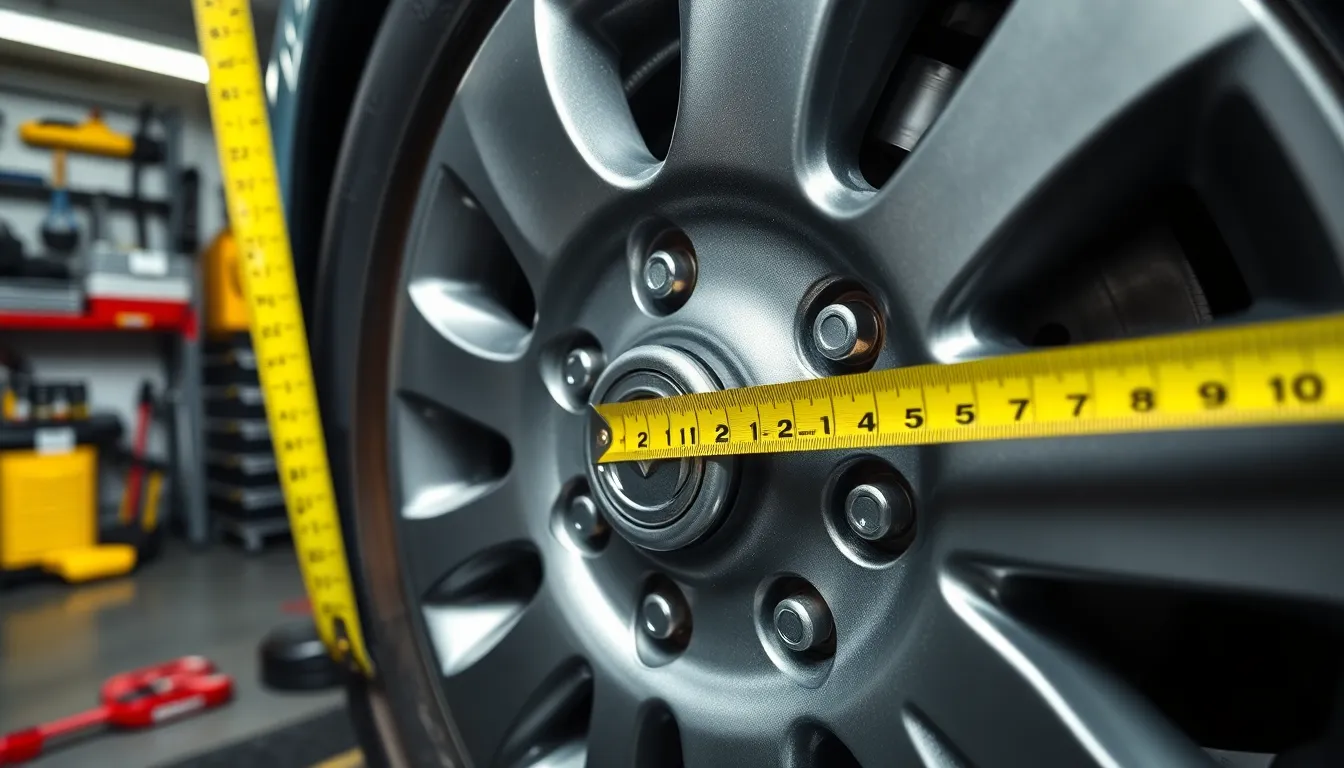
Measuring your Mazda 3’s bolt pattern accurately ensures compatibility when selecting aftermarket wheels. Three reliable methods provide precise measurements for the 5×114.3mm specification.

Compatible with multiple Jaguar vehicles including S-Type F-Type XE XF XJ XJ6 XJ8 XJR XK XKR X350 X358 and more, pls see below for all fitments information

OEM Part Numbers: 610-266, 610-266.1, 610-266.40, 98485.1, 9094202049, 90942-02049, 90942-02017, 90942-02037, 90942-02049, 90942-020 17, 90942-02037, 90942067, 90942-02070, 90942-02082, 94851865. Manufactured strictly to OEM specifications, ensuring perfect size, appearance, and function as a reliable vehicle replacement. Always verify the OEM number before purchase for proper fit.

FITMENTS: Compatible with Subaru Nissan INFINITI vehicles including Forester Crosstrek Outback WRX Legacy Impreza BRZ Tribeca Armada Frontier Pathfinder Quest Titan QX56, etc. please see below for all fitments exact information
Check the Manual or Door Sticker
Locating your vehicle’s wheel specifications starts with examining the driver’s doorframe sticker or owner’s manual. Look for sections labeled “Wheel Information” or “Tire Data” where manufacturers typically display bolt pattern details. The sticker displays the bolt pattern as 5×114.3mm alongside other wheel specifications like load ratings and recommended tire sizes.
Manual Measurement Method
Park your vehicle on level ground and remove one wheel for clear access to the hub assembly. Clean debris from around the lug holes to ensure accurate measurements. Select any lug hole as your starting reference point using a metric measuring tape.
Measure from the center of your chosen hole to the center of the lug hole positioned directly across from it. Skip one hole between your starting point and endpoint since the Mazda 3 uses a 5-lug configuration. The measurement shows approximately 114.3mm when performed correctly on genuine Mazda wheels.
Bolt Pattern Gauge Method
Using a bolt pattern gauge delivers the most accurate measurements for wheel fitment verification. Place the gauge against the wheel hub and align the measuring points with each lug hole center. Professional shops and tire retailers commonly use these specialized tools for precise bolt pattern identification.
Alternatively, lay a sheet of paper flat against the wheel hub and mark the centers of two diagonal lug holes with a pencil. Remove the paper and measure the distance between your marks using a ruler for estimation purposes. This method provides approximate measurements when professional tools aren’t available.
Always verify measurements before purchasing new wheels to avoid costly compatibility issues. Consult your Mazda dealership using your vehicle identification number (VIN) if measurement results seem inconsistent or unclear.
Compatible Wheel Options for Mazda 3
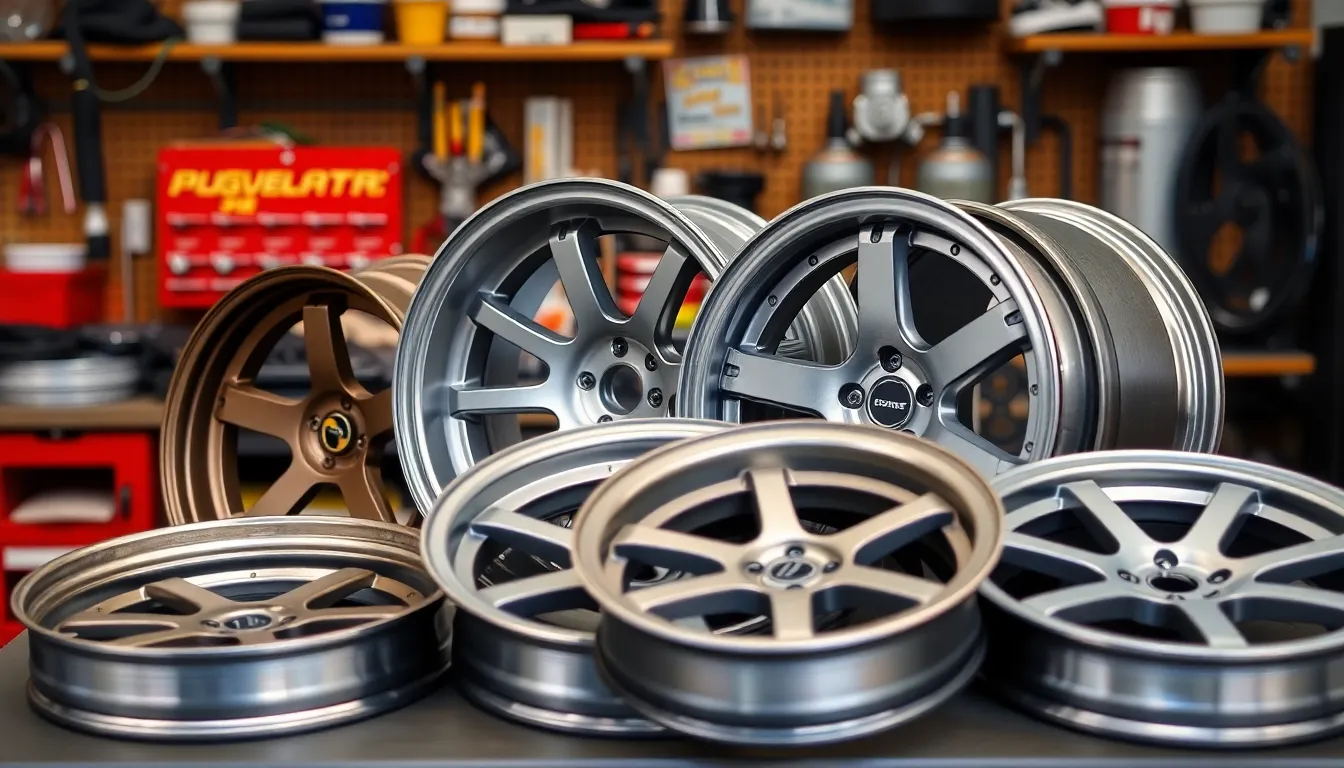
Understanding the 5×114.3 mm bolt pattern opens up many wheel possibilities for Mazda 3 owners. The consistent specifications across all generations make wheel selection straightforward once you know the proper measurements.

Parameter: Wheel Bolt Pattern = 5x114.3mm (5x4.5"), Hub Bore: 67.1mm, Thickness: 1"(25.4mm), Thread Pitch: M12x1.5, Set of 4 Piece Wheel Spacers
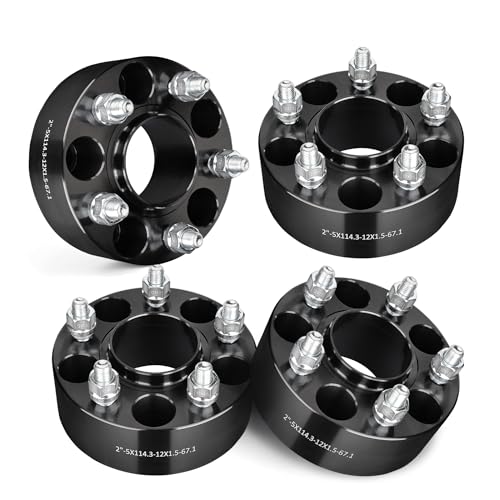
Compatibility: Compatible with Chrysler, Dodge, Eagle, Ford, Genesis, Hyundai, Jeep, Kia, Lincoln, Mazda, Mercury, Mitsubishi, Toyota. For more models, please check the product picture

【WHEEL SPACER PARAMETER】Wheel bolt pattern: 5x114.3mm(5x4.5"); veihicle bolt pattern: 5x114.3mm(5x4.5"); Wheel Spacer Thickness: 1 inch or 25mm; Stud Thread Pitch: M12x1.5; Hub Bore Size: 67.1mm; Quantity: 4 PCS. DO NOT USE AN IMPACT. USE A TORQUE WRENCH.
OEM Wheel Compatibility
Original Equipment Manufacturer wheels for the Mazda 3 maintain the 5×114.3 mm bolt pattern across all model years from 2003 through current 2024 models. The center bore diameter remains consistently at 67.1 mm for proper hub alignment and load distribution.
OEM wheels guarantee perfect fitment since manufacturers design them specifically for each Mazda 3 generation. Wheel offset varies by model year but stays within manufacturer specifications to maintain optimal handling characteristics and suspension geometry.
Replacement OEM wheels eliminate guesswork about compatibility since they match factory dimensions exactly. Mazda dealerships stock genuine wheels that meet all safety standards and performance requirements for your exact model year.
Aftermarket Wheel Selection
Aftermarket manufacturers produce many wheel options compatible with the Mazda 3’s 5×114.3 mm bolt pattern. Popular brands like Enkei, BBS, and Work Wheels offer designs specifically engineered for this bolt configuration.
The 5×114.3 mm pattern appears on vehicles from Honda, Nissan, and select Ford models, expanding your wheel selection options significantly. Cross-brand compatibility means wheels from an Acura TLX or Honda Accord may physically fit your Mazda 3.
| Critical Specifications | Mazda 3 Requirements |
|---|---|
| Bolt Pattern | 5×114.3 mm |
| Center Bore | 67.1 mm |
| Thread Size | M12 x 1.5 |
| Recommended Diameter | 16-20 inches |
Verifying center bore dimensions prevents vibration issues and ensures proper weight distribution. Wheels with larger center bores require hub-centric rings to achieve the precise 67.1 mm fit.
Offset considerations affect wheel positioning within the wheel well and impact suspension geometry. Aftermarket wheels typically range from +35mm to +55mm offset for optimal clearance and performance on the Mazda 3.
Consulting wheel specialists helps identify compatible options that meet both aesthetic preferences and performance requirements. Professional installation ensures proper torque specifications and safety standards compliance for your new wheel setup.
Common Issues with Incorrect Bolt Patterns

Incorrect bolt patterns create important safety hazards that every Mazda 3 owner must understand. Wheels that don’t match the 5×114.3 mm specification won’t fit correctly on the hub, resulting in dangerous wobbling or vibration while driving.
Lug nuts fail to secure properly when bolt patterns are mismatched. This improper mounting creates a serious risk of loosening or complete wheel detachment during operation. The consequence of such failure extends beyond inconvenience to potential accidents and severe damage.
Forcing incompatible wheels onto your Mazda 3 damages wheel studs and hubs permanently. These components aren’t designed to accommodate incorrect bolt patterns, and the stress from improper fitting causes costly structural damage that requires professional repair.
Poor alignment develops when wheels mount incorrectly due to bolt pattern mismatch. Vehicle handling becomes unpredictable and unsafe, affecting steering response and overall driving performance. The misalignment also accelerates tire wear and places additional stress on suspension components.
Hub bore compatibility requires equal attention alongside bolt pattern verification. Even wheels with the correct 5×114.3 mm pattern may not fit properly if the center bore doesn’t match the Mazda 3’s 67.1 mm specification. This mismatch prevents wheels from centering correctly on the hub.
Digital calipers provide the most accurate measurements when verifying bolt patterns before purchase. Bolt pattern gauges offer professional-grade precision for confirming the 114.3 mm distance between opposite lug holes. These tools prevent the costly mistake of purchasing incompatible wheels.
Offset specifications also affect wheel compatibility beyond just bolt pattern matching. Wheels with incorrect offset alter the vehicle’s track width and can cause clearance issues with fenders, suspension components, or brake calipers. Always verify both bolt pattern and offset specifications together.
Professional consultation prevents these compatibility issues entirely. Mazda dealerships can provide exact wheel specifications using your vehicle’s VIN number, ensuring complete compatibility with your exact model year and trim level.

Custom Fit 5 Lug Wheel Spacers: The spacers for car---Compatible with Acura, Chrysler, Dodge, Ford, Toyota, Honda, Hyundai, Jeep, Kia, Mazda, Mitsubishi, Scion and Eagle Models: 2007-2012 Caliber| 2006-2012 Fusion| 2001-2012 Escape| 1998-2002 Accord(V6 Engine)| 2003-2019 Accord| and more; For full models refer to the amazon garage tool or our picture
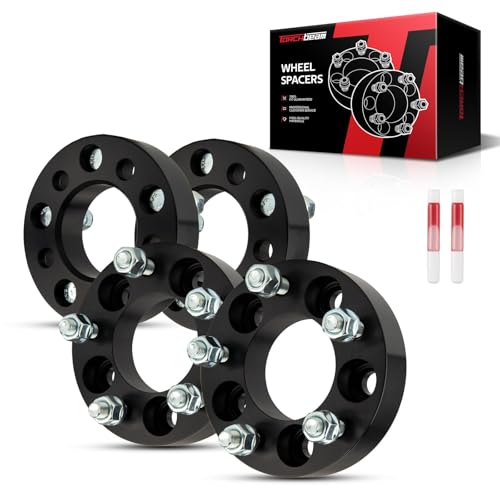
【Parameter】-- Changes Bolt Pattern || VEHICLE Bolt Pattern Must: 5x4.5"(5x114.3mm) || WHEEL Bolt Pattern Must: 5x100mm || Thickness: 1 inch(25mm) || Threaded Studs/Nuts: M12x1.5 || Center Bore: 73.1mm (without lip) || Recommended torque: 70-80 ft/lbs || Quantity: 4pcs. Please use a professional tool (micrometer) to measure your car

➤Universal Fitment: 5x4.5 wheel spacers compatible with ALL For: 2002-2024 Altima;2008-2024 Rogue;2013-2019 Sentra;2009-2018 Murano;2013-2020 Pathfinder;1989-2014 Maxima;2021-2024 Sentra;2017-2022 Rogue Sport, Q60;2014-2020 QX60;2014-2024 Q50;2008-2013 G37;2016-2019 Maxima;2011-2017 Juke, Quest;2003-2008 G35;2021-2022 Kicks;2003-2007 Murano;2011-2022 LEAF;2013-2021 NV200;2014-2015 Rogue Select, Q60;2003-2009 350Z;2003-2012 FX35;2022-2024 QX60, QX50;2022 Pathfinder;2009-2020 370Z;2004-2009 Quest
Installing New Wheels on Your Mazda 3

We’ve covered the bolt pattern specifications and compatibility options for your Mazda 3. Installing new wheels properly ensures both safety and optimal performance for your vehicle.

【FITMENTS INCLUDE】2 inch Wheel Spacers 5x4.5 to 5x4.5 Please verify the bolt count,bolt circle diameter,center bore,and bolt size match your vehicle before ordering.Enter your Year/Make/Model in system garage filter(AMAZON CONFIRMED FIT)to validate product fitment

【Basic Info:】Wheel Spacers Compatible with Chrysler 200 Sebring; Compatible with Dodge Avenger Caliber Stealth Stratus; Compatible with Ford Escape Fusion Probe; Compatible with Jeep Compass Patriot; Compatible with Mazda 3 5 6 CX-5 CX-7 CX-9; Compatible with Genesis G70 G80 G90; Compatible with Lincoln MKZ; Compatible with Hyundai Azera Equus; Compatible with Kia Amanti Cadenza Carnival EV6 Forte K5 K900; Compatible with Toyota Tacoma.

Note: Check for any damage or cracks in the brake discs and vehicle hub.
Required Tools and Equipment
Gathering the correct tools before starting prevents delays and ensures a professional installation. We recommend having a jack and jack stands or hydraulic lift for safe vehicle elevation. A lug wrench or impact wrench removes existing wheels efficiently while a torque wrench provides precise tightening specifications.
Your new wheels must feature the correct 5×114.3 bolt pattern and 67.1 mm center bore for proper fitment. Anti-seize lubricant helps prevent future corrosion on wheel studs. Wheel chocks placed behind the wheels remaining on the ground add crucial safety during the installation process.
Step-by-Step Installation Process
Start by parking on level ground and captivating the parking brake before placing wheel chocks. Raise the vehicle using your jack and secure it with jack stands for maximum safety. Remove the existing wheel by loosening lug nuts with your lug wrench or impact wrench.
Verify that your new wheel matches the 5×114.3 bolt pattern, 67.1 mm center bore, and appropriate offset specifications. Mount the new wheel and hand-tighten the lug nuts in a star pattern to ensure even alignment across all mounting points.
Lower the vehicle carefully off the jack stands once all wheels are mounted. Apply the manufacturer-specified torque using your torque wrench in the same star pattern to prevent warping. Drive a short distance and recheck the lug nut torque to maintain proper wheel security.
Following these steps ensures your Mazda 3’s new wheels install correctly and safely for years of reliable performance.
Performance Impact of Different Wheel Sizes
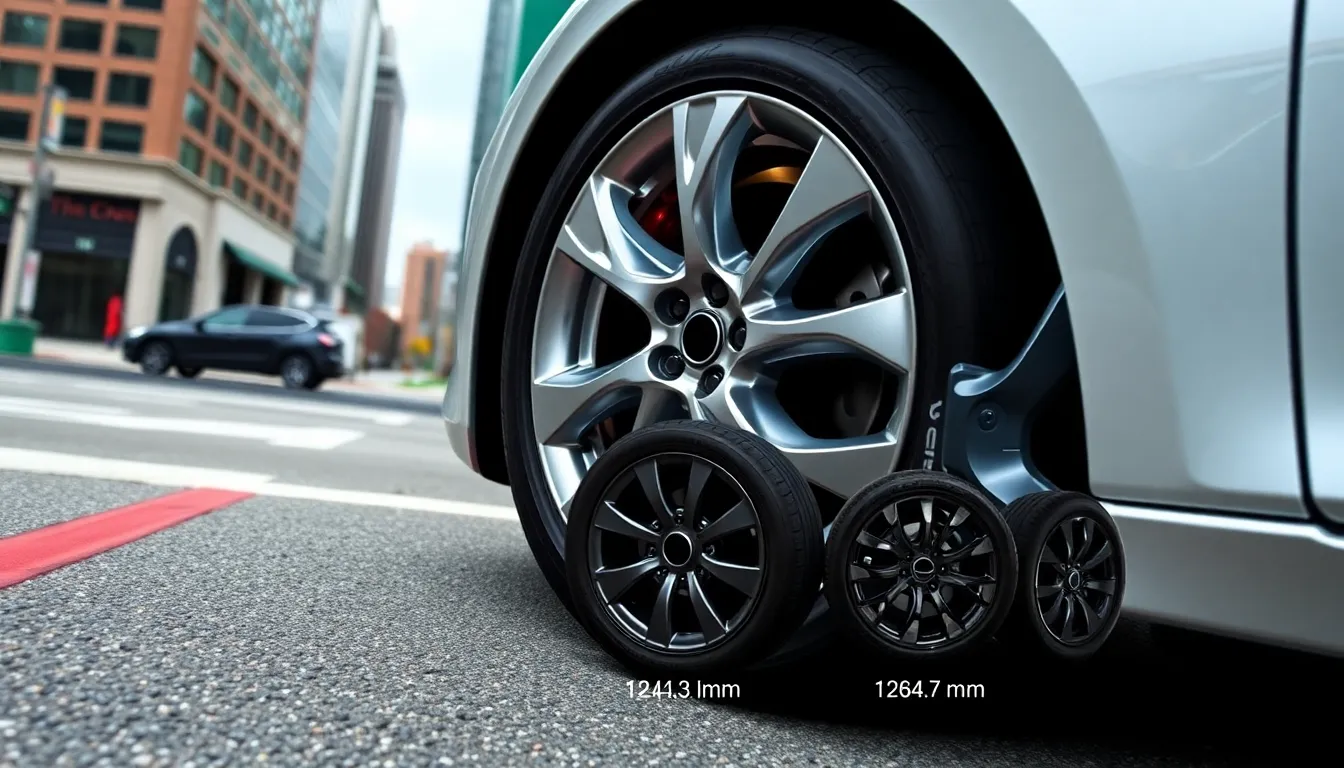
Different wheel sizes create measurable changes in your Mazda 3’s driving dynamics while maintaining the standard 5×114.3 mm bolt pattern across all generations. Larger wheel diameters paired with wider tires enhance traction and cornering stability but increase unsprung weight and reduce ride comfort. Smaller wheel diameters with higher profile tires improve ride comfort and may boost acceleration due to reduced rotational mass.
| Wheel Size | Performance Benefits | Performance Trade-offs |
|---|---|---|
| 16-17 inches | Better ride comfort, improved acceleration, lower cost | Reduced cornering precision, less traction |
| 18-19 inches | Enhanced handling, better cornering stability | Increased road noise, higher replacement costs |
| 20+ inches | Maximum traction, superior cornering response | Important comfort reduction, highest unsprung weight |
Handling characteristics change significantly with wheel diameter modifications on your Mazda 3. Wider tires on larger wheels provide increased contact patches that improve grip during cornering and braking scenarios. Higher profile tires on smaller wheels absorb road imperfections more effectively but compromise high-speed stability and precise steering response.
Unsprung weight considerations affect your Mazda 3’s suspension performance directly. Heavier wheel and tire combinations require more energy to accelerate and decelerate, reducing overall efficiency. Lighter combinations allow suspension components to respond more quickly to road surface changes, improving vehicle control and ride quality.
Load ratings and speed ratings must match or exceed your Mazda 3’s original equipment specifications regardless of size changes. Overall tire diameter affects speedometer accuracy and requires careful calculation to maintain proper readings. Suspension geometry remains optimal when total wheel and tire diameter stays within manufacturer recommended ranges.
Safety systems including ABS and traction control rely on consistent wheel speed sensor readings that larger diameter changes can affect. Braking performance may improve with larger wheels due to increased brake rotor clearance options but can suffer with excessive unsprung weight increases. Manufacturer specifications provide the safest guidelines for wheel modifications while preserving your Mazda 3’s engineered performance characteristics.
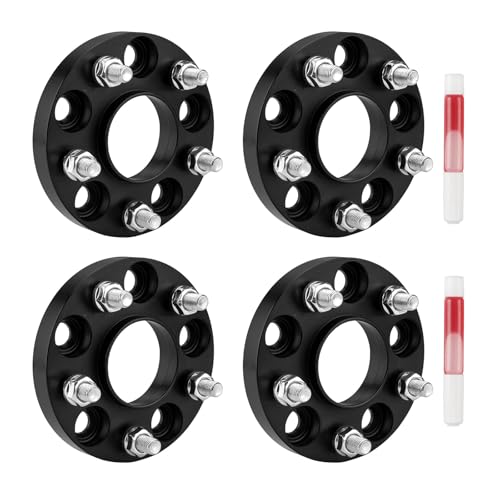
【Fitment】for ALL For: 2005-2025 Tucson;2006-2019 Sonata;2004-2025 3;2001-2012 Escape;2013-2022 CX-5;1980-2005 Civic;2001-2023 Santa Fe;2006-2012 Fusion;2017-2025 Sportage, Soul;2007-2015 Elantra;2007-2019 Fit;2000-2019 Accent;2007-2017 Patriot, Compass;2017-2020 Elantra;2013-2018 Santa Fe Sport;2019-2025 Sorento;2010-2015 Soul, Forte;2003-2019 6;2011-2015 Sorento;1995-2004 Tacoma;2001-2019 Rio;1980-1995 Pickup;2005-2010 Cobalt;2016-2020 Optima

【5 Lug Wheel Spacers】for ALL For: 2006-2019 Sonata;2005-2025 Tucson;2001-2012 Escape;2013-2022 CX-5;1980-2005 Civic;2004-2018 3;2001-2023 Santa Fe;2006-2012 Fusion;2007-2015 Elantra;2007-2019 Fit;2017-2025 Sportage;2000-2019 Accent;2007-2017 Patriot, Compass;2017-2020 Elantra;2013-2018 Santa Fe Sport;2010-2015 Soul, Forte;2003-2019 6;2011-2015 Sorento;2019-2025 Sorento;2001-2019 Rio;2005-2010 Cobalt;2016-2020 Optima;2006-2013 Optima;2013-2019 Spark;2008-2014 Avenger

Compatible with 2003-2016 Mitsubishi Lancer (Evo & Ralliart); 1995-2012 Eclipse; 2004-2016 Outlander; 2004-2011 Endeavor; 5x114.3 bolt pattern; 67.1mm hub bore
Cost Considerations for Wheel Upgrades

The 5×114.3mm bolt pattern on our Mazda 3 creates important cost advantages when upgrading wheels. This widely adopted configuration appears across Japanese and American vehicles, creating abundant supply in the aftermarket wheel market. Higher availability typically translates to more competitive pricing compared to vehicles with rare bolt patterns.
New vs. Used Wheel Options
Fresh aftermarket wheels provide warranty protection and complete selection access but command premium pricing. Used wheels offer substantial savings yet require thorough inspection for damage, wear patterns, and structural integrity. We recommend examining used wheels for cracks, bends, and previous repair work before purchase.
Material Impact on Pricing
Alloy wheels deliver superior performance through reduced weight and improved heat dissipation while commanding higher prices than steel alternatives. Steel wheels cost less initially but add unsprung weight that affects handling and fuel efficiency. Forged alloy wheels represent the premium tier with exceptional strength-to-weight ratios and corresponding price points.
Wheel Diameter Effects
Larger diameter wheels increase costs through multiple factors including wheel price, tire compatibility, and installation complexity. Standard 16-inch wheels typically cost $150-400 each while 19-inch options range from $300-800 per wheel. Bigger wheels require low-profile tires that cost 20-40% more than standard tire profiles.
Installation and Professional Services
Professional mounting and balancing adds $80-150 to total upgrade costs but ensures proper fitment and safety compliance. Tire pressure monitoring system (TPMS) sensors require programming that adds $100-200 to installation expenses. Hub-centric rings cost $20-40 when center bore diameters don’t match precisely.
| Cost Factor | Budget Range | Premium Range |
|---|---|---|
| Aftermarket Wheels (set of 4) | $400-800 | $1,200-3,200 |
| Tires (set of 4) | $300-600 | $800-1,600 |
| Installation & Balancing | $80-150 | $150-250 |
| TPMS Programming | $100-150 | $150-200 |
Specification Matching Requirements
Proper offset specifications prevent clearance issues that create additional costs for spacers or modifications. Our Mazda 3’s standard offset ranges from +45mm to +55mm depending on generation and trim level. Wheels outside these parameters may require $50-150 worth of spacers or adapters for proper fitment.
Center bore compatibility eliminates vibration issues without requiring hub-centric rings. The Mazda 3’s 67.1mm center bore matches many aftermarket wheels directly, avoiding additional hardware costs. Mismatched specifications can lead to costly returns, restocking fees, and delayed installations that affect overall project budgets.

Compatibility: Compatible with Infiniti 2008-2012 EX35, 2013 EX37, 2003-2012 FX35, 2003-2008 FX45; Compatible with Nissan 1987-1996 300ZX, 2009-2021 370Z. For more models, please check the product picture, thank you!

Compatible with Toyota Tacoma Pickup Year 1995-2021

【Universal Fitment】5x100 to 5x114.3 Wheel Adapters Spacers 1 inch Fit for Subaru Forester 1998-2014, for Subaru Impreza 2008-2014, for Subaru Legacy 2005-2014, for Subaru Outback 2005-2014, for Subaru BRZ 2013-2020, for Toyota 86 2017-2019, for Saab 9-2X 2005-2006, for Subaru XV Crosstrek 2013-2014.
Conclusion
Understanding your Mazda 3’s bolt pattern is the foundation for successful wheel upgrades. We’ve covered everything from basic measurements to performance impacts and cost considerations to help you make informed decisions.
The consistent 5×114.3mm specification across all generations makes wheel selection straightforward once you know the fundamentals. Remember that proper fitment goes beyond just bolt pattern – offset center bore and load ratings all play crucial roles in safety and performance.
Whether you’re looking for enhanced aesthetics or improved handling we recommend taking your time with research and measurements. Professional consultation can save you money and ensure optimal results for your exact Mazda 3 model and driving needs.

Custom Fit 5 Lug Wheel Spacers: The spacers for car---compatible with Ford, Hyundai, Kia, Mazda, Jeep, Mitsubishi, Dodge & Lincoln Models: 2001-2012 Escape|2006-2012 Fusion|fits 2007-2022 Elantra|2010-2022 Soul|2006-2020 Optima (For 2006 fits MG bodycode)|2009/2011-2024 Sorento|2001-2023 Santa Fe|2013-2024 CX-5|2004-2022 3|2010-2022 Forte|2007-2016 Compass|fits 2007-2022 Sportage|2003-2022 Outlander|2005-2024 Tucson| and more; For full models refer to the amazon garage tool or our picture
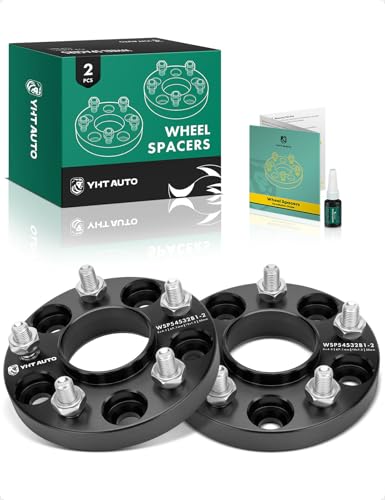
Installation with Confidence: 20mm wheel spacers| Bolt Pattern: 5x4.5" (5x114.3mm)| Hub Bore: 67.1mm| Threaded Studs/Nuts: M12x1.5| Recommended torque: 85-90 FT/LBS (Vibration can be avoided by simply following the recommended torque for installation, keeping the wheel adapters & spacers tight against the hub and Clean the rust of wheel and hub surfaces)
StanceMagic Universal Wheel Spacers for 5-lug vehicles. Compatible with vehicles with these bolt patterns: 5x100, 5x10⁸, 5x110, 5x112, 5x114.3 (5x4.5"), 5x115 (5x4.53"), 5x120, 5x120.7 (5x4.75"). Vehicle hub bore must be smaller than 73.1mm. Check that your studs/bolts are the correct length to ensure safe nut/bolt thread engagement. NOTE: For proper installation you may need aftermarket Extended Lug Bolts or Extended Wheel Studs (NOTE: NOT INCLUDED with this listing).
Frequently Asked Questions

【Benefits】Wheel spacers are designed to move the wheel further out from the hub, give your vehicle a more aggressive stance, allow for better handling characteristics & increases driving stability; Mount larger wheel or tires, eliminate wheel/tire rubbing instantly.

➤KAX Bolt On Wheel Spacers Parameter : Vehicle & Wheels Bolt Pattern Must Be 4x100mm || 1 inch(25mm) Thick || M12x1.5 Threaded Studs/Nuts || 54.1mm Center Bore with lip || Recommended torque: 70-80 ft/lbs. Package includes 2Pcs wheel spacers, 10.9 class split nuts and professional instruction manual
Hubcentric Wheel Spacers - Fits vehicles with 5/114.3 (5/4.5") bolt pattern and 60.1mm Centerbore. Compatible with Scion 2011-2016 tC, 2008-2015 xB. Compatible with Toyota Avalon, Camry, RAV4, MR2, Solara, Supra, Tacoma. Compatible with Lexus ES300h ES330 ES350 GS300 GS350 GS400 GS430 IS250 IS300 IS300 IS350. Also compatible with Lexus LS400 LS430 NX200t NX300 NX300h SC300 SC400 SC430. Check Year/Make/Model in Description. Check Year/Make/Model in Description.
What is the bolt pattern for a Mazda 3?
The Mazda 3 has a consistent 5×114.3mm bolt pattern across all generations (2004-present). This means it has 5 lug bolts arranged in a circle with a diameter of 114.3mm. The thread pitch is M12 x 1.5, and the center bore is 67.1mm. This standardization makes wheel selection easier across different model years.
How do I measure my Mazda 3’s bolt pattern?
You can measure the bolt pattern using three methods: check your vehicle manual or door sticker, manually measure between lug holes after removing a wheel, or use a bolt pattern gauge for accuracy. For 5-bolt patterns, measure from the center of one bolt hole to the center of the bolt hole directly across from it.
Can I use wheels from other car brands on my Mazda 3?
Yes, the 5×114.3mm bolt pattern is shared with many vehicles from other manufacturers, expanding your wheel options significantly. However, you must also verify the center bore (67.1mm), offset, and load rating match your Mazda 3’s specifications. Always consult with wheel specialists to ensure complete compatibility.
What happens if I use the wrong bolt pattern?
Using an incorrect bolt pattern creates serious safety risks including wheel wobbling, improper lug nut securing, and potential wheel detachment. It can damage wheel studs and hubs, leading to costly repairs. Mismatched patterns also cause poor alignment, affecting vehicle handling and accelerating tire wear.
What wheel sizes work best for the Mazda 3?
While maintaining the 5×114.3mm bolt pattern, recommended aftermarket wheel sizes vary by generation: 18-20 inches for third generation (2014-2018) and 17-19 inches for fourth generation (2019-present). Larger wheels improve handling but may reduce ride comfort, while smaller wheels enhance comfort and acceleration.
How much do aftermarket wheels cost for a Mazda 3?
Aftermarket wheels typically range from $100-800 per wheel, depending on material and brand. Steel wheels are most affordable, while forged alloy wheels command premium prices. Add $400-1,200 for tires and $100-300 for professional installation. The common 5×114.3mm pattern offers competitive pricing due to widespread availability.
Do I need professional installation for new wheels?
Professional installation is highly recommended to ensure safety and proper torque specifications. While DIY installation is possible with proper tools (jack, lug wrench, torque wrench), professionals guarantee correct mounting and can verify compatibility. Always recheck lug nut torque after the first 50-100 miles of driving.